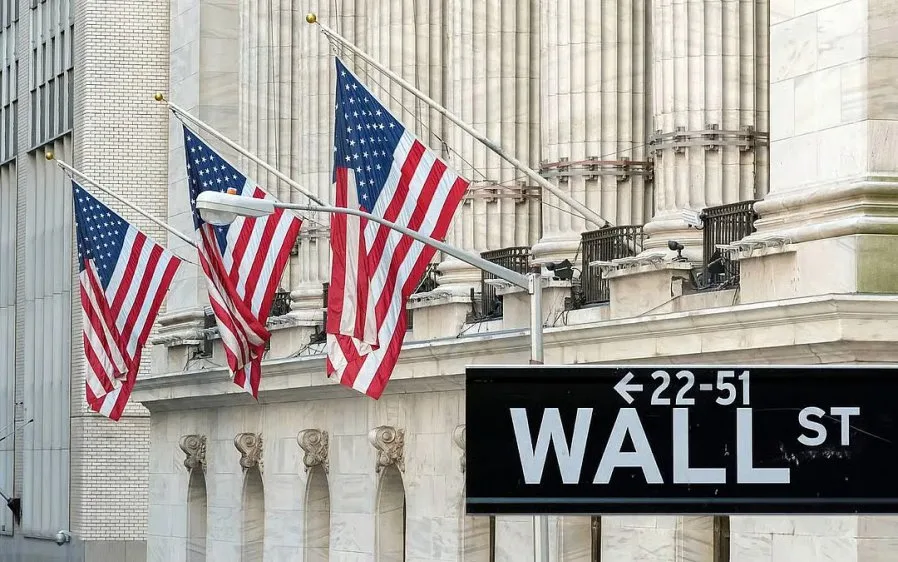
The Wall Street Journal published its inaugural "Best Companies for the Future" list on June 7, ranking S&P 500 firms on 30 indicators across six domains, including AI readiness, innovation, talent preparedness, financial health, supply chain resilience, geopolitical risks, and corporate agility [1, 2, 3].
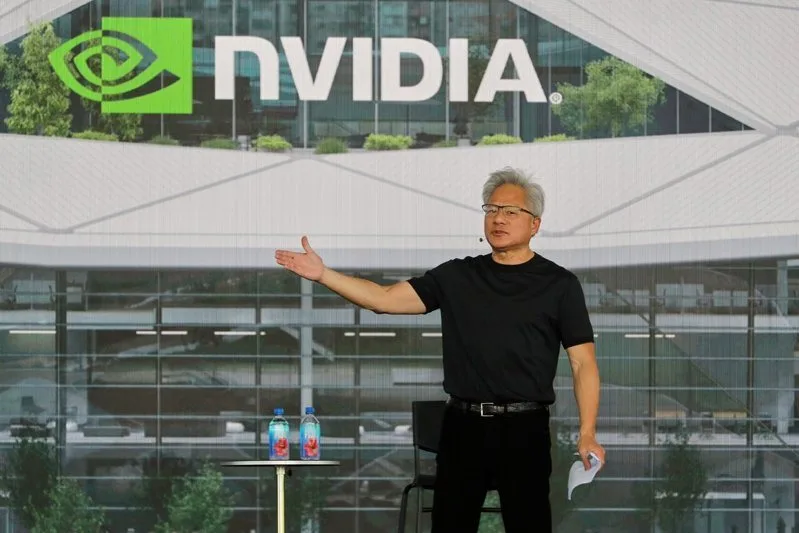
Nvidia secured first place, leading for AI readiness, innovation, and financial strength. CEO Jensen Huang’s early AI infrastructure investments significantly contributed to Nvidia’s top spot and his personal net worth exceeding $160 billion [1, 4, 5]. Nvidia’s stock has surged over 3,000% since 2020 [4, 5].
The top five companies following Nvidia are Alphabet, Microsoft, Meta, and Cisco, all scoring highly in AI adoption and innovation [1, 6]. Ranks six through ten include Salesforce, Mastercard, Amazon, Adobe, and Intuit [1, 6].
Apple placed 12th, mainly due to a low AI readiness ranking of 56th, trailing other tech giants in AI investment, acquisitions, and partnerships [1, 2, 6]. Kelly Tang, chief data scientist at Bendable Labs, noted larger companies generally score better because "market valuations already reflect future potential for these companies" [3].
Semiconductor peer AMD ranked 16th overall and second among chipmakers, performing well in corporate agility, innovation, and AI readiness [1, 6]. Broadcom lagged at 110th despite benefiting from AI chip demand, hindered by weak scores in AI readiness, talent, and supply chain resilience [1, 6].
Approximately one-third of the top 100 are technology firms, with 18 of the top 25 Companies in the sector. Non-tech leaders in the top 25 include Mastercard, S&P Global, Visa, Johnson & Johnson, and Eli Lilly [1, 2].
The ranking draws on data from 20 providers using 30 measures to assess companies' future preparedness, with one anonymous Bendable Labs co-founder describing it as "a diagnostic tool rather than a predictive one" that evaluates the capacity to navigate rapid change and uncertainty [7].