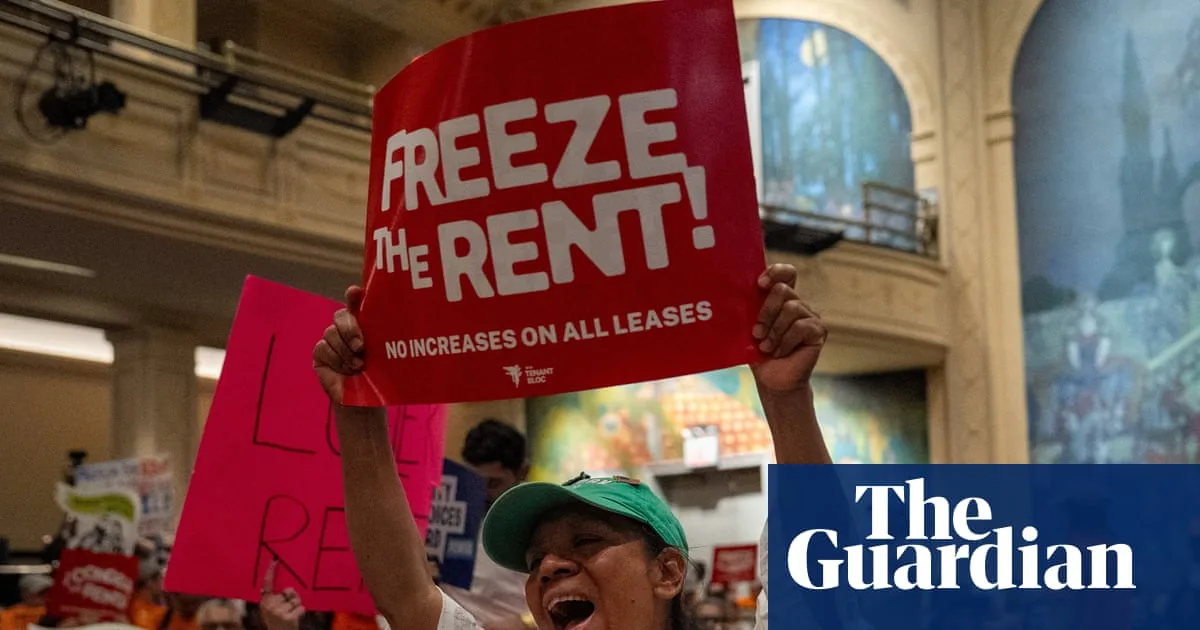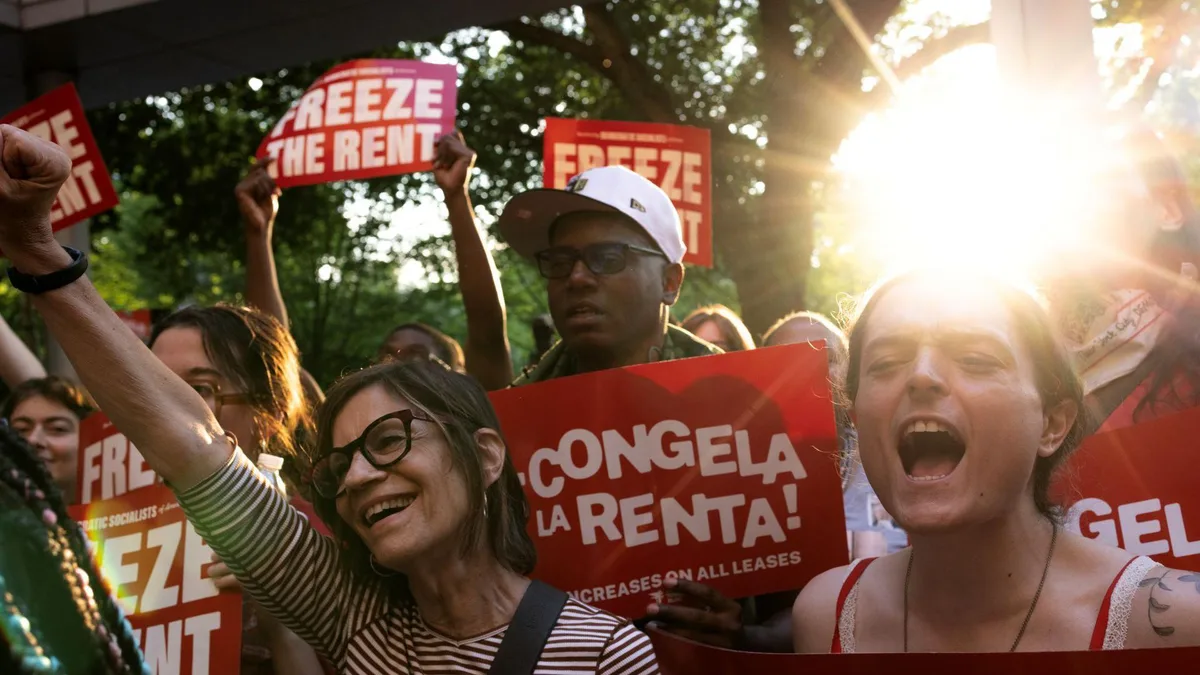
New York City's Rent Guidelines Board voted 7-1 to freeze rent increases on one- and two-year leases for about one million rent-stabilized apartments across all five boroughs. The freeze will take effect October 1, 2026, and last through September 30, 2027 [1, 2, 3, 4].
Rent-stabilized apartments make up roughly 40 to 41 percent of the city’s rental housing stock [2, 3, 4]. The move affects a significant portion of renters, as 43 percent of renter households spend more than 30 percent of their income on rent, and 25 percent spend more than half of their income on rent, according to the 2023 NYC Housing and Vacancy Survey [4]. About 30 percent of rent-stabilized households earn over $100,000 annually, while 27 percent earn $50,000 to $99,999 and 26 percent earn less than $25,000 [4].
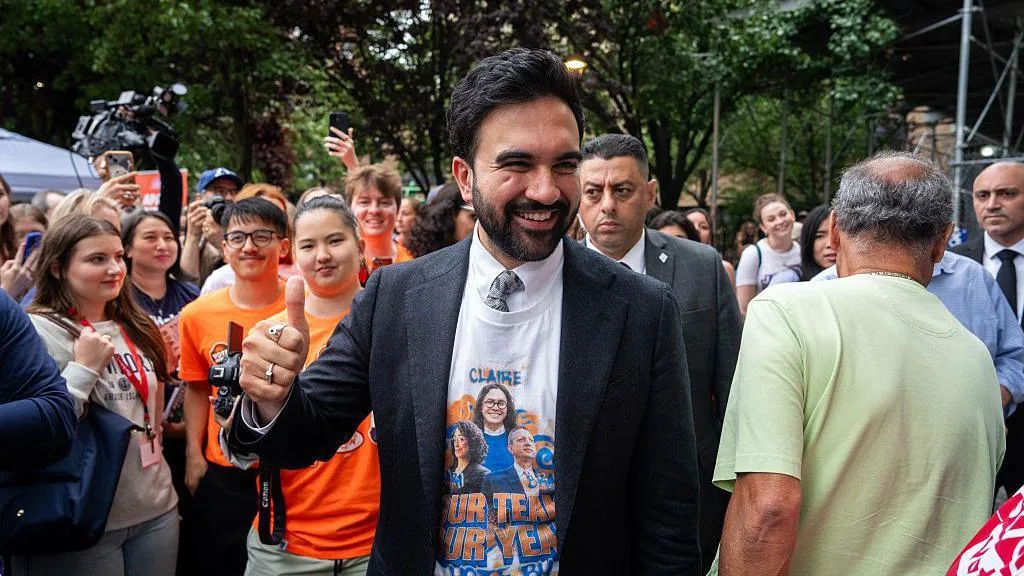
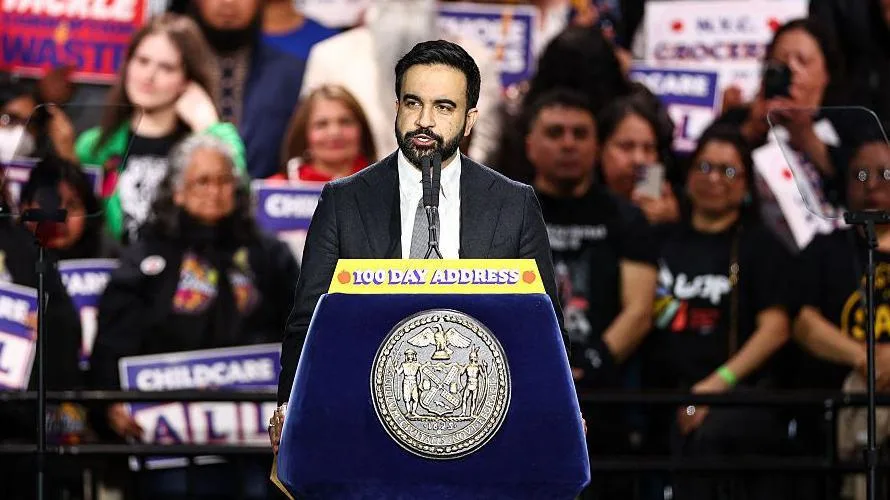
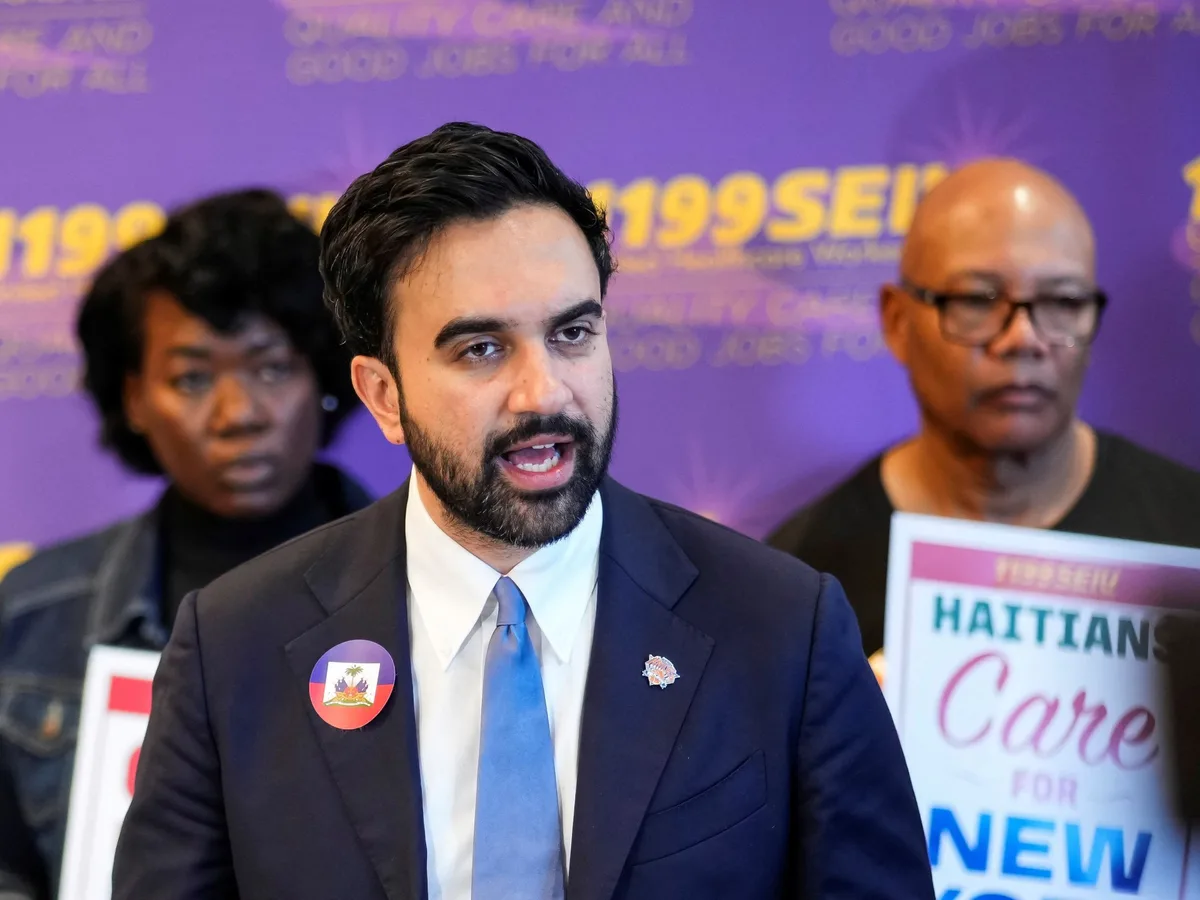
Mayor Zohran Mamdani, who campaigned on the rent freeze proposal, praised the board’s decision as a "historic victory for New York City tenants" and said it offers "relief that working people across our city deserve" [1, 2, 3]. The Rent Guidelines Board has nine members, six appointed by Mamdani including pro-tenant members, and three appointed by former Mayor Eric Adams [1, 2, 3].
One member appointed by Adams, Christina Smyth, resigned the day before the vote, accusing the board of bias and alleging it predetermined the vote in favor of a rent freeze. Smyth said, "The rebuilt board was required to deliver a rent freeze. Everything since has been theater," and claimed the board "stopped being a fact-finding body" and "starts with an answer and vibe codes its way backward to justify it" [1, 2, 3].
Board chair Chantella Mitchell defended the board’s integrity and independence, stating members served thoughtfully and rigorously analyzed data. Mitchell said, "The board's members have served with independence and integrity, and the data reflect an economic environment where most tenants struggle to meet basic affordability thresholds" [1, 2].
Critics, including landlord groups and some former or dissenting board members, warned the rent freeze could reduce landlords’ revenue, leading to fewer resources for maintenance and repair of buildings. James Whelan said older rent-stabilized buildings face rising costs, and ignoring this will "accelerate the deterioration of the housing stock" [1]. Jake Krimmel added, "Frozen revenues against rising costs is a math problem," citing increased insurance, fuel, and property tax expenses [4]. Economist Arpit Gupta warned that the freeze puts strain on the housing market, saying, "The city's housing market is effectively breathing with only one lung. That pressure drives up market-rate rents" [4].
The rent freeze will apply to leases signed on or after October 1, 2026, and remain in effect through September 30, 2027 [1, 2, 4].