US and Iran declared on June 15 that they have reached a peace agreement to end their conflict and reopen the Strait of Hormuz to international shipping [1, 2]. The deal ends military operations, including in Lebanon, and includes the US lifting oil sanctions on Iran [1, 2].
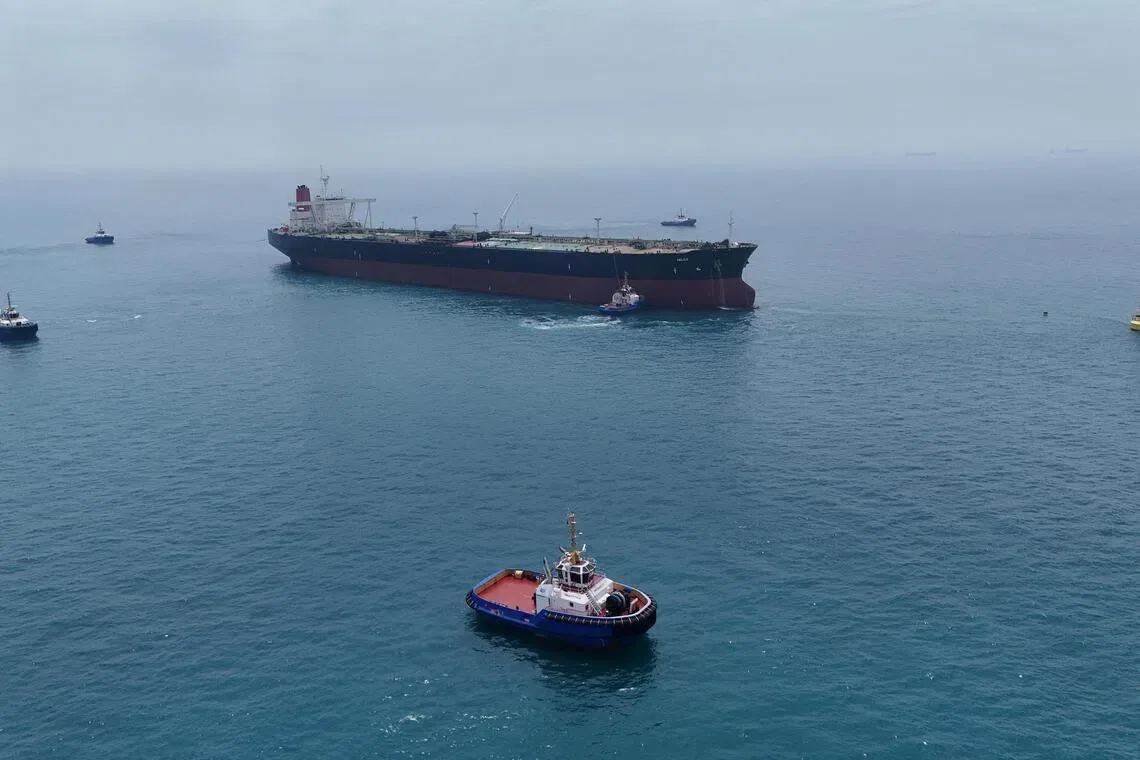
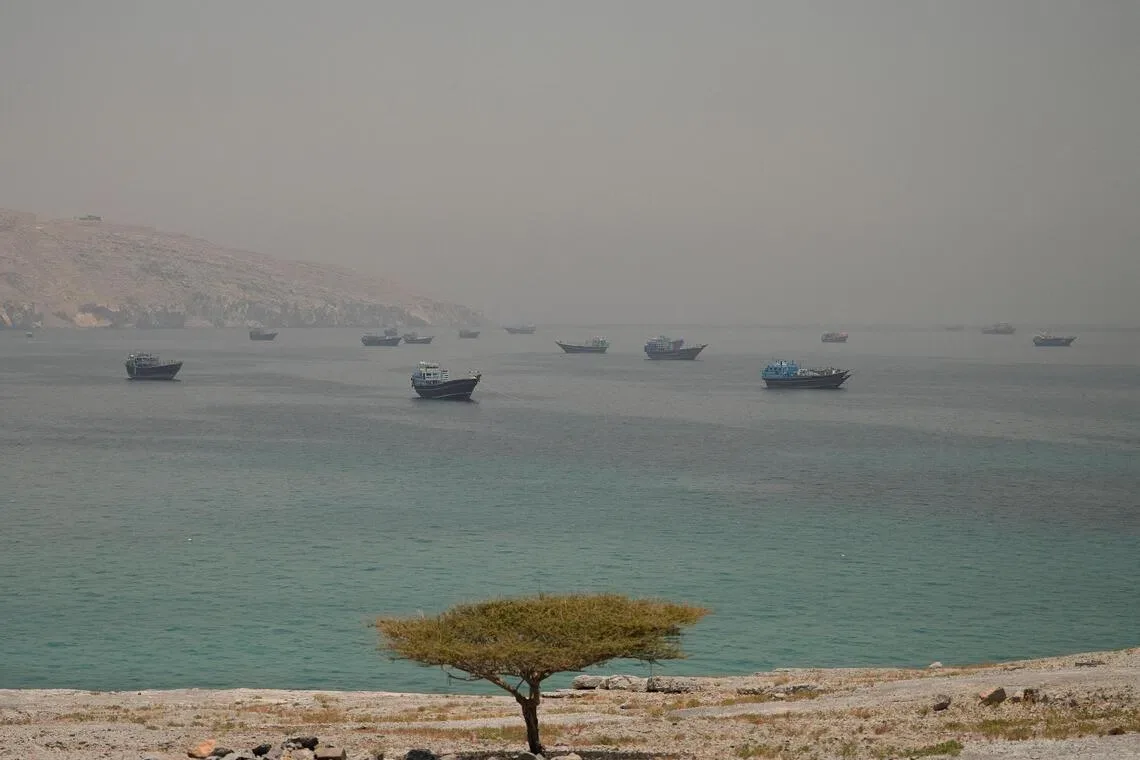
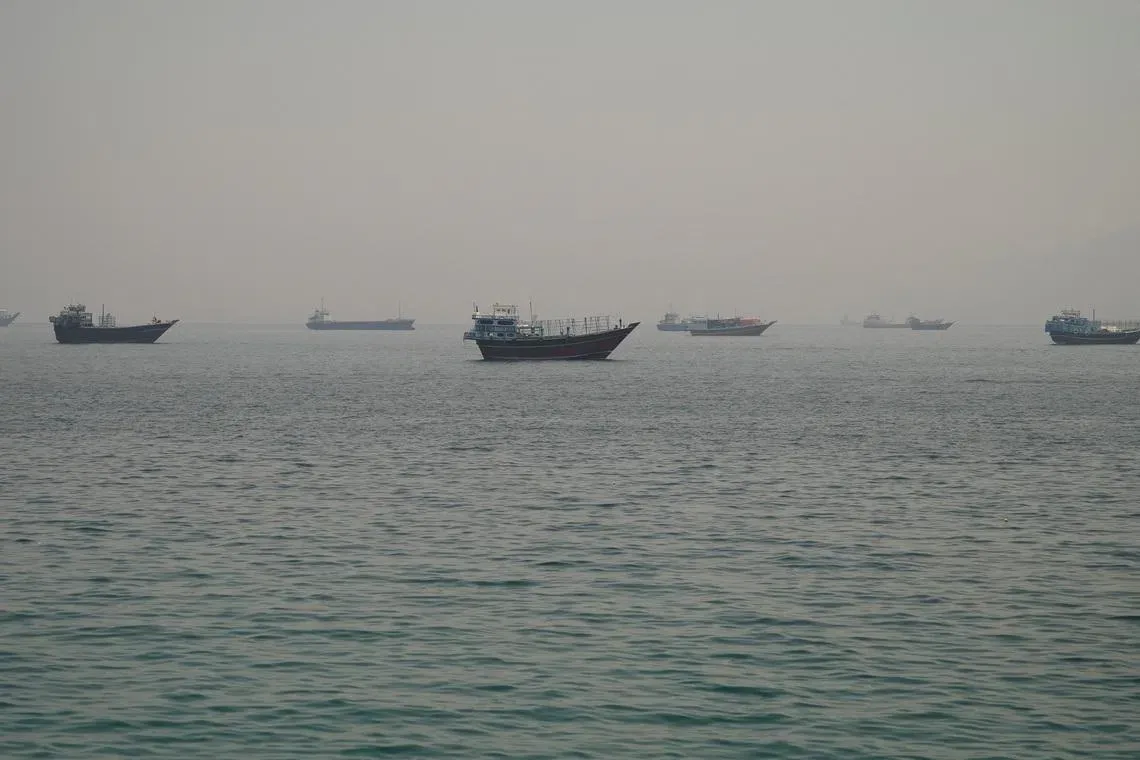
The Strait of Hormuz had been largely blocked since US and Israeli strikes on Iran in late February, cutting about 20% of global oil and liquefied natural gas supplies [3, 4, 5]. Despite the ongoing war, US Energy Secretary Chris Wright reported on June 9 that oil exports through the strait and the Gulf have risen "very meaningfully" and continue to increase [3].
US President Donald Trump announced on June 11 and 13 that a peace deal would be signed imminently, expected on June 14, with the Strait reopening immediately after. Trump said, "We just made a great settlement of the war with Iran. The strait will officially open as soon as we sign, which could be soon, very soon, maybe over the weekend in Europe" [6, 7, 8]. He added on June 15, "Ships of the World, start your engines. Let the oil flow!" [1].
Iran expressed some uncertainty about the exact signing date, with officials warning the deal might not be signed precisely on June 14 or 15 [7, 9, 8, 10]. Pakistani leaders indicated that the peace deal would be electronically signed on June 14 and followed by a formal ceremony on June 19 in Switzerland [7, 8, 1, 2]. Pakistani Prime Minister Shehbaz Sharif said, "With finalisation likely expected in the next 24 hours, Pakistan is preparing for the electronic signing of the peace deal immediately after, followed by technical level talks next week" [8].
Iran demanded economic relief measures including unfreezing of funds and US troop withdrawals, while insisting on maintaining some control over the strait [7, 11]. Iran’s Deputy Foreign Minister Kazem Gharibabadi said, "An agreement has been reached, and the text of the memorandum will be published after the signing" [1].
Global Brent and WTI crude oil prices fell more than 4% on June 15 after the peace deal announcement as markets factored in stabilized supply outlook [1, 2]. Despite skirmishes since an April ceasefire, optimism over the deal has influenced markets [5, 12].
President Trump warned that the US retains an "ultimate alternative" if the peace agreement fails but hopes it will never be used [9, 8]. The official signing ceremony of the US-Iran peace deal is scheduled in Switzerland for June 19 [1, 2].