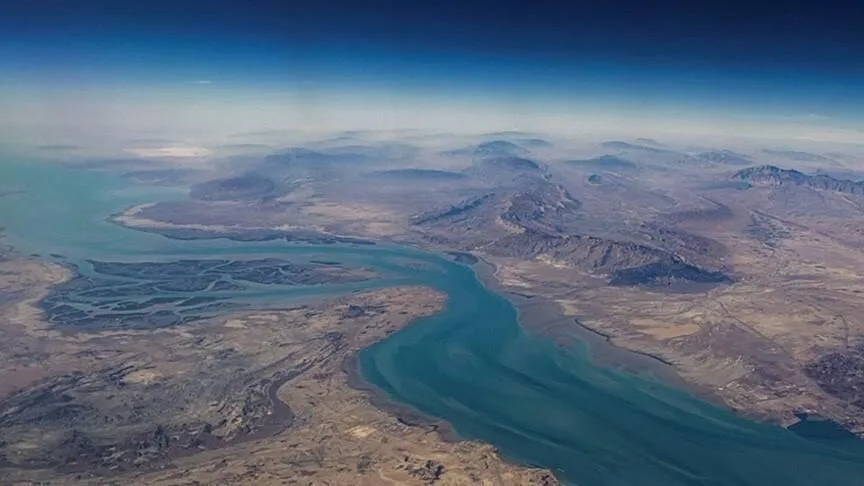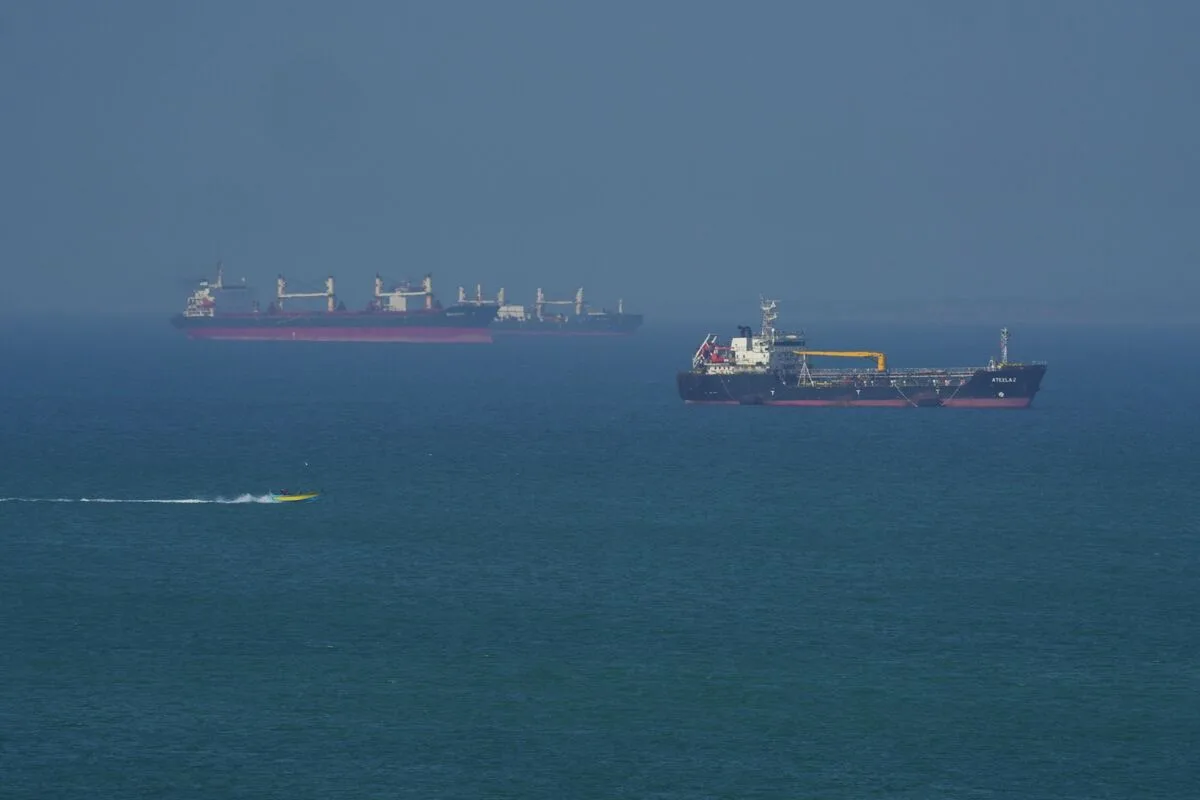
Oil transit through the Strait of Hormuz fell sharply to 14.6 million barrels per day in the first quarter of 2026, down nearly 30% from 20.7 million barrels per day in the fourth quarter of 2025 and 20.4 million barrels per day in the first quarter of 2025 [1, 2].
Crude oil and condensate flows declined from 15.2 million barrels per day in Q4 2025 to 10.7 million barrels per day in Q1 2026 [2]. Petroleum product flows also dropped to 3.9 million barrels per day from 5.5 million barrels per day during the same period [2]. Liquefied natural gas shipments through the strait fell to 7.3 billion cubic feet per day from 10.1 billion in the prior quarter [2].
Ship-tracking data for vessels transiting Hormuz have been especially unreliable since the end of February 2026, leading to frequent revisions in 2026 volume estimates [2].
As flows through Hormuz declined, oil volumes transported through alternative routes rose. Oil flow through the Bab el-Mandeb Strait increased slightly to 5.4 million barrels per day in Q1 2026 from 5.2 million in Q4 2025 [2]. Likewise, oil flow through the Panama Canal rose to 2.9 million barrels per day from 2.8 million barrels per day in the previous quarter [2].
The next comprehensive flow data report is expected with the release of Q2 2026 shipment figures.