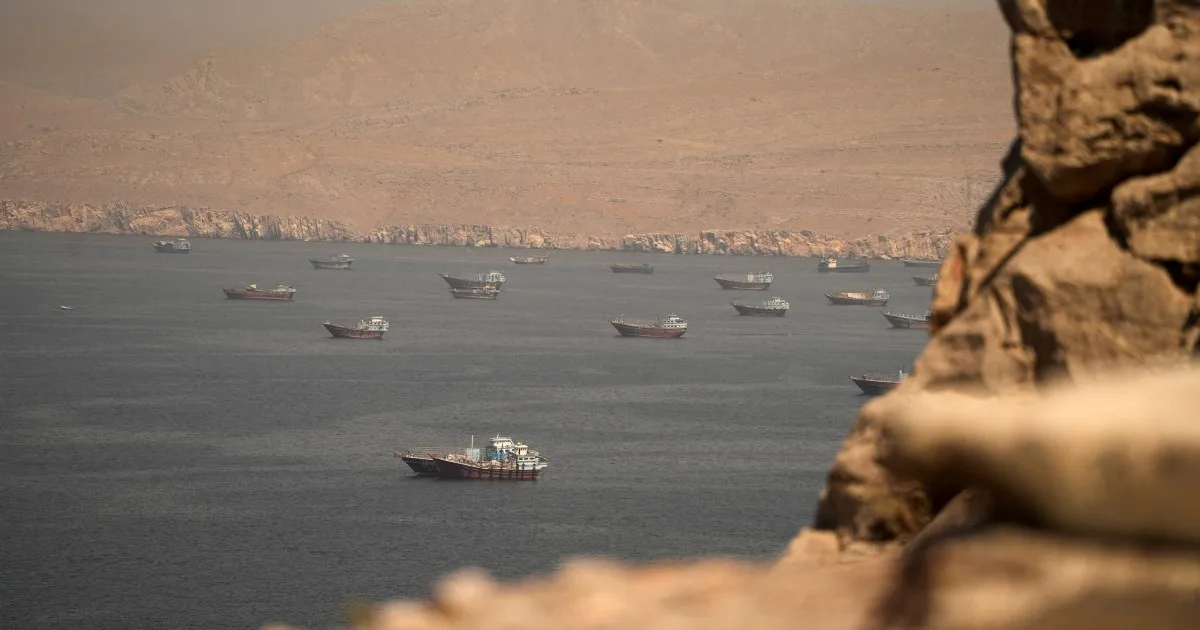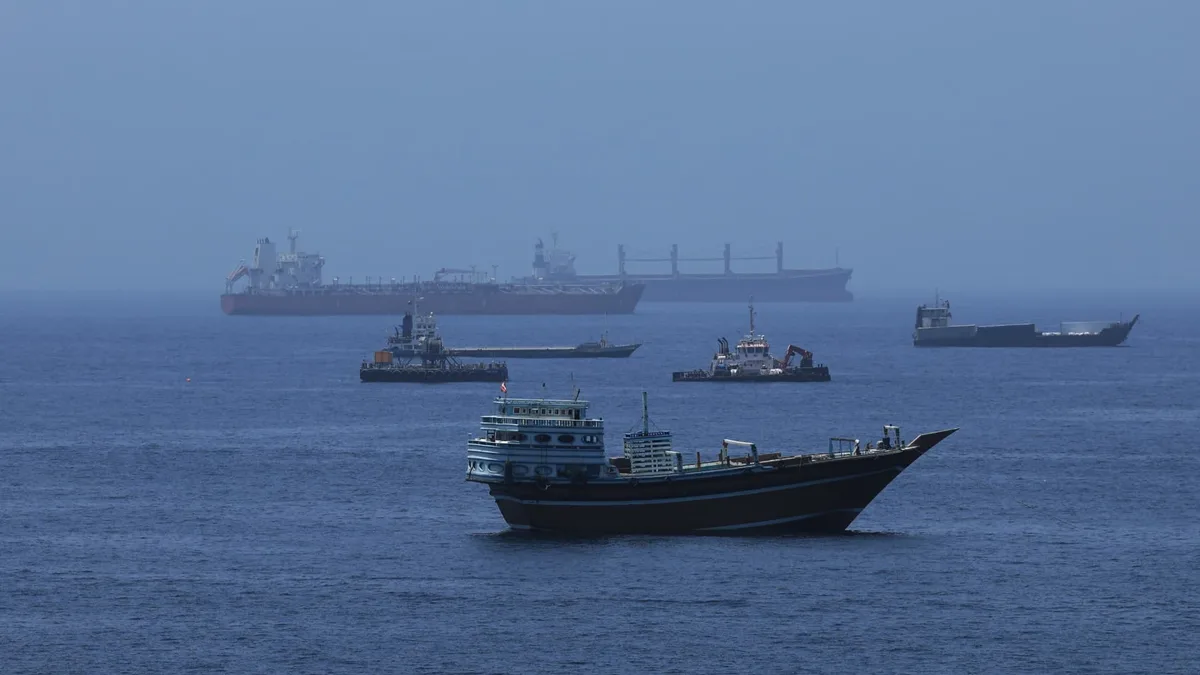
Oil prices dropped significantly in June and early July 2026, reaching levels unseen since before the US-Israel war on Iran began [1, 2, 3, 4, 5, 6, 7]. Brent crude futures fell around 20-21% in June, sliding from above $90 to the low $70s per barrel, while US West Texas Intermediate (WTI) futures declined about 19-20%, reaching the mid-to-high $60s per barrel by early July [1, 2, 3, 4, 5, 6, 7].
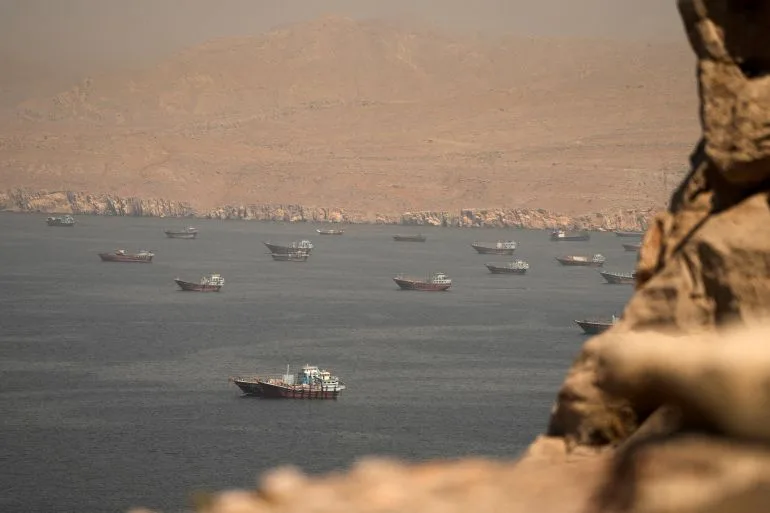
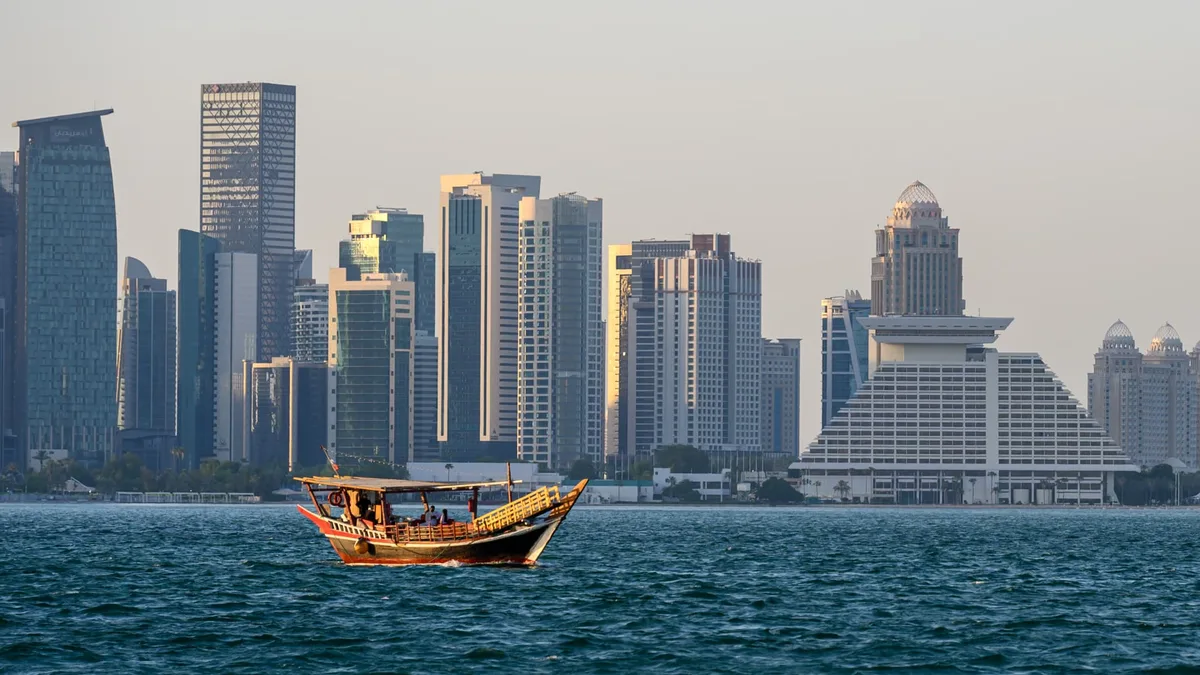
The price declines followed renewed indirect talks between the US and Iran held in Doha, Qatar. The goal was to continue a ceasefire and address disruptions to oil shipping through the Strait of Hormuz, a key chokepoint handling about 20% of the world's oil traffic in peacetime [1, 2, 3, 4, 5, 6, 7]. On June 17, the US and Iran signed a 14-point memorandum of understanding establishing a pause in fighting to ease interruptions in the Strait [1, 2, 3, 5].
There were mixed signals on the progress and scheduling of US-Iran meetings. President Donald Trump said talks were "going well" and praised the denuclearization process, while Iranian officials denied scheduled direct meetings with the US and said terms still needed agreement [1, 2, 3, 4]. Indirect negotiations took place via Qatari mediators, with US special envoys Jared Kushner and Steve Witkoff representing Washington [2, 4, 5, 7]. Qatar announced "positive progress" in talks related to the memorandum but no breakthrough on lasting peace was reached [5, 6, 7].
Oil tanker traffic through the Strait showed signs of recovery, rising from about 22 vessels daily to at least 40 by early July 2026 [2, 6]. US crude inventories fell 3.8 million barrels to 408.4 million barrels in the week ending June 28, the lowest level since September 2018 [3]. Analysts cite the increased supply through the Strait and easing geopolitical tensions as factors in cutting price forecasts for late 2026 and 2027 [3, 5, 6]. A Haitong Futures analyst said, "As the strait stays open and crude oil flows out, there are growing expectations of oversupply, and competition for market share is pushing prices down" [5].
Despite the easing tensions, Iran’s Deputy Foreign Minister criticized US-led regional security talks and emphasized Tehran’s control over the Strait's future status [7]. Vandana Hari, founder of Vanda Insights, noted, "Several key issues in the MoU remain unresolved, but the two sides appear to have backed off confrontation on the issue of the interim Hormuz transit regime, at least for the time being" [6].
The next US-Iran negotiators’ meeting is scheduled after funeral processions for Iran’s late Supreme Leader Ali Khamenei, set for July 9, 2026 [5, 7].