Oil prices fell more than 5% on May 25, with Brent crude dropping to between $97.28 and $98.22 per barrel, while US West Texas Intermediate slipped below $92 per barrel amid hopes of a US-Iran agreement to reopen the Strait of Hormuz [1, 2, 3]. Asian stock markets rallied on the news, with Japan's Nikkei rising about 3%, Hong Kong's Hang Seng up 0.9%, and Singapore's STI gaining 0.4% as optimism grew about peace talks between the two countries [1, 2, 3].
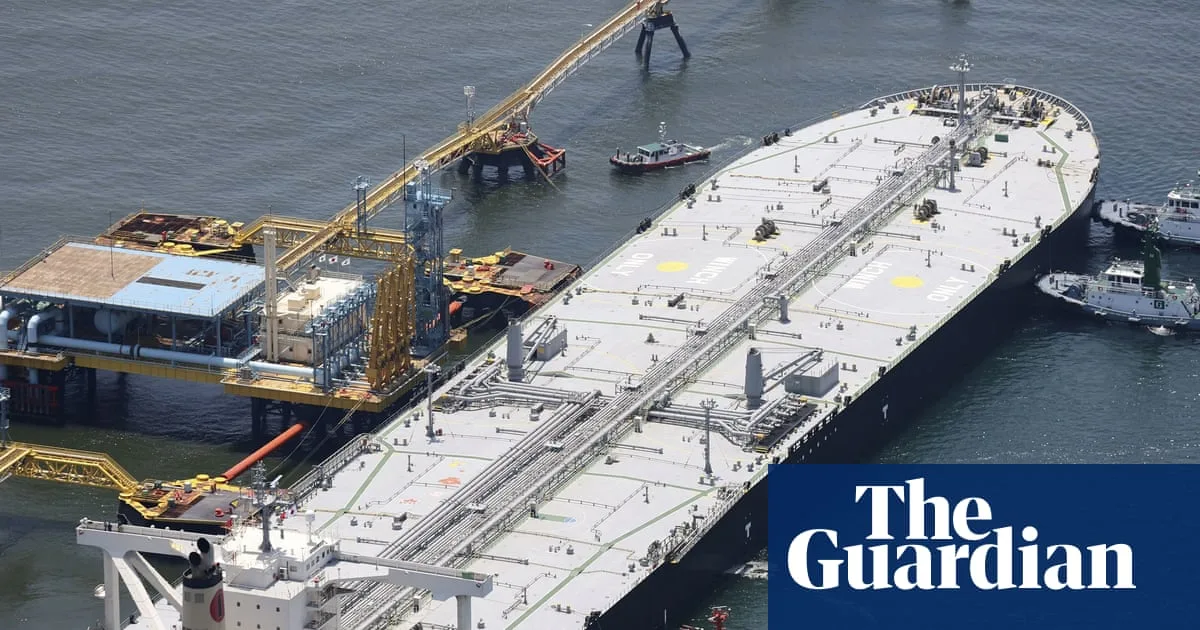
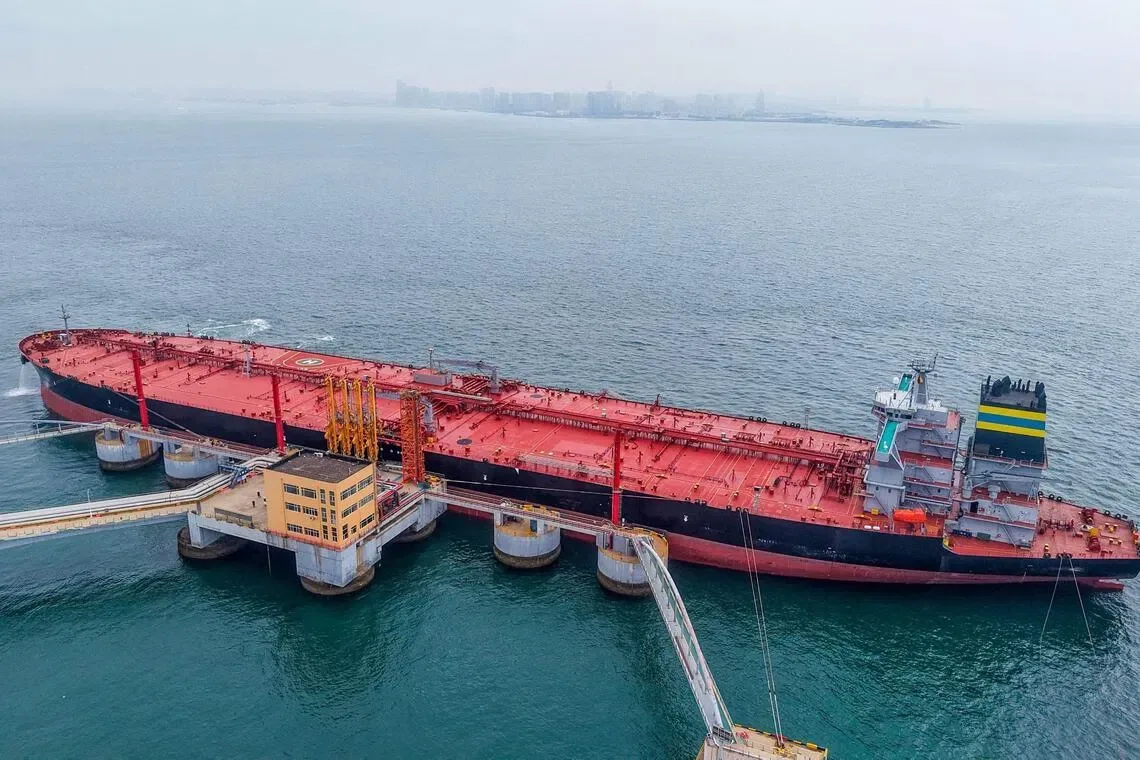
The Strait of Hormuz, a vital maritime chokepoint that handles around one-fifth of the world's oil and liquefied natural gas trade, has effectively been closed since hostilities began on February 28, disrupting an estimated 14 million barrels per day of oil flows and pushing US gasoline prices about $1.50 per gallon above pre-war levels [2, 4, 3]. Several vessels, including oil tankers and container ships, began transiting the Strait on May 25 under authorization from Iran's Islamic Revolutionary Guard Corps Navy [1, 2].
US and Iranian officials are reported to be nearing a final deal to reopen the channel, although key clauses remain under negotiation and final approval could take several more days [1, 2, 3]. US President Donald Trump said the agreement is "largely negotiated" and involves reopening the Strait, but urged patience to ensure there are no mistakes in the details. He also discussed diplomacy efforts with Gulf leaders and the Israeli Prime Minister [1, 3].
Analysts urged caution despite the upbeat market response. Warren Patterson of ING warned, "We've been at this stage before, only for talks to break down. Therefore, the market will likely be more cautious about overreacting" [2]. Tony Sycamore, an IG analyst, noted that financial markets appear to be "giving the reports the benefit of the doubt" [1]. Patrick De Haan of GasBuddy highlighted that gasoline prices are falling but will likely remain above $4 per gallon nationally until the agreement is signed and significant ship transit resumes through the Strait [4].
Despite the reported progress, reopening the Strait and restoring oil flows will take weeks or months due to remaining disagreements, the need to clear mines, evacuate trapped vessels, and repair damaged energy infrastructure [2, 4]. Saudi Arabia and the United Arab Emirates have increased pipeline use to bypass the Strait, but those volumes do not compensate for the roughly 14 million barrels per day normally transported through the waterway [4].
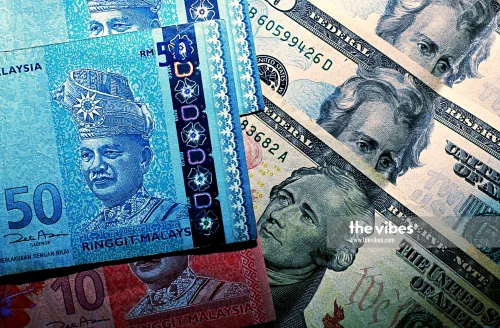
The US dollar weakened and gold prices rose on May 25 in response to expectations of a deal and falling oil prices. Stephen Innes, an independent analyst, said "Treasury [bond] futures rallied, gold climbed and equity futures pushed higher as investors started pricing the possibility that the world’s most dangerous energy choke point may soon reopen to something resembling normal flow" [1, 2].
Negotiations continue this week; final agreement approvals by all parties could take several days to complete before full reopening of the Strait is secured [1, 2].