Oil prices climbed sharply in late July due to escalating conflict between the United States and Iran alongside missile and drone attacks by Iran-backed Houthi militants on Saudi Arabian tankers in the Red Sea [1, 2, 3, 4, 5, 6, 7]. Brent crude rose from $91.42 on July 19 to near $96 by July 22, then surpassed $100 on July 23, reaching levels unseen since early summer [1, 2, 3, 4, 6]. West Texas Intermediate crude climbed above $88 on July 22 and held above $87 on July 23 [2, 6].
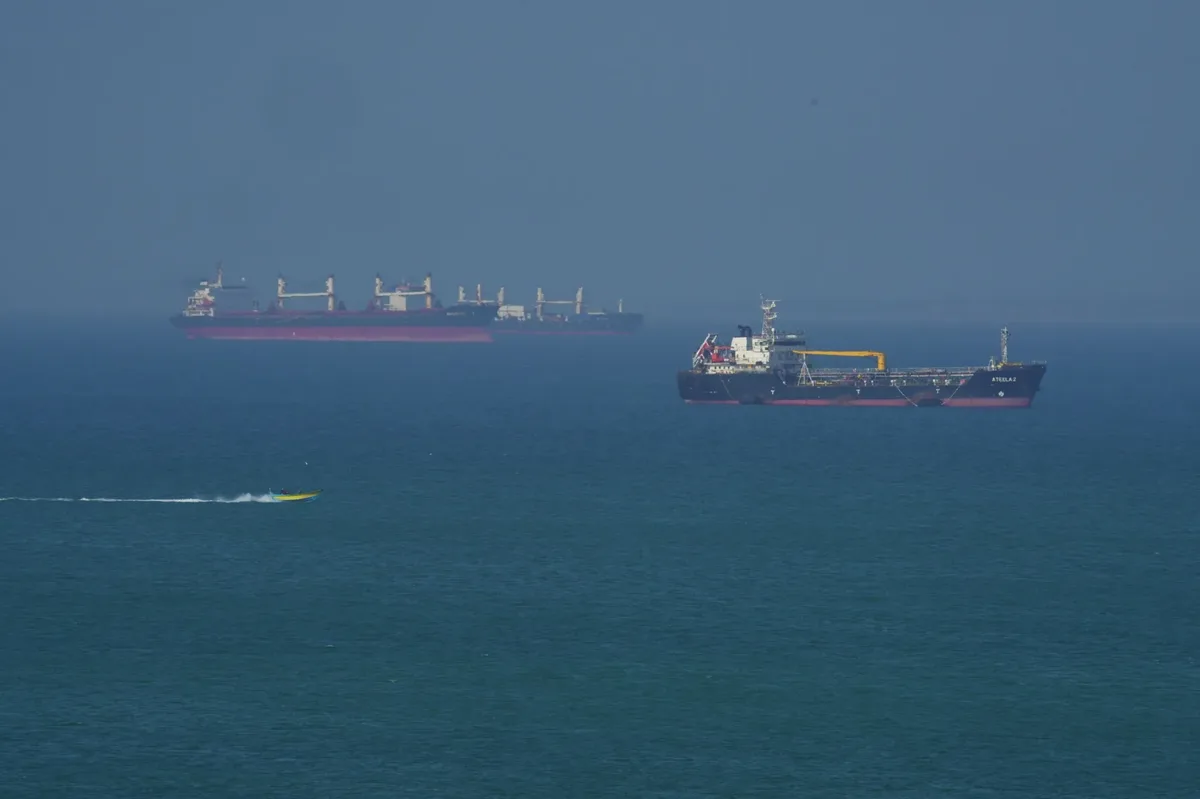
The Houthis targeted two Saudi tankers, Encelia and Layla, with missile and drone strikes, accusing them of violating a naval blockade in the Red Sea [2, 6, 7]. One missile struck Encelia near Saudi Arabia’s Al Shuqaiq port, causing a fire and prompting a distress call; no casualties or environmental damage were reported [6, 7]. The escalating Middle East conflict includes US military strikes on Iranian targets and Iranian retaliation on Kuwaiti infrastructure following failed ceasefire talks [1, 3, 5, 8].
These developments have heightened concerns about the security of key maritime routes such as the Red Sea and Strait of Hormuz, threatening global energy supplies [3, 8, 6, 7]. The rising geopolitical risk and oil prices hit bond markets and rattled global and Asian stock exchanges, particularly technology stocks [1, 5, 9, 10]. Veteran strategist Louis Navellier said, "The Iran situation continues to roil markets. This is holding back the stock gains that should be expected given the strong earnings trends" [9]. Analyst Kyle Rodda warned that "another potential jump in crude prices risks economic activity in the energy insecure region" [5].
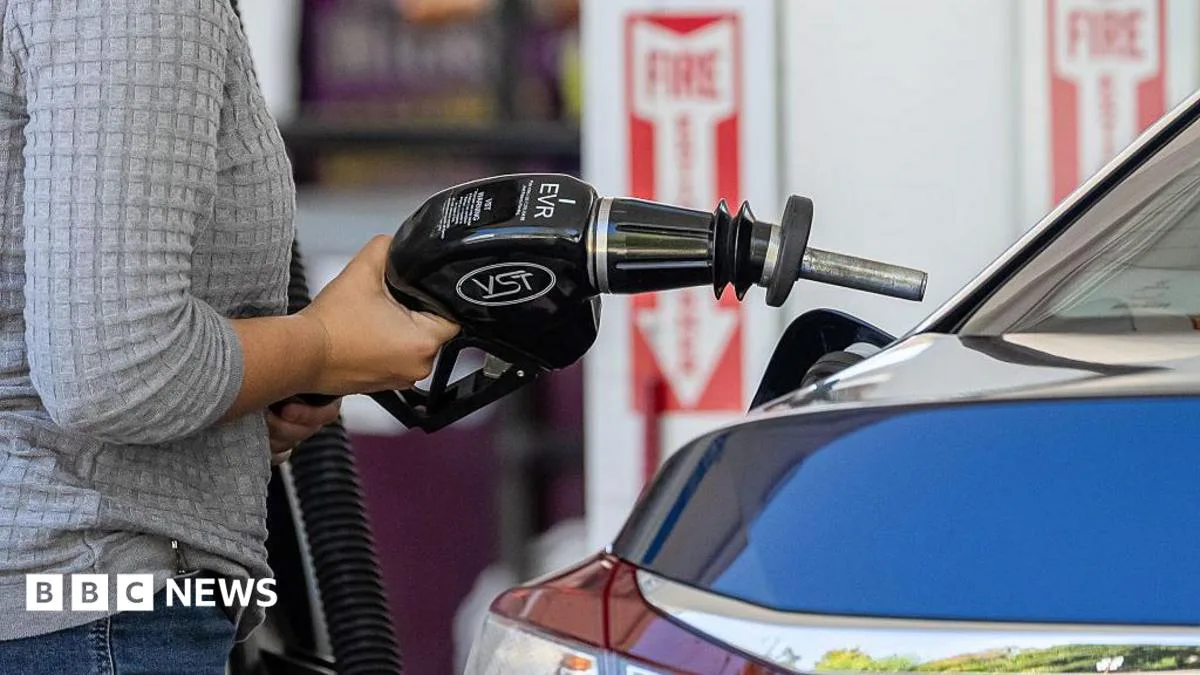
US gasoline prices climbed above $4 per gallon on July 20 after nearly a month below that level, driven by crude price increases and refining constraints [11]. Palm oil prices in Kuala Lumpur also rose to near one-month highs, supported by the crude oil surge and war risk premium, according to analyst Sathia Varqa: "The price rise in palm oil was supported by a 'resurgence in crude oil price and war risk premium following the escalating situation in the Middle East'" [12].
US President Donald Trump vowed retaliation for the killing of three US soldiers, declaring, "Iran will pay for killing three US soldiers in recent days" [9]. Mediators proposed a 10-day ceasefire to reduce hostilities, but fighting and military strikes continued as of July 21 [8, 9].
Oil prices remained volatile with the conflict ongoing and threats to Saudi export routes from the Houthi naval blockade. Observers noted that disruptions to shipping lanes could further spike prices, as Rob Thummel of Tortoise Capital LLC said: "If there’s a disruption in the infrastructure, particularly the shipping lanes, then that could cause a spike in oil prices" [8].