Oracle reported fiscal Q4 revenue of $19.18 billion and adjusted earnings per share of $2.11 for the period ending May 31, 2026, beating analyst estimates of $19.10 billion and $1.96 respectively [1, 2, 3]. Revenue rose 21% year over year, driven by a 47% gain in cloud revenue to $9.91 billion and a 93% jump in cloud infrastructure revenue to $5.8 billion [1, 2]. Net income rose to $4.22 billion, or $1.45 per share, up from $3.43 billion or $1.19 per share a year ago [1].
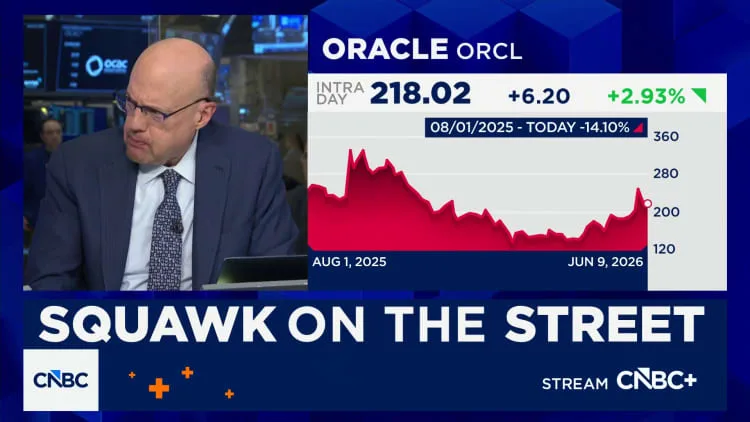
Despite the strong earnings, Oracle shares fell as much as 11% on June 11, marking their worst day since January 2025 [2, 4]. Investors expressed concern about Oracle's large capital spending and its ability to sustain profit growth amid heavy investment in AI and cloud infrastructure [2, 4]. The Philadelphia Semiconductor Index and Nasdaq 100 also declined recently amid weak forecasts from other AI-related stocks such as Broadcom [5].
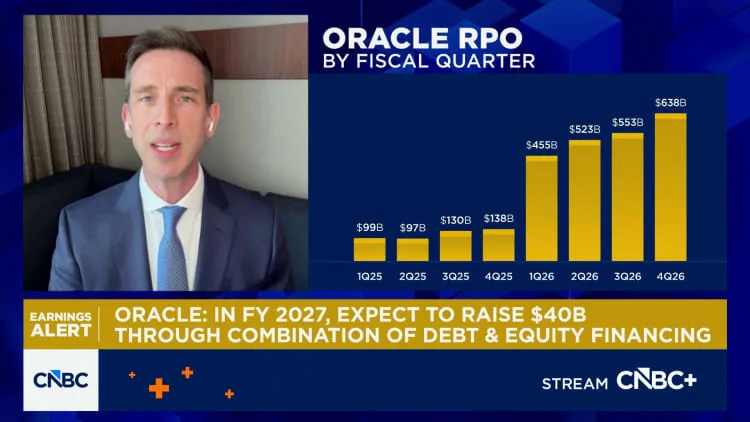
Oracle reported a negative free cash flow of $23.7 billion for fiscal 2026 and capital expenditures surged 162% to $55.7 billion. The company plans to spend about $70 billion in capital expenditures in fiscal 2027 [1, 2]. Alongside this, Oracle announced plans to raise $40 billion in debt and equity funding during fiscal 2027, which includes a previously announced $20 billion share sale [6, 1, 2]. For context, Oracle raised $43 billion in debt and $5 billion in equity during fiscal 2026 [1, 2].
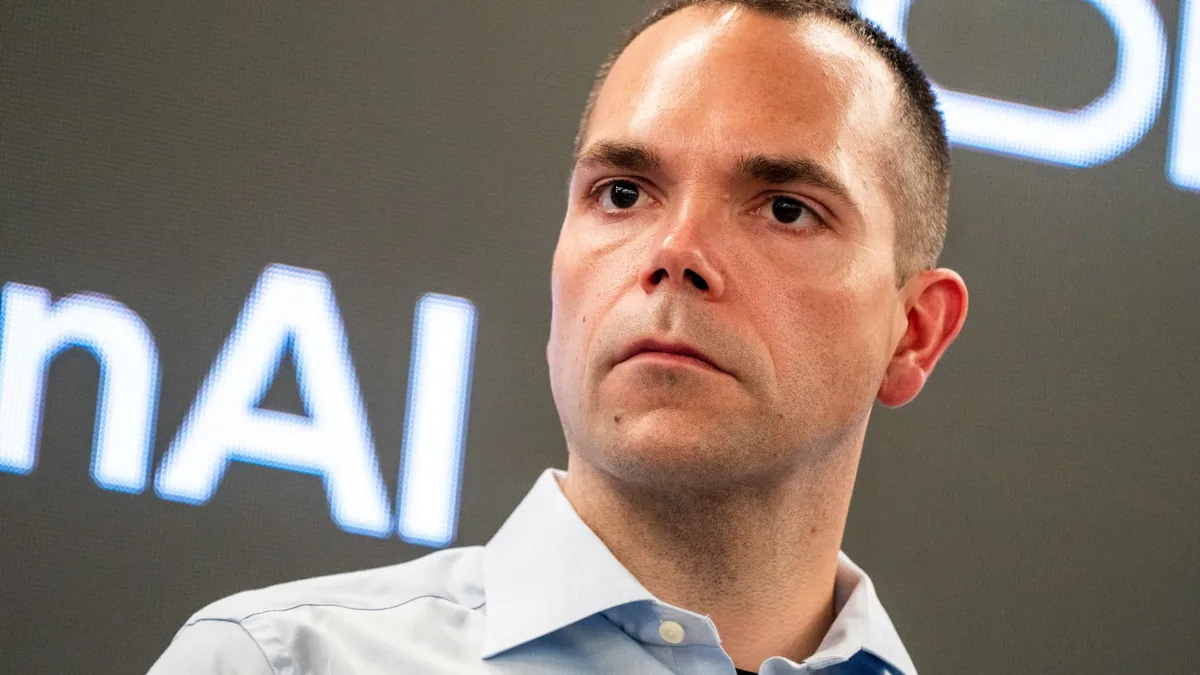
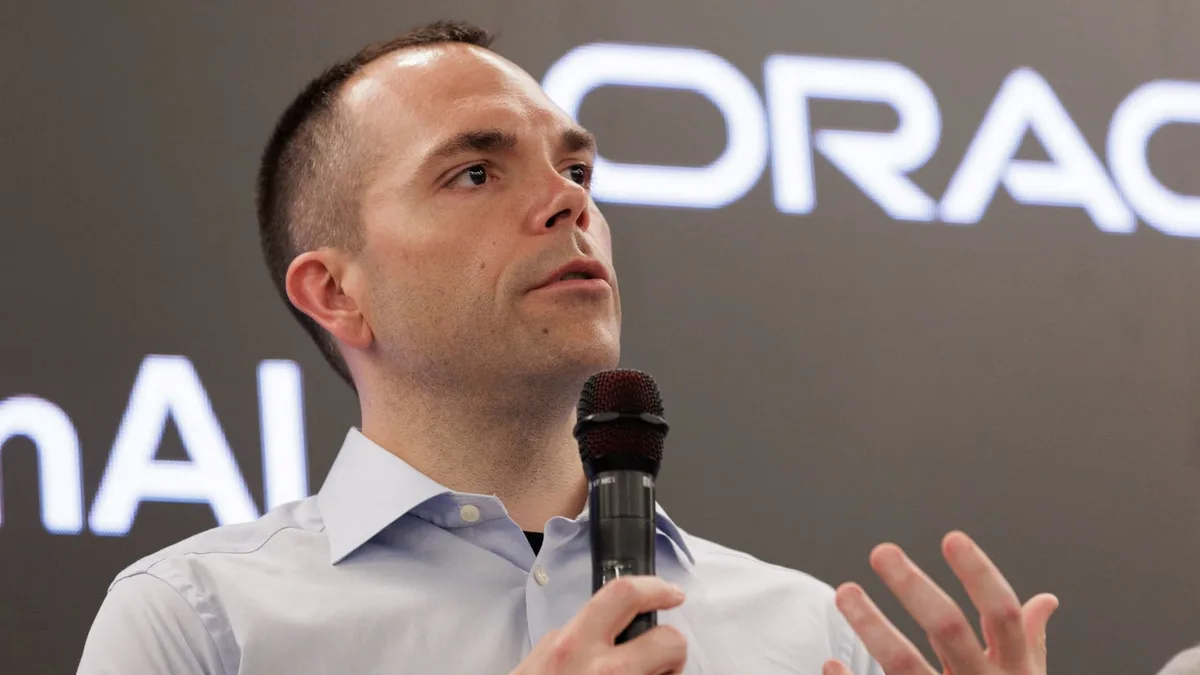
Oracle's remaining performance obligation—the contracted revenues yet to be recognized—rose 363% year over year to $638 billion as of May 31. Over half of this comes from Oracle’s five-year, $300 billion partnership with OpenAI related to AI computing services, with a total compute delivery exceeding 1.2 gigawatts in fiscal 2026 [1, 2, 3]. Oracle co-CEO Clay Magouyrk said, "Most of the RPO increase in both Q3 and Q4 were large scale AI contracts where the customer prepaid Oracle for the purchase of the GPUs, or the customer bought and supplied the GPUs to Oracle," and called the AI infrastructure market "trillions of dollars per year" in potential size [1, 3].
Oracle’s bond spreads tightened on June 11, even as shares dropped, with CFO Hilary Maxson saying no additional bond issuance is expected in calendar 2026 [6]. The company reported fiscal Q4 earnings on June 10, triggering market reactions that extended to June 11 when shares fell and bonds rallied [5, 6, 1, 2, 4].
Oracle is now entering fiscal 2027 with aggressive spending plans and capital raising efforts to fund its AI and cloud infrastructure expansion.