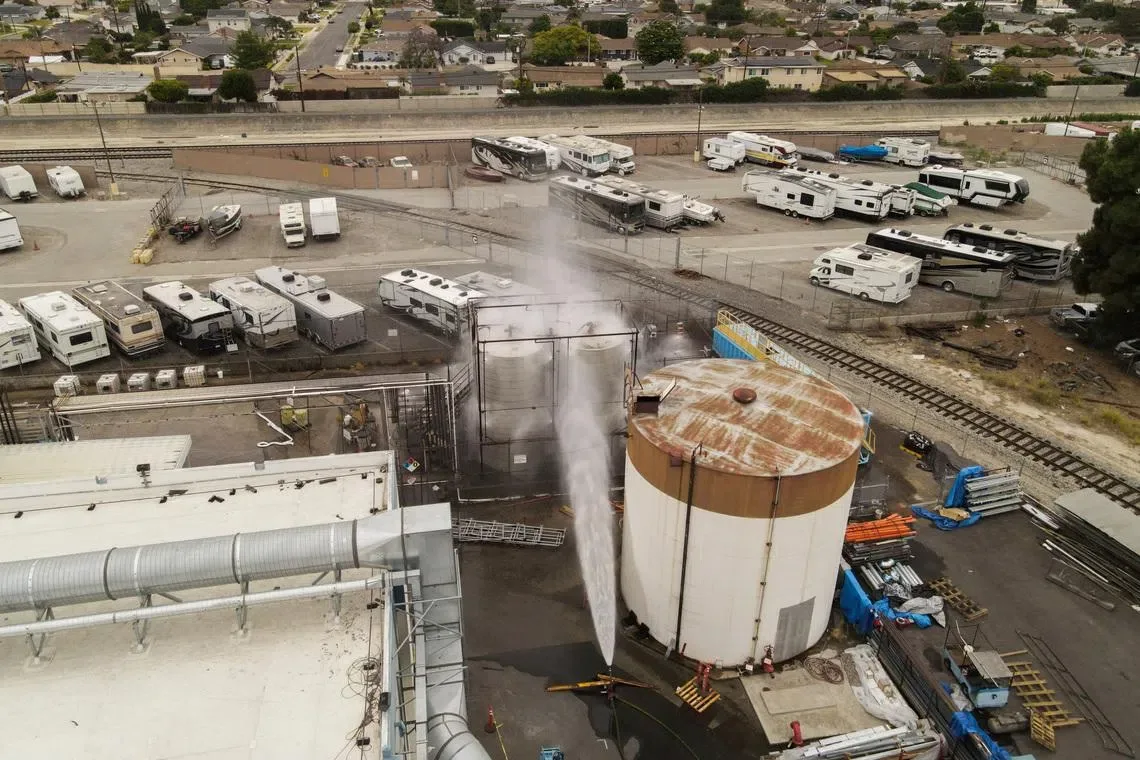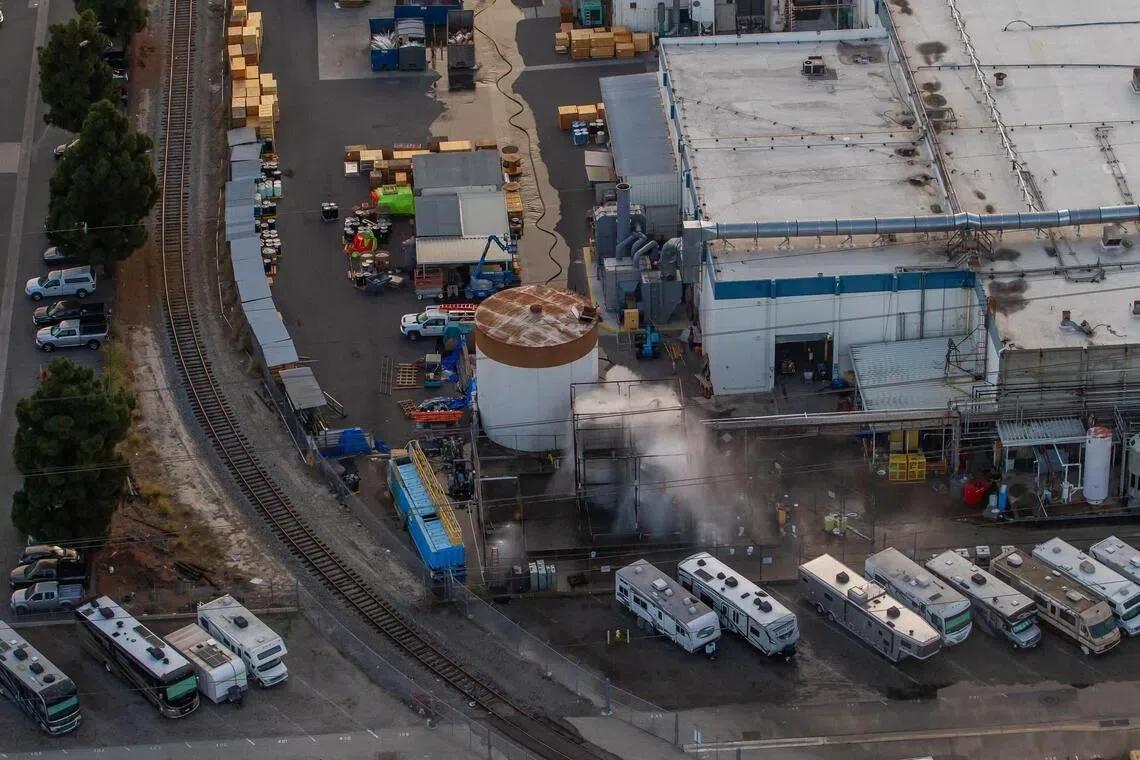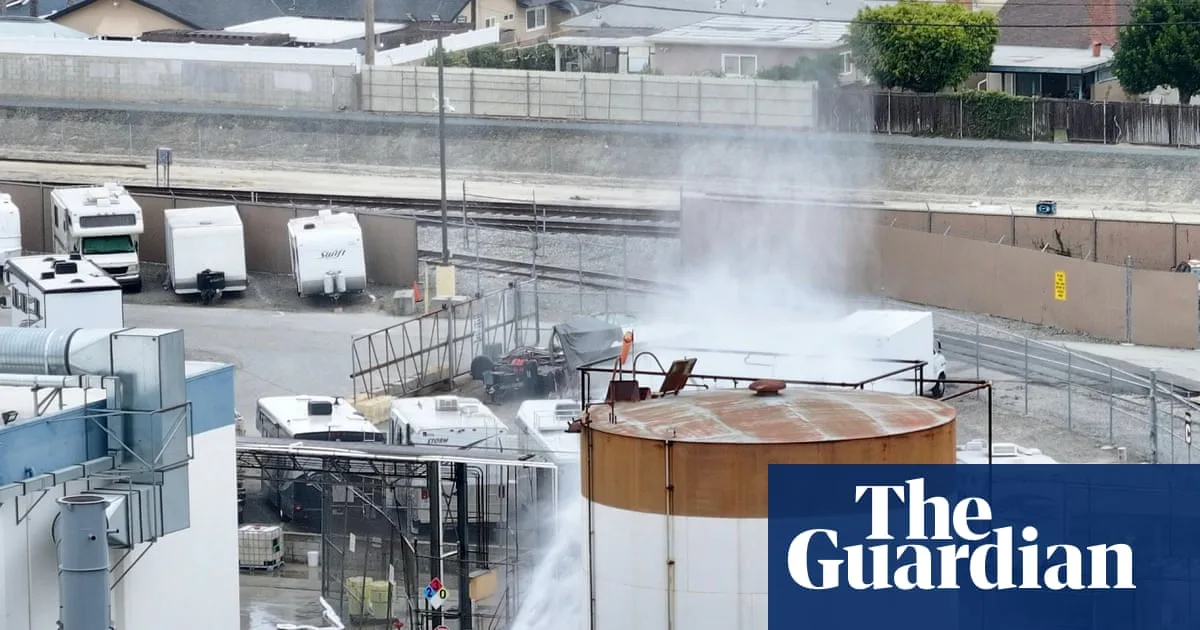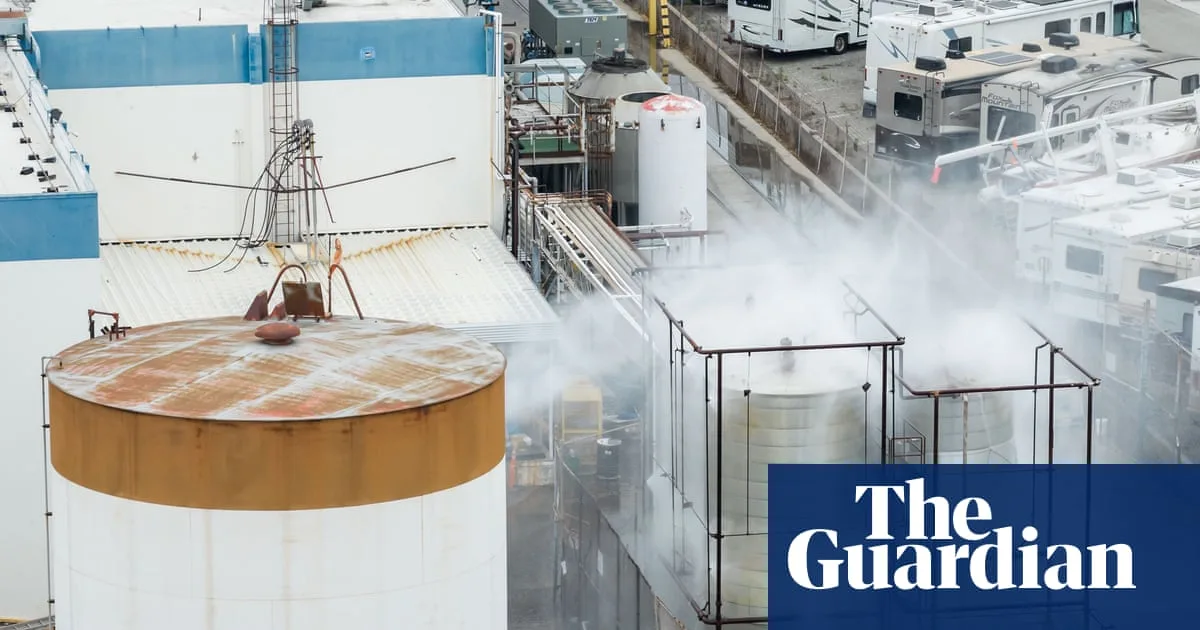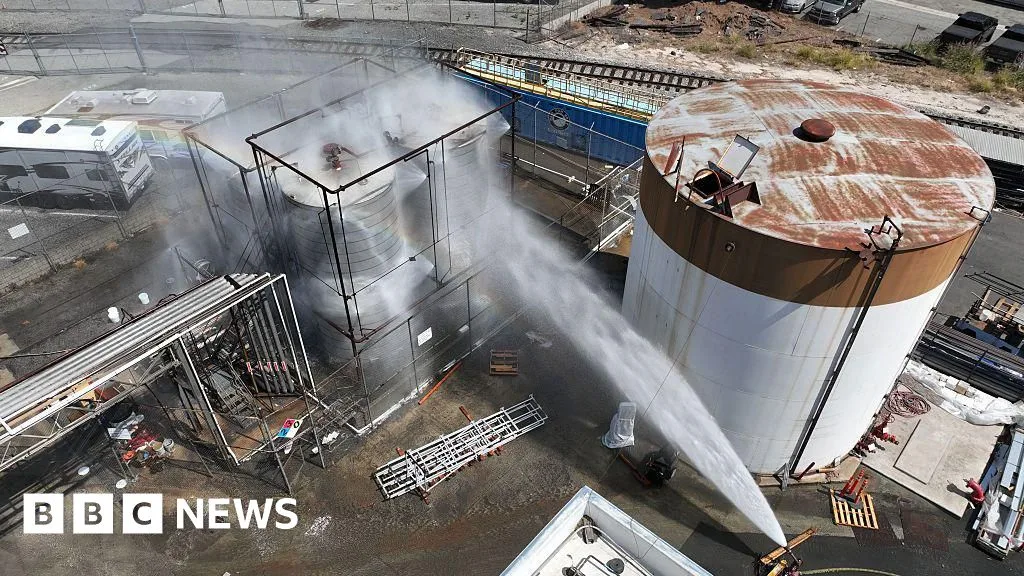
A chemical tank holding about 7,000 gallons of methyl methacrylate began leaking and overheating at the GKN Aerospace facility in Garden Grove, Orange County, California, on May 21-22 [1, 2, 3]. Methyl methacrylate is a volatile, flammable chemical used in plastics manufacturing [1, 2, 3].
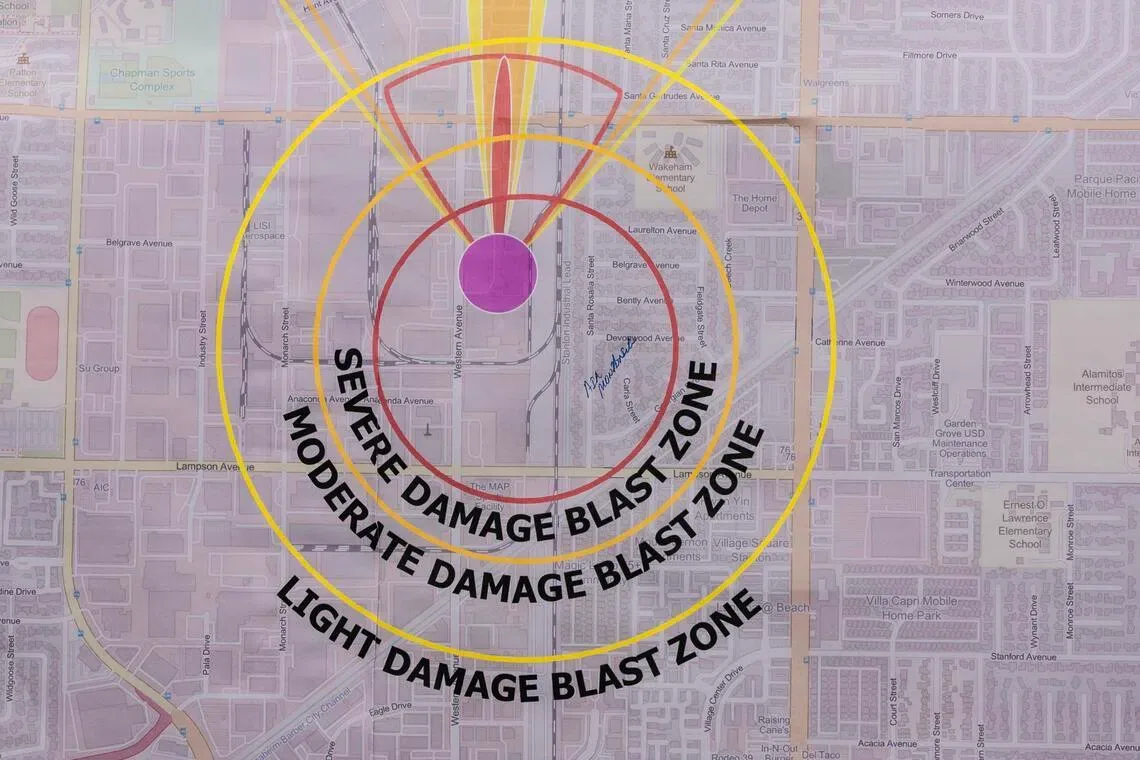
Authorities ordered evacuation for 40,000 to 50,000 residents in Garden Grove and nearby areas beginning May 22 to protect public safety [1, 2, 3]. Orange County Fire Authority Division Chief Craig Covey said there were two main risks: the tank could rupture and spill chemicals or thermally runaway and explode, potentially igniting nearby fuel or chemical tanks [1, 2]. "Letting this thing just fail and blow up is unacceptable to us," Covey said. "Our goal is to find something and not allow that to happen, not to let it damage our community, not let it damage our environment." [3]
The tank’s internal temperature rose from about 25°C on May 22 to 32°C on May 23, then peaked at 37.7°C (100°F) on May 24-25 before cooling down as water was continuously sprayed on the tank to reduce risk [3, 4, 5, 6, 7, 8]. Emergency teams pumped around 1,250 gallons per minute for several days into the tank’s cooling system [7].
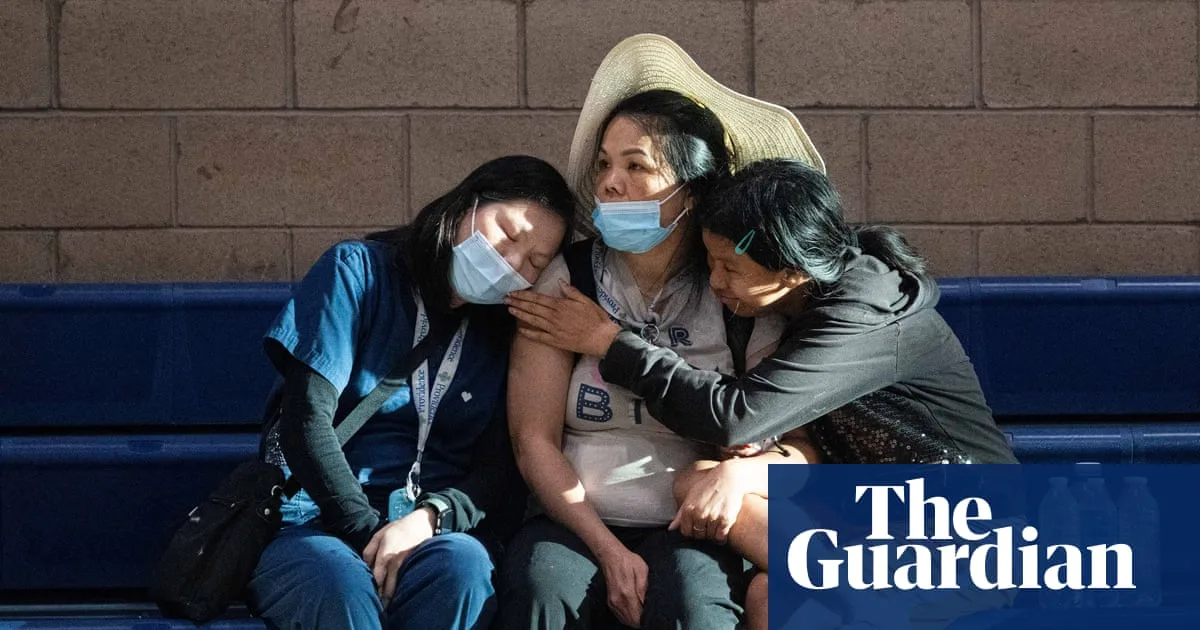
On May 23, specialists found a potential crack in the tank that may be relieving pressure and lowering explosion risk. Orange County Fire Authority Interim Chief TJ McGovern described the discovery as "positive intel." [4] As a result, some evacuation zones were scaled back, but by May 26 roughly 16,000 residents closest to the tank remained ordered to stay evacuated due to ongoing risk [6, 7]. Garden Grove Police Chief Amir El-Farra said, "For those that remain impacted, I know this may be frustrating. That number is approximately 16,000 of you. Please understand that we are doing this for your safety, and we will continue to work diligently." [6]
Governor Gavin Newsom declared a state of emergency for Orange County on May 23 and requested federal emergency support, asking then-President Donald Trump for a federal emergency declaration to assist response efforts [4, 9, 10].
Local authorities set up evacuation centers and hotlines. About 15% of evacuees initially refused to leave, complicating the evacuation process [2, 6, 11]. Environmental and health officials monitored air quality and chemical exposure, reporting no injuries as of May 26 [5, 6, 7, 11].
The GKN Aerospace site in Garden Grove manufactures parts for commercial and military aircraft and is operated by a British aerospace company [2, 6, 7]. Containment, cooling, and monitoring efforts for the chemical tank continue as officials manage the remaining evacuation zones and public safety risks [6, 7].