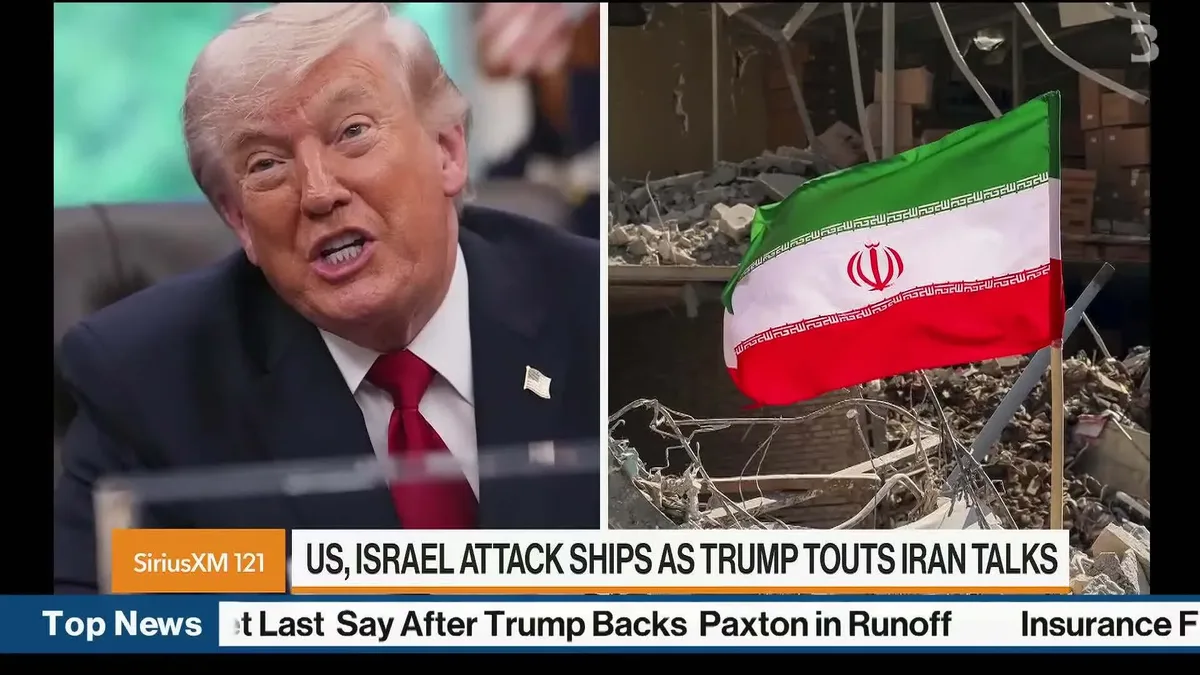
US-Iran nuclear talks are advancing, though a final deal remains uncertain. Iran says a deal with the US is not imminent but asserts consensus has been reached on key points, while former President Donald Trump described the negotiations as "proceeding nicely" and suggested a deal appears closer [1, 2].
Israel voiced its desire for a conclusive agreement that eliminates nuclear threats and also addresses Hezbollah, according to Dan Williams, a Middle East reporter for Bloomberg News. He quoted Israelis as wanting a deal that fully tackles such security concerns [3]. Meanwhile, Iran’s Supreme Leader issued tough rhetoric during ongoing negotiations, maintaining a hard line despite diplomatic progress [4].
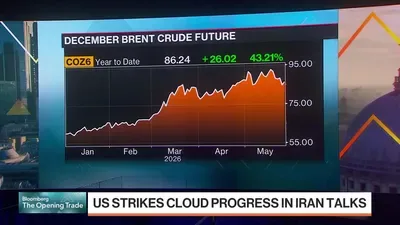
On May 25, Iran stated consensus on key issues but tempered expectations about an imminent deal, coinciding with Trump’s optimistic comments and a drop in crude oil prices amid hopes of progress. At the same time, the US pursued efforts to encourage Saudi Arabia to recognize Israel, aiming to link regional diplomacy with the nuclear talks [1, 2, 5, 6].
The following day, May 26, Israelis reiterated their push for a definitive deal, emphasizing the elimination of nuclear threats, while Iran’s Supreme Leader continued to project firmness in public statements [3, 4].
Crude oil markets responded to the optimism about the talks with price declines, reflecting expectations that an agreement could ease Middle East tensions and reduce supply anxieties [5].
The next scheduled developments in the talks have not yet been publicly disclosed. Observers await further rounds of negotiation to clarify whether consensus can be converted into a comprehensive, enforceable agreement.