Renewed military clashes between the United States and Iran erupted in early June 2026, with Iranian missile and drone attacks targeting Kuwait, Bahrain, and other regional sites. Many projectiles were intercepted by US forces, but attacks caused civilian casualties, further destabilizing the Middle East [1, 2, 3, 4, 5, 6].
These hostilities shattered a fragile ceasefire arrangement and complicated ongoing efforts to negotiate a permanent peace deal and reopen the strategically vital Strait of Hormuz. Conflicting reports emerged about the state of US-Iran diplomacy. US President Donald Trump expressed optimism about reaching an interim peace deal soon but acknowledged difficulties in negotiations. Iranian officials, however, indicated stalled talks and reluctance to advance diplomatic exchanges [1, 7, 2, 5, 6].
Market reactions were swift. Brent crude oil prices surged above $98 a barrel by early June, while US crude traded near $96 to $97 amid the escalating conflict. Oil prices had already begun climbing on June 1 after US strikes on Iranian targets, touching $93, and jumped further following Iranian attacks overnight into June 3 [1, 2, 8, 3, 9, 6].
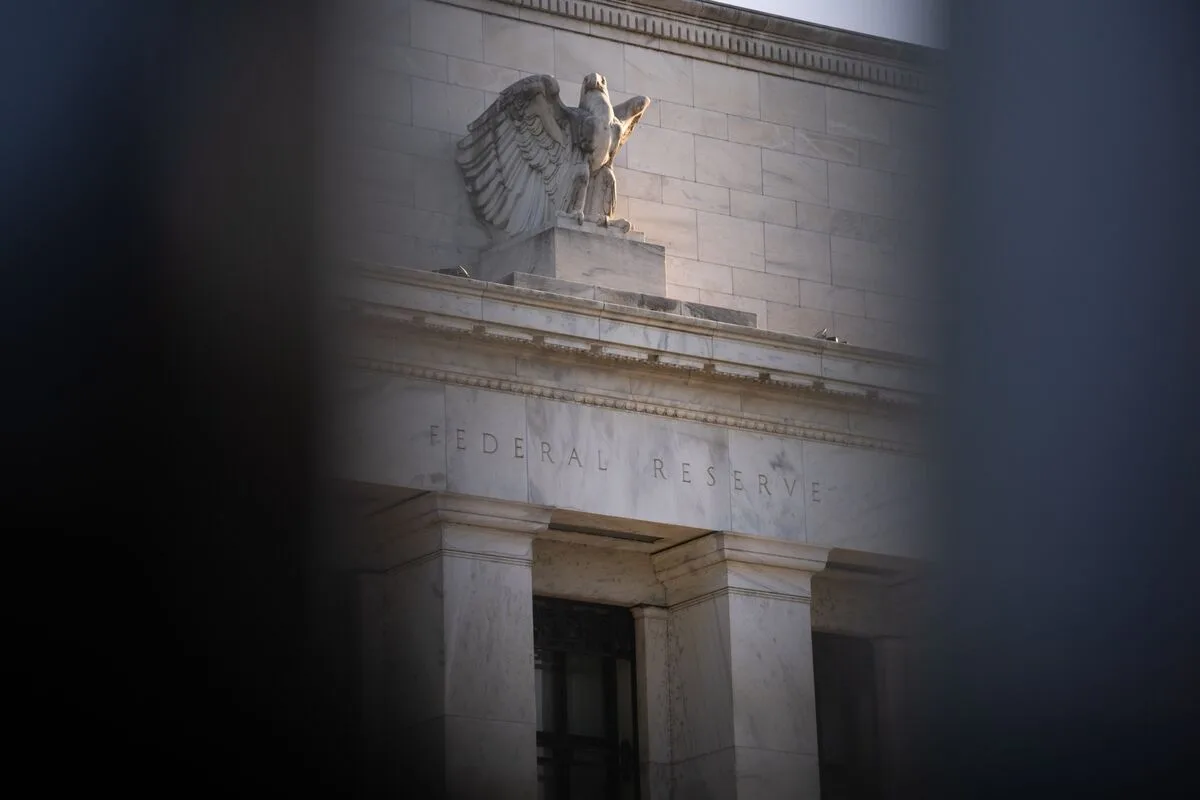
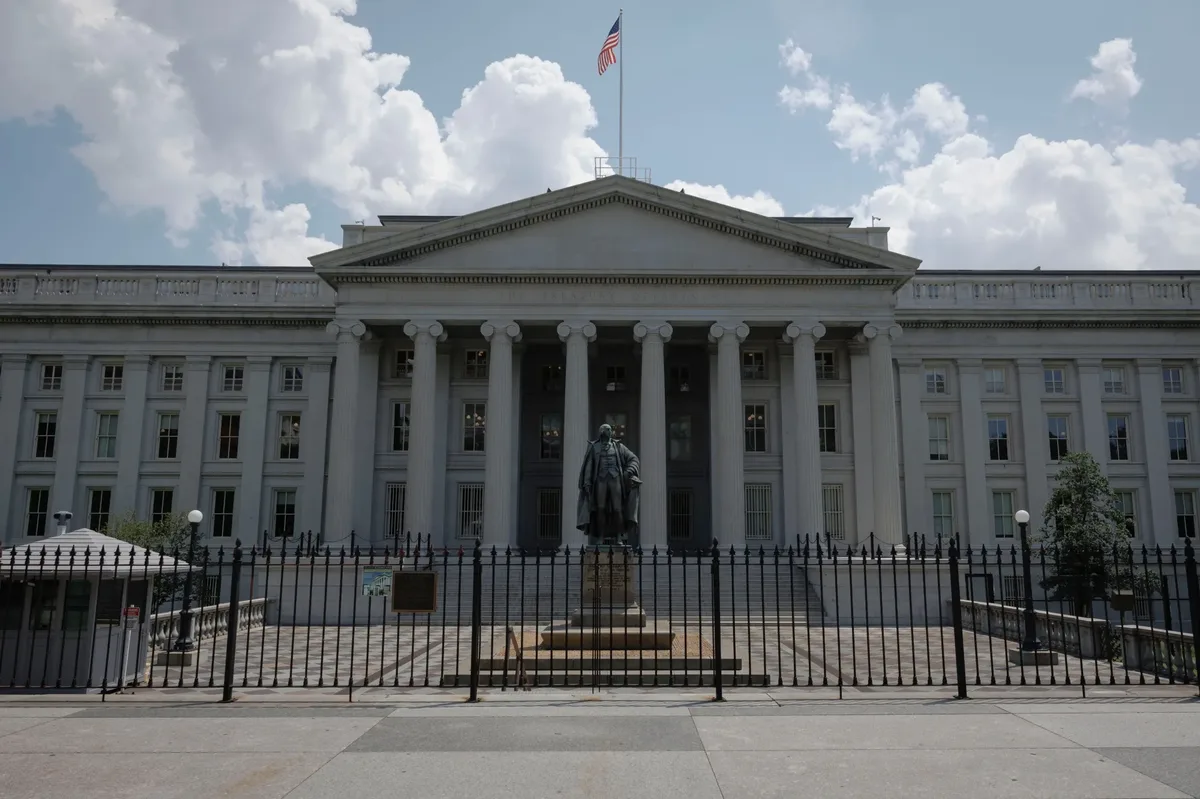
The spike in oil prices revived inflation concerns and fueled expectations that the Federal Reserve might maintain or increase interest rates later in the year. US Treasury yields responded accordingly, with the 10-year yield rising to 4.48% by June 3. US equities, including the S&P 500 and Dow Jones Industrial Average, pulled back from recent record highs amid geopolitical anxieties [1, 8, 10, 3, 11, 9, 6].
Asian stock markets opened lower on June 4 following fresh clashes, with key indexes in Singapore, Japan, Hong Kong, and South Korea retreating. Gold prices edged lower despite its traditional safe-haven role, pressured by expectations of higher US interest rates and rising oil costs [8, 3, 11, 4, 5, 9, 12, 6].
Market analysts highlighted the uncertainty. Ricardo Evangelista of ActivTrades noted optimism around US-Iran negotiations faded, causing energy prices and inflation fears to rebound. Fawad Razaqzada of Forex.com said renewed US-Iran exchanges raised doubts about the durability of the ceasefire. Chris Beauchamp at IG described the situation as a low-intensity conflict leaving oil supply questions unresolved. Kyle Rodda of Capital.com warned that Iranian reluctance could bring more volatility despite US hopes of a deal [2, 8, 3, 11, 6].
Meanwhile, Israeli military operations against Hezbollah intensified, with rocket exchanges and strikes adding to the region’s instability [2, 3, 5].
US labor market data released in early June showed job additions at the highest pace since January 2025, reinforcing expectations for Fed rate hikes amid inflation concerns provoked by rising energy prices [3, 11, 9, 6].
On June 5, US oil prices steadied following recent gains as semiconductor stocks retreated after Broadcom’s weak forecast, reflecting shifting sector rotations amid regional uncertainty [5].