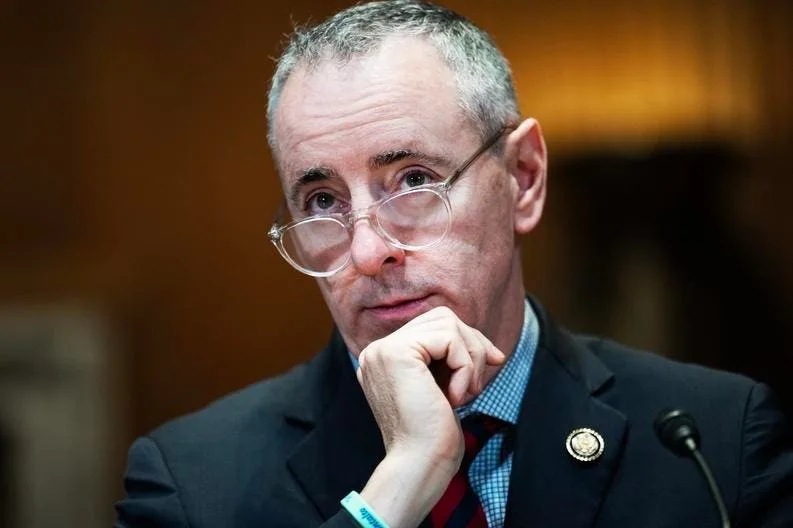
Republican lawmakers, including Rep. Brian Fitzpatrick and Sen. Mike Rounds, are exploring legislative options to restrict or block a $1.8 billion "anti-weaponization" fund created as part of a settlement related to former President Donald Trump's IRS lawsuit [1, 2].
The fund is designed to compensate Trump allies who claim they were unfairly targeted by the IRS or other government agencies, but it has drawn strong criticism within the GOP for lacking legal precedent and clear accountability, with some warning it allows payments with little oversight [1, 2]. Outgoing Sen. Bill Cassidy described it as a "$1.8 billion fund for the President and his allies to pay whomever they wish with no legal precedent or accountability" [2].
Republican concerns surfaced during a closed-door Senate GOP lunch on May 20-21, where lawmakers raised questions about the source of the fund and who would be eligible for payments [2]. Sen. Mike Rounds said, "There's going to be an attempt to address the questions that are out there on it" [2].
Rep. Brian Fitzpatrick stated publicly on May 20 that Republicans are going to "try to kill it," signaling strong opposition within the party [1]. Rep. Kevin Kiley indicated his likely support for a discharge petition led by Rep. Jamie Raskin aimed at imposing restrictions on the fund [2].
House Speaker Mike Johnson has urged members to prioritize deliberation over personal preferences, warning that "You have to give up your personal preferences sometimes, because you're in a deliberative body," though he faces pushback from members resisting full party conformity on this matter [2]. Rep. Don Bacon criticized a "yes-man mentality," saying it is "not good for the president, it's not good for our party, not good for Congress" [2].
President Trump has targeted Rep. Fitzpatrick for opposing him and voting against him, signaling a possible primary challenge ahead [1].
The next major step could come as early as this week, when a discharge petition backed by Rep. Raskin may move to impose legislative restrictions on the fund to address Republican concerns over its scope and oversight [2].