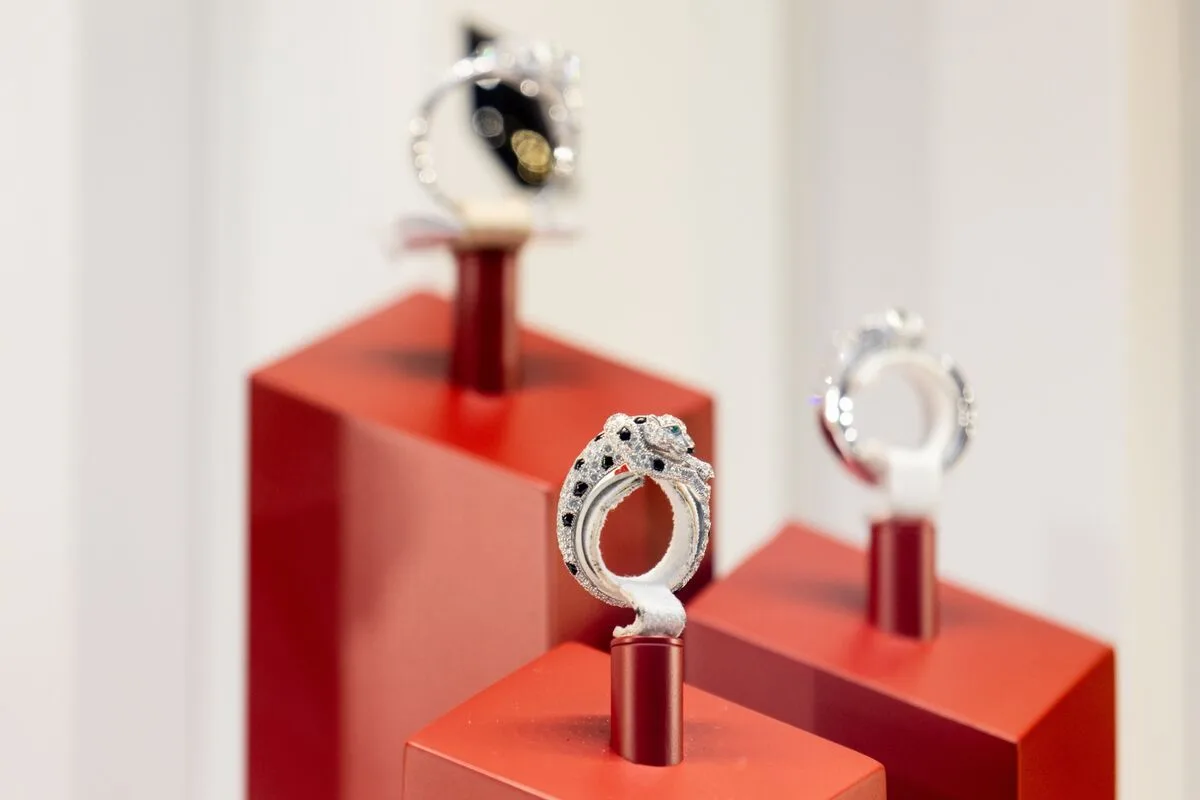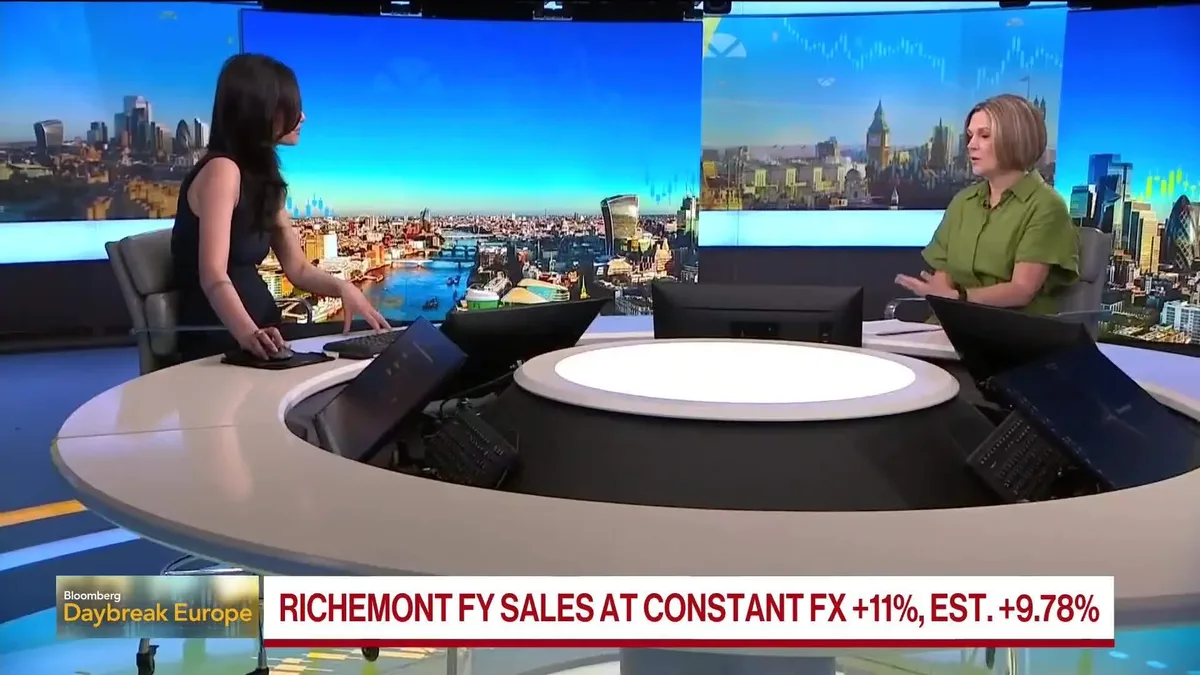
Richemont’s full-year sales rose 11% on a constant currency basis in the fiscal year ended March 31, 2026, exceeding analysts’ estimate of 9.78% growth [1, 2, 3]. The increase was fueled by strong demand for Cartier jewelry, including bracelets and rings, which led sales growth across all regions [1, 2, 3]. The company’s jewelry segment, which also includes Van Cleef & Arpels, surpassed expectations [1, 3].
Sales growth was broad based, with the Americas showing the strongest gain of 17% at constant exchange rates [3]. Despite geopolitical tensions impacting luxury hubs in the Middle East and Africa, which contribute about 9% of Richemont’s revenue, overall sales remained resilient [3]. Vontobel analyst Jean-Philippe Bertschy noted that Richemont “remains one of our preferred names in luxury, driven by unmatched scale and desirability in high-end jewellery, superior pricing power and a tightly controlled distribution network” [3].
Richemont’s focus on fine jewelry has helped it navigate a luxury market downturn, as this category is seen as a better store of value than apparel and leather goods [3]. Following the sales announcement on May 22, Richemont proposed a 10% increase in its dividend and a special dividend of one Swiss franc [3]. The company also launched a new share buyback program to repurchase up to 10 million A shares [3].
Richemont shares rose as much as 5.6% to reach an almost three-month high in early trading on the Zurich exchange after the announcement [3]. The strong sales performance and shareholder return plans underline Richemont’s recovery and market position. The company is expected to execute its share buyback program in the near term as part of its capital allocation strategy.