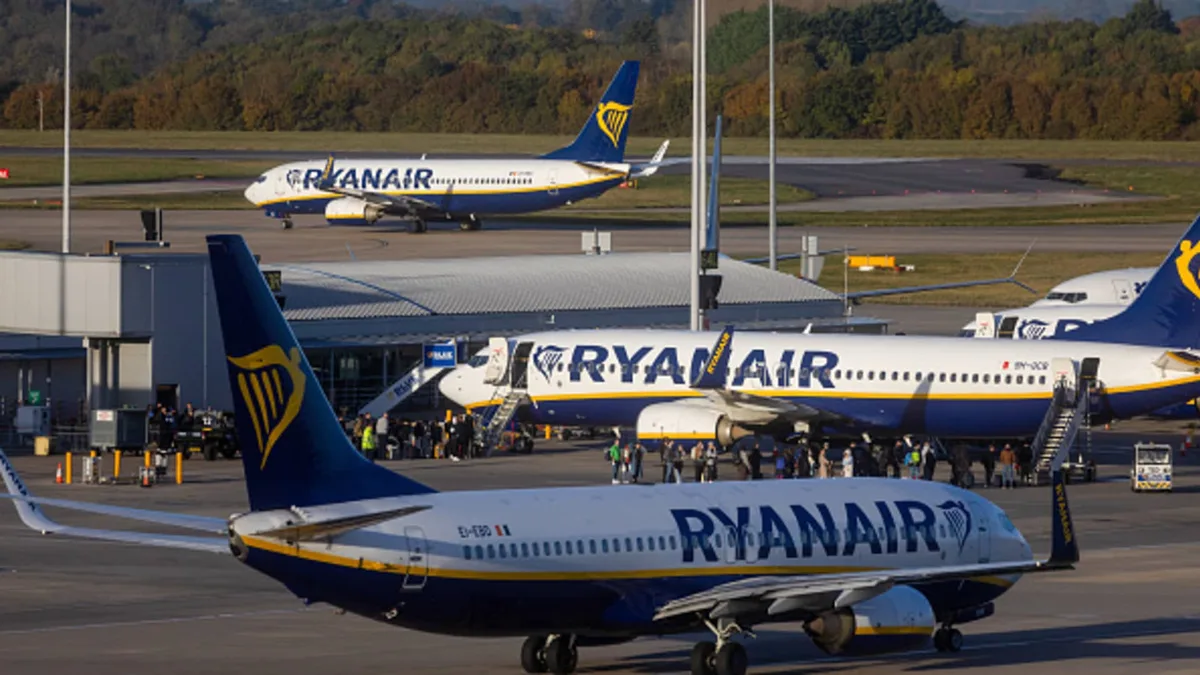
Ryanair has hedged about 80% of its summer jet fuel at roughly $668 per metric ton, or $67 per barrel, shielding itself from sharp price swings after the Iran war began in late February, causing oil prices to surge near $200 per barrel before falling to about $163 [1, 2].
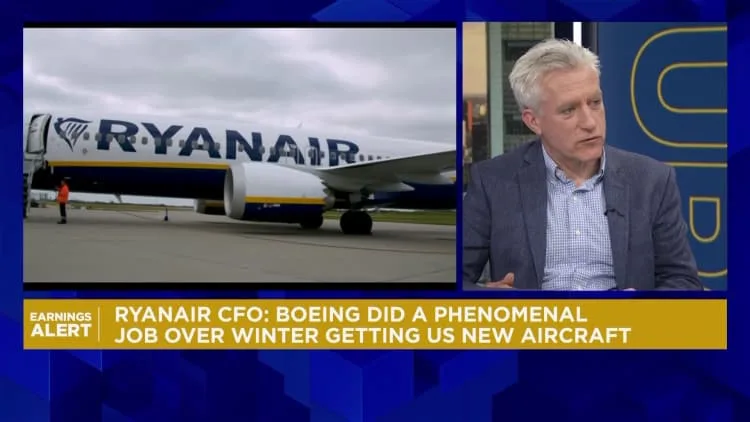
The airline’s chief financial officer, Neil Sorahan, told reporters on May 18 that Ryanair has plans for an “Armageddon situation” due to jet fuel volatility but does not expect such a scenario. He said, “Do we have plans for some kind of Armageddon situation? Of course, we do, but I don't see that coming to pass. As things stand, we're operating a full schedule this summer, and plan to operate a full schedule into the winter period” [1].
Sorahan added that the firm is less concerned about fuel supply disruptions this summer, citing reduced dependence on the Strait of Hormuz and diversified oil sources including the US, Venezuela, and Brazil. “We're in obviously very volatile oil markets at the moment. If we go back a couple of months ago, we probably had some concern around oil supply, but we're increasingly confident that there won't be issues in relation to oil into this summer” [1].
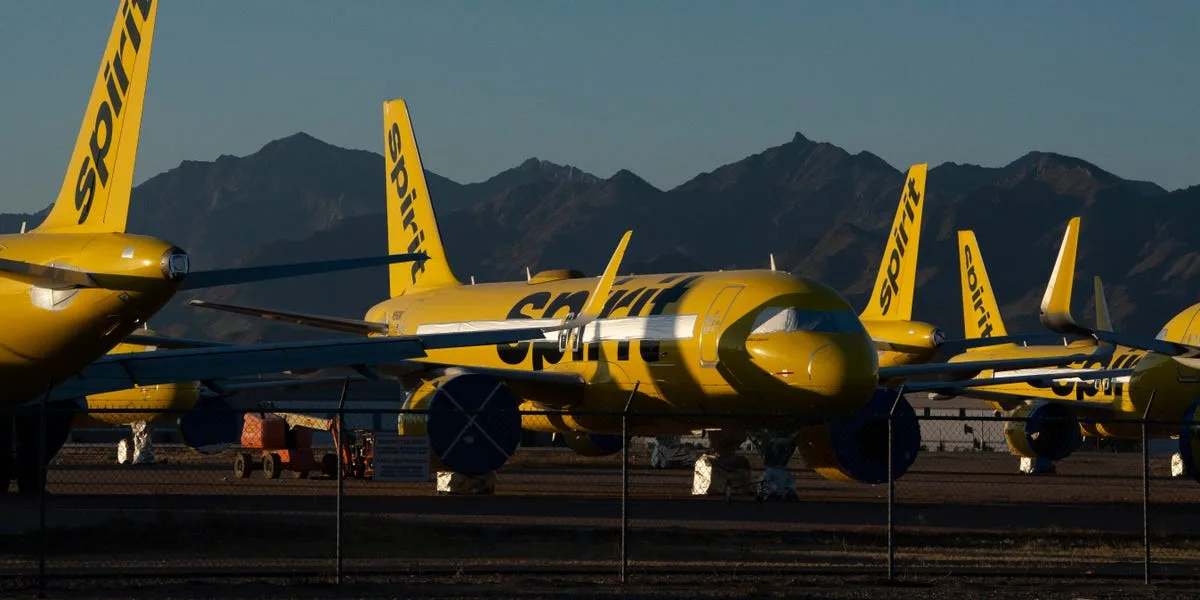
Still, he warned some weaker European airlines may collapse due to high jet fuel costs, saying, “I think we will see some of the weaker carriers who were already struggling before the war possibly go to the wall in the winter” [2]. Spirit Airlines ceased operations in early May citing rising fuel costs as a major factor [2].
Ryanair’s CEO Michael O’Leary said the carrier does not expect to cut flights or schedules despite high oil prices. “We do not expect to be cutting flights or schedules because of higher oil prices” [2].
The airline reported a 40% rise in profit after tax to nearly 2.3 billion euros ($2.7 billion) for the fiscal year ended March, with passenger traffic rising 4% to 208.4 million. However, revenue fell 11% to 15.54 billion euros during the same period [1].
Ryanair’s full summer and planned winter operations reflect confidence in navigating jet fuel market volatility. The carrier’s strong fuel hedging should help insulate results as jet fuel costs remain elevated following geopolitical tensions earlier this year [1, 2].