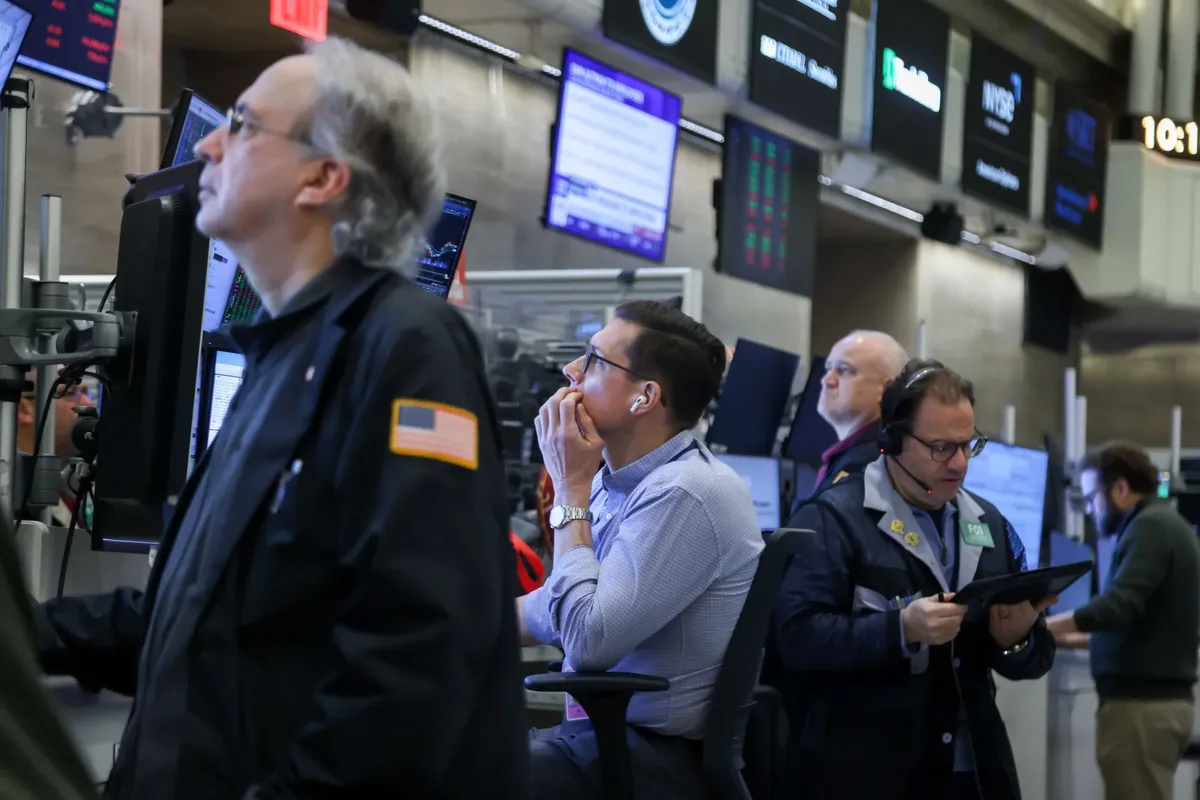
US stock indexes including the S&P 500, Nasdaq, and Dow Jones Industrial Average posted multiple record closing highs from May 26 through May 29, 2026 amid optimism over a possible US-Iran peace deal and strength in the AI and technology sectors [1, 2, 3, 4, 5, 6].
On May 26, the S&P 500 rose 0.61% to close at 7,519.12 points, while the Nasdaq Composite gained 1.19% to 26,656.18, driven by surging semiconductor and AI-related stocks [2]. Chipmakers including Dell, which saw a notable 32.8% to 34.7% jump after raising sales forecasts, and Marvell Technology were among the leading performers [2, 3, 5, 6]. Chris Zaccarelli, CIO at Northlight Asset Management, compared this year's tech rallies to the late 1990s boom but noted lessons learned from the earlier tech bubble burst may help prevent a repeat [2].
On May 27, the Dow Jones climbed 182.60 points (0.36%) to 50,644.28, hitting a record close, while the S&P 500 and Nasdaq remained steady near their highs as the AI rally briefly paused [3]. By May 28, reports that the US and Iran had agreed to a 60-day extension of their ceasefire lifted market confidence. The S&P gained 0.58%, Nasdaq 0.91%, and Dow 0.05% on the day [4]. However, US President Donald Trump had not yet formally approved the ceasefire deal as of May 28-29 [4, 7, 5, 6]. Jamie Cox of Harris Financial Group said traders were cautious amid shifting deal news and noted persistent inflation pressures could dampen enthusiasm [4].
On May 29, Wall Street closed at fresh record highs again. The Dow rose 0.72% to 51,032.34, with the S&P 500 and Nasdaq also advancing on renewed tech strength and rising hopes for a US-Iran peace agreement [5, 6]. Ohsung Kwon, chief equity strategist at Wells Fargo, linked the rally chiefly to earnings growth fueled by AI-related companies [6]. Bob Savage from BNY said markets ended May with a "risk-on bias" thanks to AI optimism, falling oil prices, and expectations the ceasefire might hold [5].
Markets have also faced competing pressures. US inflation accelerated in April to the fastest pace in three years, driven by higher energy costs attributed to Iran war tensions [8, 4, 7]. The 10-year US Treasury yield briefly topped 4.5% amid concerns that inflation and geopolitical risk could pressure equities [9, 8]. Earlier in May, the 30-year Treasury yield surged to 5.2%, its highest level since 2007 [10]. US first-quarter 2026 GDP growth was revised down to 1.6% annualized [4, 5, 6].
Tensions remain fragile. Some sources say fresh US strikes and Iranian retaliation on May 28 added uncertainty and President Trump rejected reports of an imminent deal, indicating unresolved issues remain [8]. Iran is seeking the release of $24 billion in frozen overseas funds as part of the negotiations [2].
Key events moving forward include the pending US presidential approval of the ceasefire extension. Market participants will also monitor upcoming corporate earnings reports and inflation data for further direction.