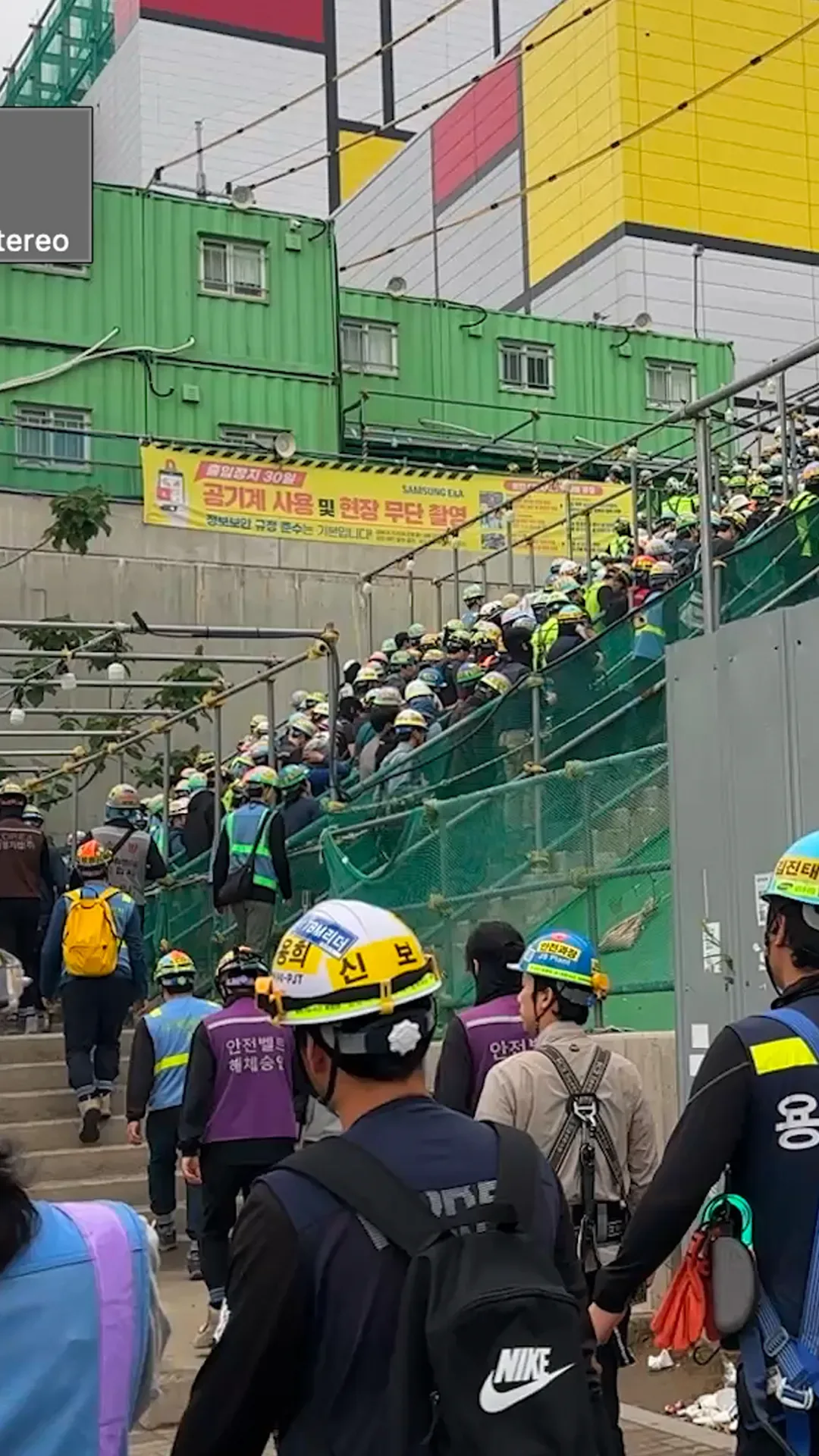
Samsung narrowly avoided a strike in May after promising some full-time employees at its Pyeongtaek memory chip factory bonuses linked to artificial intelligence profits, according to company reports and local sources [1, 2]. The strike threat emerged earlier in May as workers protested unequal bonus distribution at the South Korean plant, a critical site in the global semiconductor supply chain [2].
On May 29, Samsung announced bonuses up to $400,000 for select memory division employees. This amount is roughly four times the company’s average annual salary, reflecting the high stakes of AI-driven growth [2]. The bonuses were intended to reward those directly contributing to the company’s advances in AI-related technology and profitability.
However, the promise of such large bonuses sparked discontent among other Samsung workers who did not receive them. Some employees expressed unhappiness with the pay disparity, fueling divisions within the workforce and raising tensions over fairness [1]. The threat of a strike loomed as a result.
The potential strike at Pyeongtaek risked disruption to semiconductor production, which could have caused ripple effects across global electronics supply chains given Samsung’s leading chip manufacturing role [2]. The company’s offer helped quell the strike threat by addressing some, but not all, worker demands.
Negotiations and talks between management and employees have continued since the announcement. Samsung aims to maintain production stability at its key Pyeongtaek facility while balancing internal labor relations as it pursues AI-driven revenue.
The next scheduled update on these labor agreements has not yet been announced, but monitors note the situation remains delicate given lingering worker divisions over bonus equity.