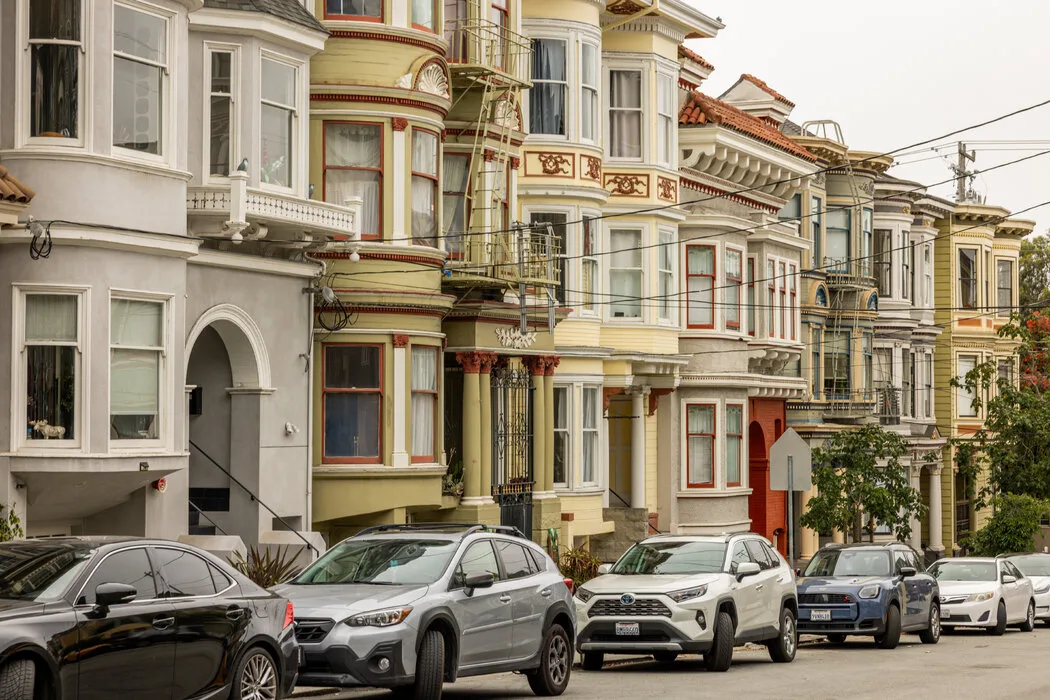
Katrine Razniak, 27, who moved to San Francisco in 2022 as a LinkedIn recruiter earning $70,000 and later raised to $180,000 as a team lead at Rippling, and her partner Adam Woodbury, 39, a software engineer earning $185,000 who moved there in 2021, have spent three months searching for a one-bedroom apartment under $5,000 per month without success [1, 2, 3, 4, 5]. They viewed about 30 properties during spring 2026 but found none affordable or available in the city with soaring housing costs [1, 2, 3, 4, 5].
San Francisco’s median home price hit $1.7 million in April 2026, far above the national median of $450,000. Average apartment rent recently surpassed New York City levels, reaching $3,827 per month, while vacancy rates in top neighborhoods have plunged from 13% in 2020 to around 3% today, as new construction slows [1]. A single $5,200/month listing attracted 30 applicants within an hour of its open house [1, 2, 3, 4, 5].
Razniak now rents a room with two roommates for $1,650 a month and lives apart from Woodbury, who moved recently to Carnelian Bay near Lake Tahoe for lower living costs. The couple maintains a long-distance relationship while weighing relocation to Seattle, where they could afford a house with a garage and storage—options out of reach in San Francisco [1, 3, 4, 5]. Razniak said, “I don’t feel completely hopeless, but I don’t think I can stay in S.F.” Woodbury added, "At some point, there was a slow transition where we both realized it just didn’t make any sense” to stay given expenses [2].
Despite her $180,000 salary doubling since 2022, Razniak experiences money anxiety and spends about $1,000 more monthly than before just to maintain a comparable lifestyle in San Francisco’s high-cost environment [1, 3, 4, 5]. Woodbury noted that though his income ranks in the national top 20%, he feels excluded from San Francisco’s AI industry billionaire bracket and housing market [3]. Many tech workers under $200,000 find rent, utilities, and groceries consume nearly all earnings, leading to widespread financial stress [1, 3, 4].
Other living expenses in San Francisco exceed national averages by large margins: utilities cost about 41% more, transportation 43% more, and groceries nearly 19% higher [1]. Meanwhile, average annual salaries in the city have risen from $153,359 in 2020 to $196,365 last year, buoyed by a new AI elite from companies like OpenAI, Anthropic, and SpaceX poised for stock market debuts and potentially producing 20 or more new billionaires [1, 2, 3, 4, 5].
Demand for affordable housing remains intense. One fintech worker’s posting for two spare bedrooms in the Inner Richmond neighborhood drew 88 applications within 24 hours [1]. Some higher earners, like Julie Gan who makes about $250,000 annually with no student loans, continue to stay because of job opportunities and the city’s vitality, despite housing pressures. She said, "Despite the absurdity of the housing situation and rising costs, I still believe all these intangible things are worth it to me" [1].
Razniak and Woodbury’s search for stable housing in San Francisco continues, with a possible move to Seattle being discussed due to affordability and quality of life considerations [1, 3, 4, 5].