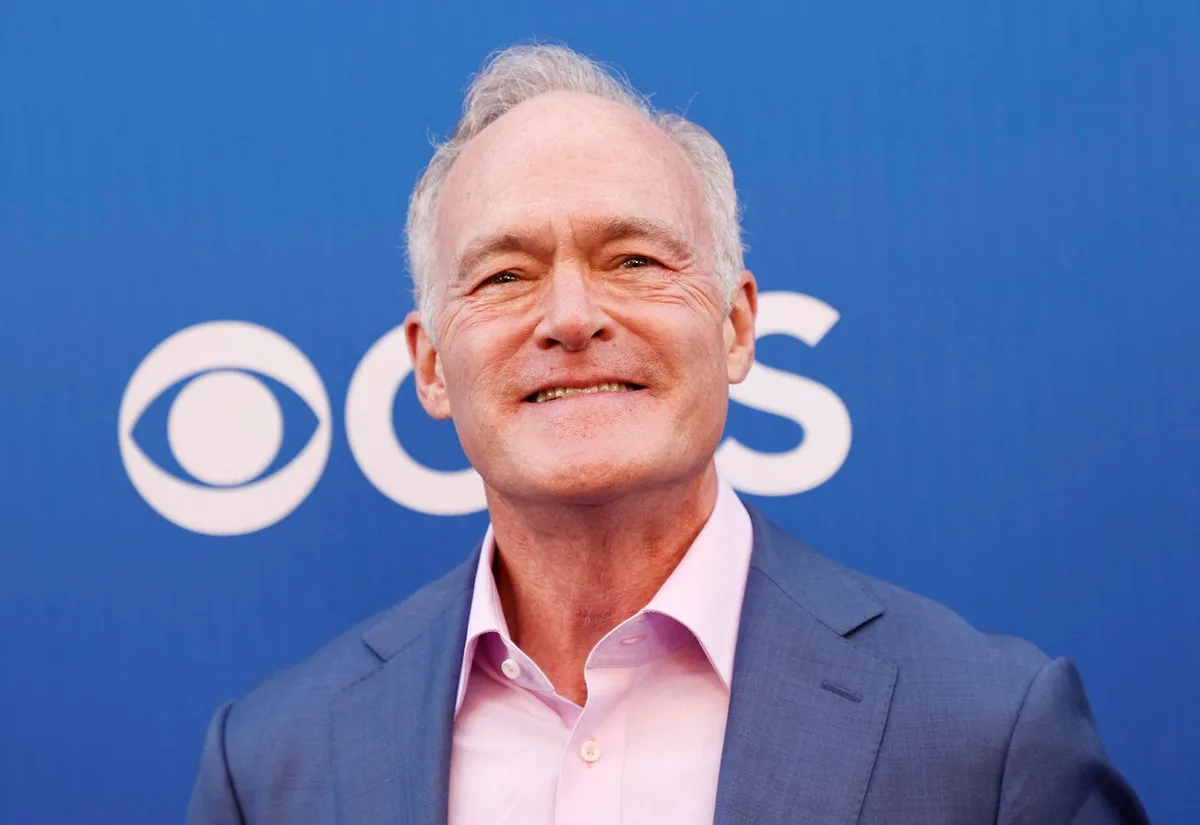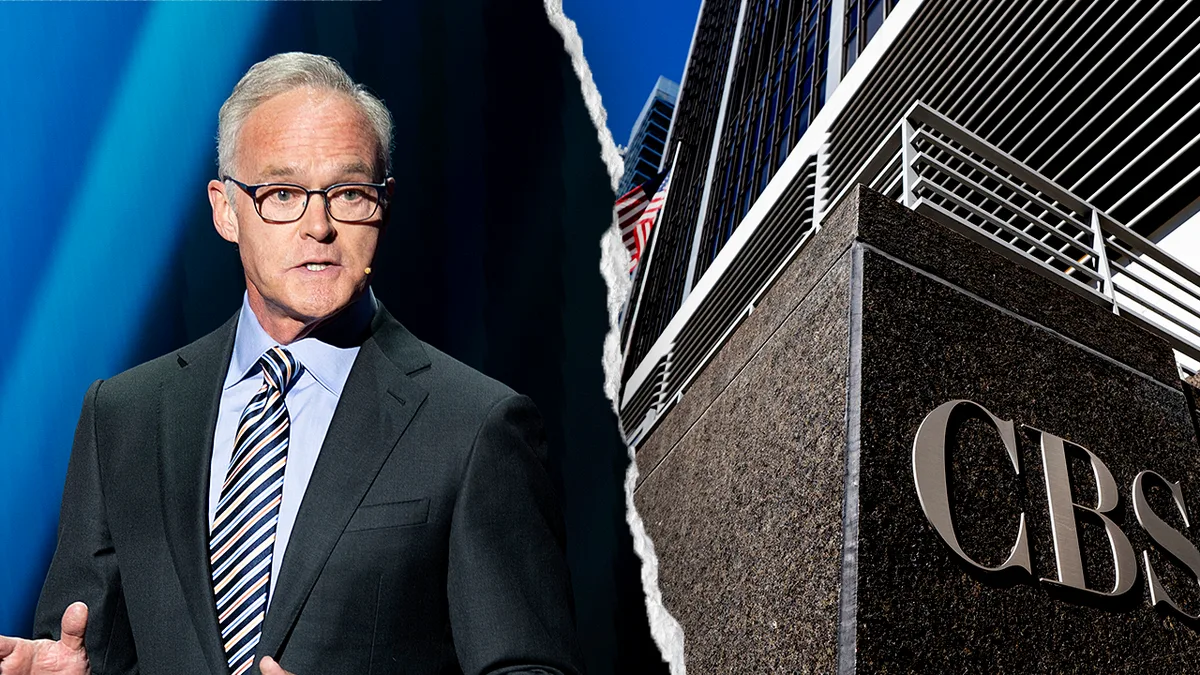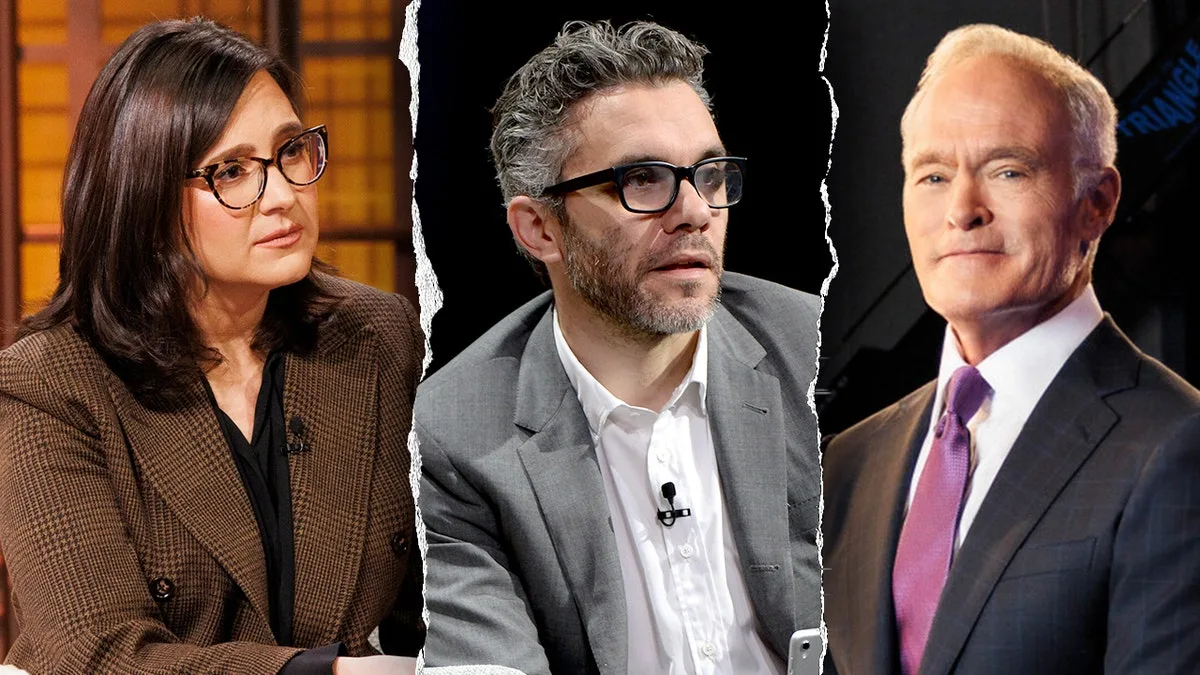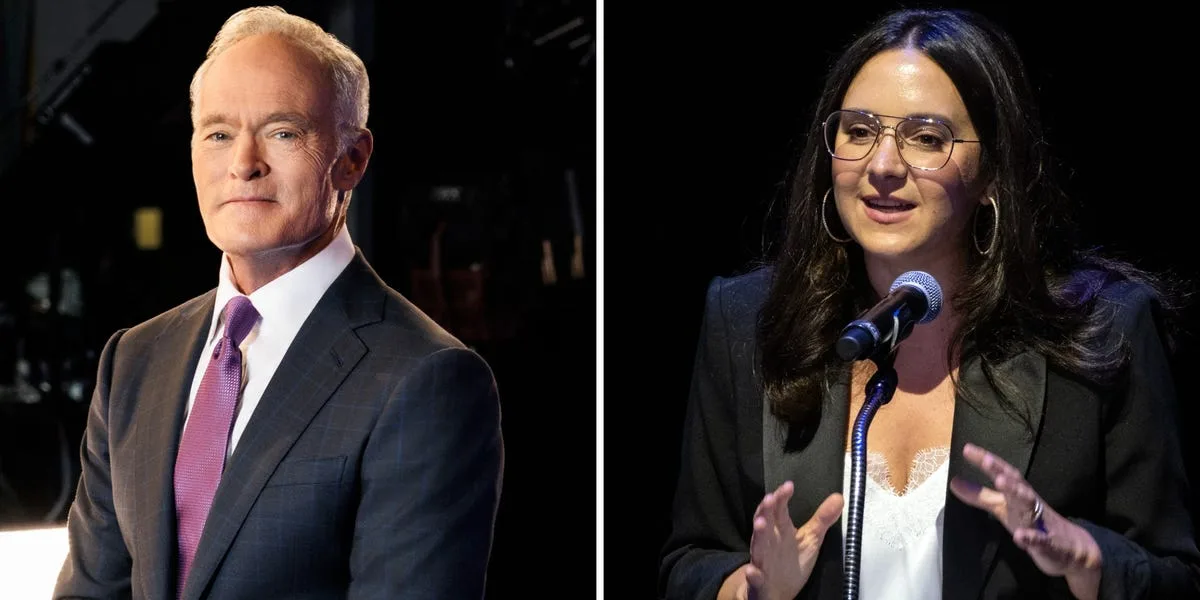
Scott Pelley, a veteran correspondent for '60 Minutes' with 37 years at CBS News, was fired in early June 2026 following an outburst at a meeting earlier that month [1, 2, 3, 4].
Pelley publicly accused CBS News editor-in-chief Bari Weiss of incompetence, inexperience, and political interference favoring the Trump administration’s version of events. He said Weiss requested last-minute editorial changes to a February 2026 60 Minutes story covering Minneapolis protests and the shooting death of Renee Good that were inaccurate and biased [1, 2, 3].
He stated Weiss wanted protesters portrayed as more violent and falsely described Good as driving toward the police officer, a claim contradicted by video evidence. Pelley said, "My impression at the time was that she was putting a thumb on the scale on behalf of the administration. Constantly looking out for the views of the president" [1]. He added, "There was a thumb on the scale for the president’s version of events that I felt was a level of political influence that I had never seen in 37 years at CBS News" [3].
CBS News disputed Pelley’s claims. A spokesperson said Weiss’s editorial suggestions "had no political motivation and were proposed solely to make the piece as strong, fair, and accurate as possible" [2].
The news network announced significant staff changes, including firing senior '60 Minutes' staff and appointing Nick Bilton as executive producer under Weiss's leadership [3, 4]. Pelley described the cuts as a "Black Thursday massacre" and criticized the lack of clear leadership at CBS News [3, 4]. He said he objected to Bilton’s style and felt compelled to speak up for the team and the broadcast [3].
Despite calling Weiss a "lovely person," Pelley said, "Television’s not her thing," questioning her suitability for the role [1, 3].
Media Research Center president David Bozell referenced Pelley’s remarks as confirmation of long-standing concerns about bias at '60 Minutes,' citing past controversies including coverage of the Hunter Biden laptop story [4].
In February 2026, '60 Minutes' aired the Minneapolis protest story that became the center of the dispute [1, 2, 3]. Pelley went public with criticism of CBS News's leadership on June 2 and his detailed interview with The New York Times was published June 7 [1, 2, 3].
The network’s leadership changes and the fallout from Pelley's firing mark a significant upheaval at CBS News as they continue to navigate coverage and editorial challenges.