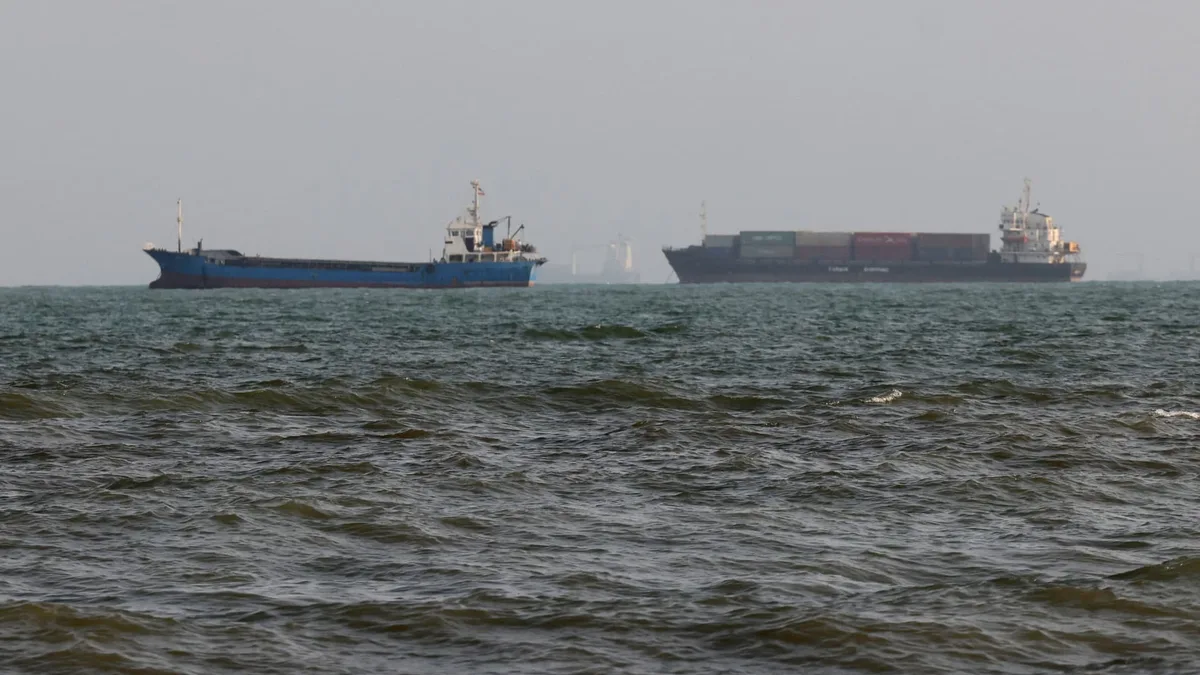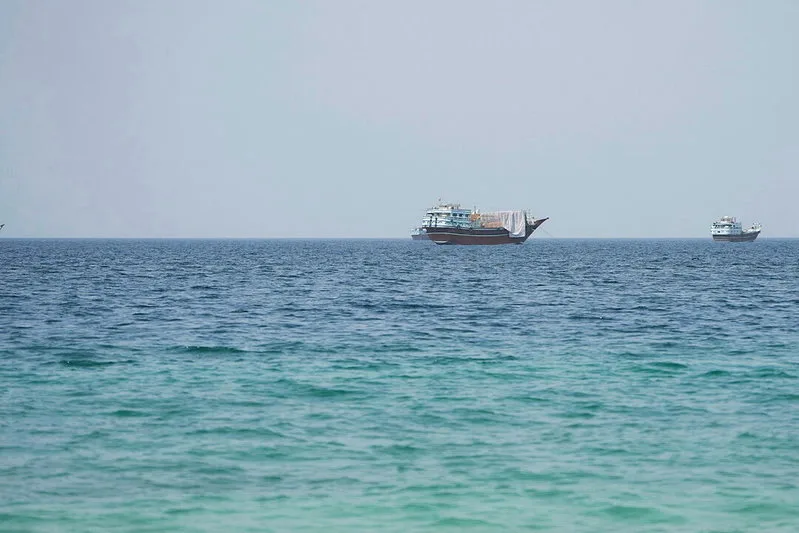
Ship traffic through the Strait of Hormuz fell sharply to about 8 ships on August 11, 2026, far below the pre-war average of 130 to 140 vessels daily, Kpler and Reuters data showed [1, 2]. A US Navy helicopter fired missiles at a Panama-flagged cargo ship near the Gulf of Oman on the same day, enforcing a naval blockade against Iran and forcing the vessel to stop [1, 2].
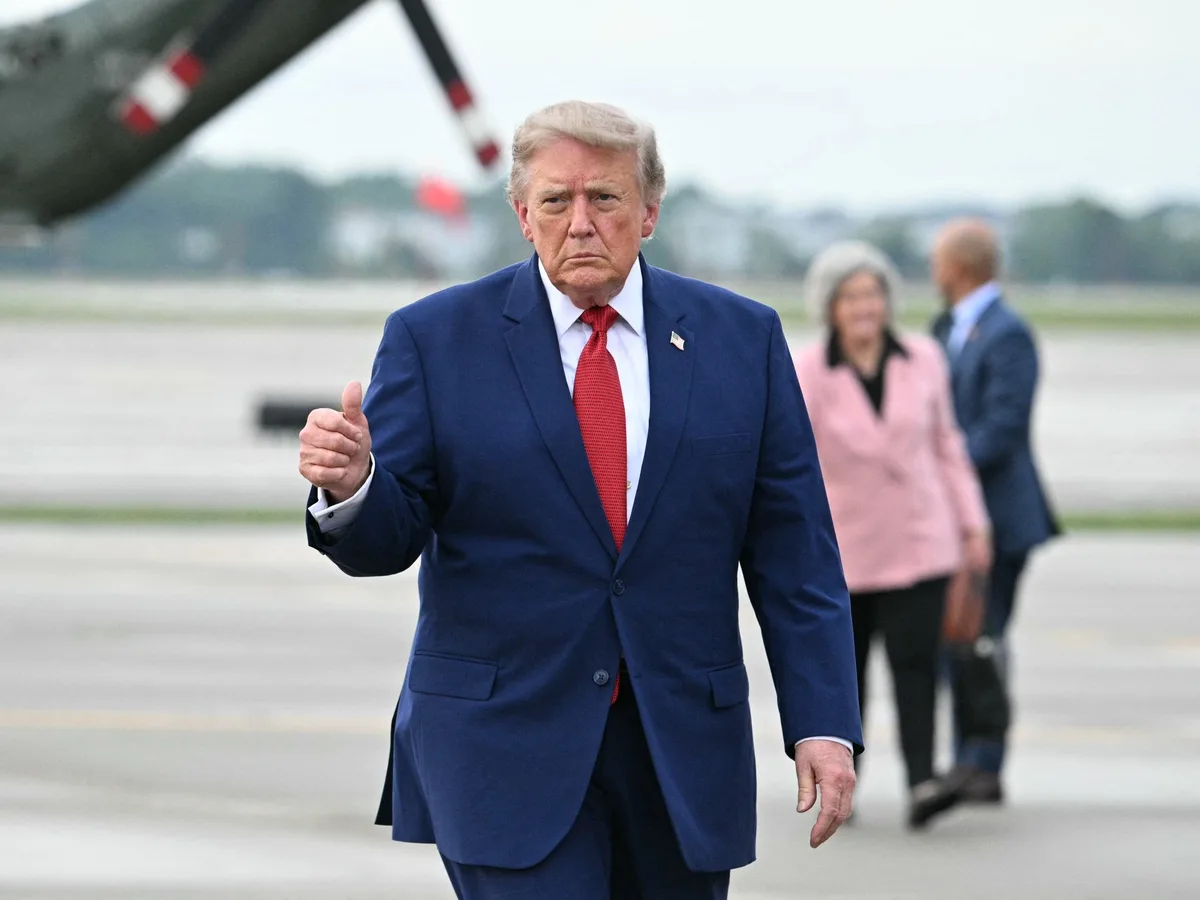
The US claims "total control" of the strait despite reduced vessel transits amid conflict with Iran, with former President Donald Trump stating, "The U.S.A. has total control over the Strait of Hormuz. I THINK WE WILL KEEP IT! Iran is all talk and no action, the Bully of the Middle East No Longer" [1]. However, Iran's top security official Mohsen Rezaei said the waterway "will not open fully until Washington agrees to Tehran's demands," including lifting the naval blockade, sanctions, and unfreezing assets [1, 3].
Kpler data showed a 10-day average of around 12 ships transiting the strait recently, while CNBC analysis reported a five-day average near 13 vessels, close to the three-month low [1, 3, 2]. Energy Secretary Chris Wright noted that private firms likely undercount ships due to vessels moving covertly [3].
Oil exports through the Strait of Hormuz remain substantial, averaging nearly 9 million barrels per day despite fewer ships, helped by large tankers and US military escorts [3]. Overall, Gulf states export about 15 million barrels daily including pipelines [3].
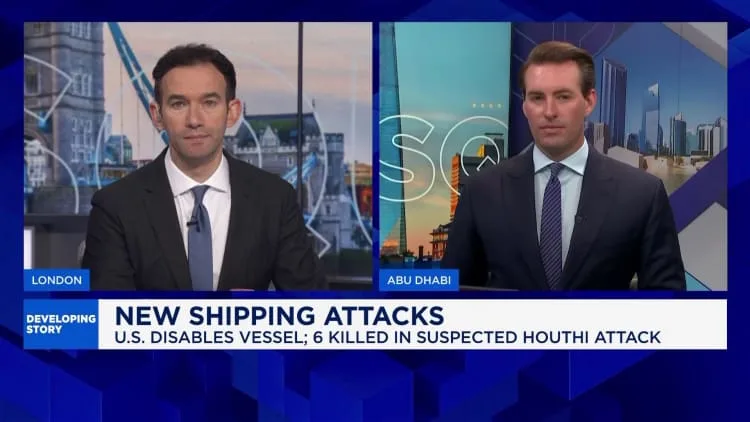
Meanwhile, the Bab al-Mandeb Strait saw increased traffic on August 11, with 30 ships recorded, up from a 10-day average of 25, as shipping rerouted to alternative waterways [2]. However, Yemeni Houthi forces attacked ships in the region that day, killing six people [1, 2].
The conflict escalated after the US and Israel launched war on Iran on February 28, 2026, dramatically reducing Strait of Hormuz transits [1]. After a brief US-Iran Memorandum of Understanding in June aimed at reopening the strait, the deal collapsed by mid-July with resumed hostilities and blockade enforcement [1, 3].
August 11’s latest figures reflect a continuation of the reduced traffic pattern amid ongoing conflict and blockade enforcement. Shipping activity and security conditions in the region remain fluid as tensions persist [1, 3, 2].