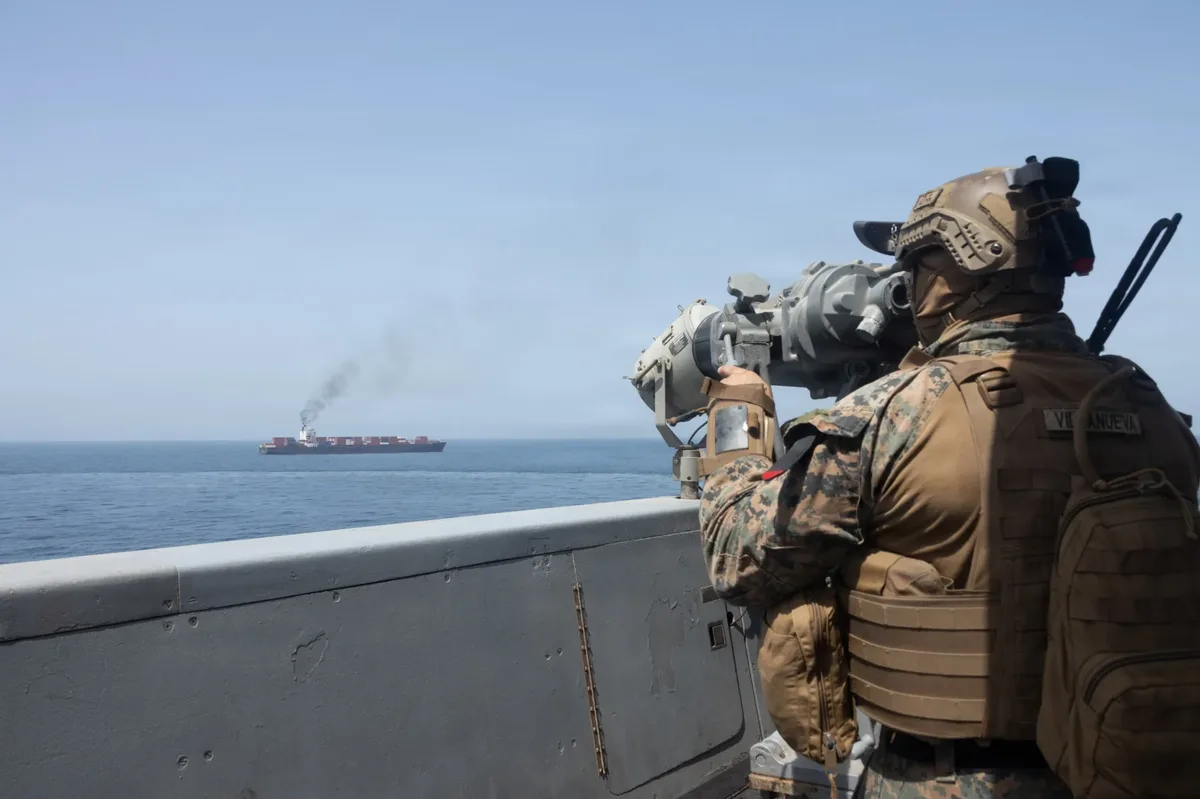
Shipowners reported a pickup in traffic through the Strait of Hormuz this week after more vessels left the waterway, reflecting growing optimism in the shipping sector [1, 2, 3, 4]. At least two shipowners confirmed contact with American military forces, which advised them on how to safely navigate the strategic passage [1, 2, 3, 4]. The US Central Command clarified its role, stating that while US forces do not escort ships, they continue to offer guidance to commercial vessels in the region [1, 2, 3, 4].
A recent transit group encountered suspected Iranian fast boats but managed safe passage after helicopters appeared and deterred the approach [2, 3, 4]. However, Chevron CEO Mike Wirth noted on May 29 that some vessels transiting the strait have recently come under attack, illustrating ongoing risks [2, 3, 4]. US officials reaffirmed on the same day that any arrangements with Iran for safe passage, including those without paying a toll, remain prohibited [2, 3, 4].
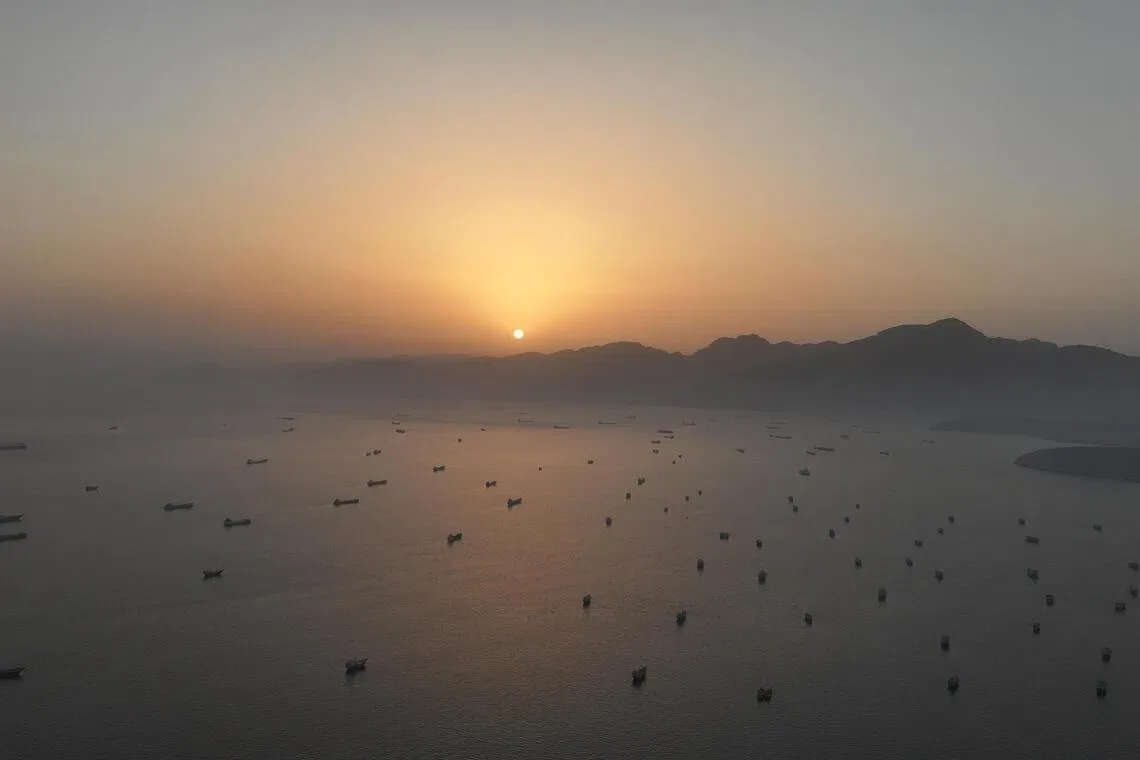
The increase in transits includes ships from companies that had not used the strait since the conflict began, suggesting more businesses are willing to accept the risks to maintain global trade flows [2, 3, 4]. Both incoming and outgoing traffic through the Persian Gulf has seen growth, boosted by regional participants such as the UAE state oil company and Qatar, the latter quietly exporting liquefied natural gas [2, 3, 4]. Some vessels transited with their satellite transponders turned off and have not reactivated them, indicating official ship-tracking data may understate actual traffic volumes [2, 3, 4]. Tracking data shows at least 25% of non-Iranian ships stranded in the strait since the war began have now exited [2, 3].
The greater number of transits could improve the flow of oil, gas, and consumer goods through the region, which has seen constraints since the start of hostilities [2, 3, 4]. Until recently, only vessels operating under bilateral government arrangements or a small number of daring shipping executives sailed through the strait [2, 3, 4].
The effects of the ongoing crisis extend beyond the strait. The Shanghai Containerized Freight Index global composite nearly doubled from late February to 2,572 points by the week ending May 29, driven by strained supply chains amid Hormuz tensions [5]. Bunker fuel prices surged almost 70%, pushing spot container freight rates up by about 59% on Shanghai-Los Angeles routes and 66% on Shanghai-New York routes since late February [5]. Major shipping companies are absorbing hundreds of millions in additional fuel costs monthly. Maersk CEO Vincent Clerc said, "We must find a way to pass through" around $500 million in extra fuel costs caused by the crisis [5]. Hapag-Lloyd CEO Rolf Habben Jansen added, "Rate increases have been roughly in line with the cost increase we have faced" as higher fuel prices are passed to customers [5].
Analysts at Drewry said geopolitical tensions and rising fuel surcharges continue to push costs higher across trade lanes, with demand being pulled forward into June before expected July 1 fuel price adjustments, which supports stronger shipment flows [5].
The latest developments underscore a gradual reopening of the Strait of Hormuz to commercial shipping amid ongoing risks and US military advisories. The coming weeks will show if this uptick in passage continues or faces new disruptions.