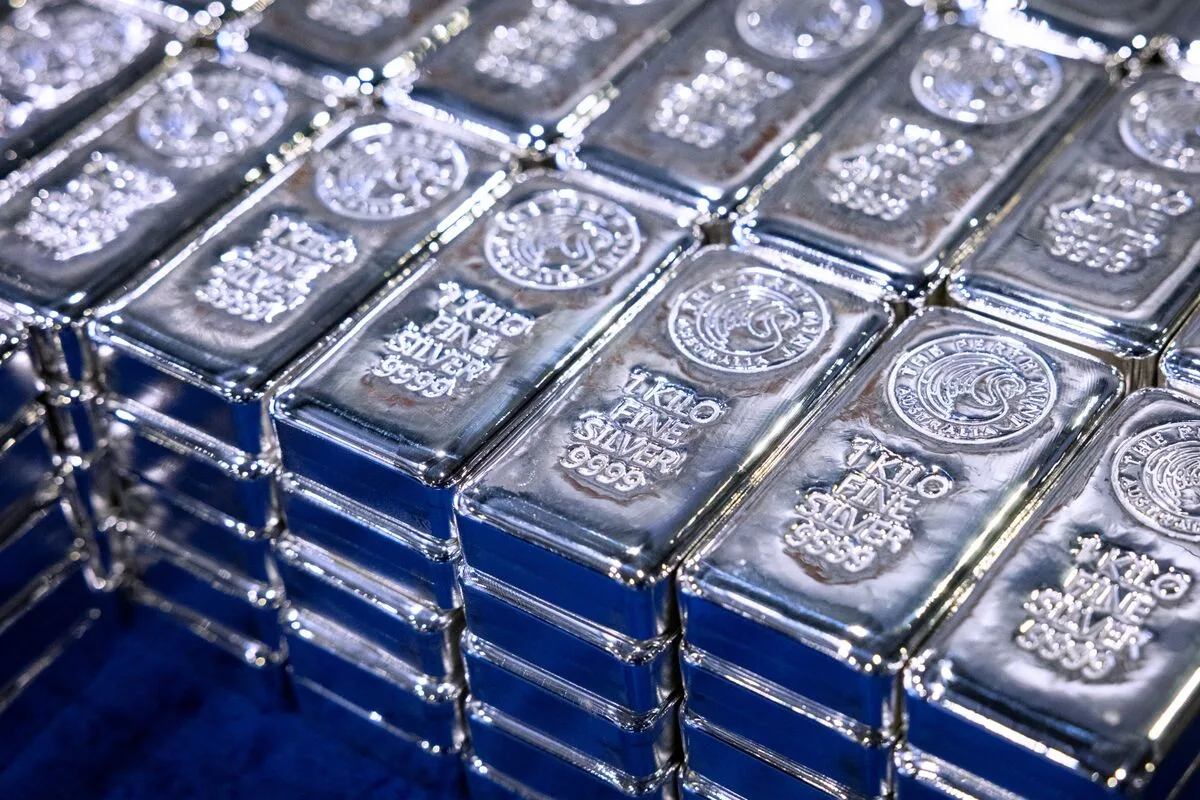
Silver prices fell sharply on Friday, dipping below $80 an ounce after peaking near $90 on Wednesday, their highest level in over two months [1]. Prices Friday ranged between $76.63 and $78 per ounce depending on the source and time, marking a decline of more than 6.5% to over 10% from the early-week high [1, 2]. This selloff followed hotter-than-expected US inflation data released earlier in the week, which raised concerns about further Federal Reserve interest rate hikes [1, 2].
US consumer prices increased 3.8% year-over-year in April, up from 3.3% in March, while producer prices rose 6%, the highest monthly gain since 2022 [2]. These inflation figures drove speculation of rising interest rates, putting pressure on precious metals like silver and gold by increasing the opportunity cost of holding non-yielding assets [1, 2]. Gold prices also fell sharply Friday, down more than 1.8% to roughly $4,543 to $4,568 per ounce [1, 2]. ANZ Group analysts Daniel Hynes and Soni Kumari said “inflation expectations, higher yields and a stronger dollar are likely to keep gold under pressure in the near term” and noted concerns that the Fed might raise rates further after the stronger price data [1].
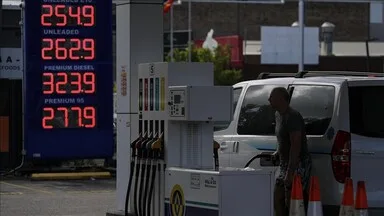
Silver surged earlier in the week from May 11 to 13, supported by investor enthusiasm for artificial intelligence-related and industrial demand for metals. Speculation about fuel availability in Peru also helped push prices higher [3, 1]. However, ongoing disruptions to global energy flows, including the prolonged Iran war and closure of the Strait of Hormuz, have pushed energy prices up and contributed to inflationary pressures [2]. Brent crude oil stood at $108 a barrel Friday morning [1].
There is some discrepancy about the exact silver price on Friday morning. One source reported $76.69 as of 9:45 a.m. EST, with a low of $76.63 earlier, while another noted $77.8 per ounce at 05:45 GMT [1, 2]. Philippe Gijsels, chief strategy officer at BNP Paribas Fortis, said investors are expected to return to gold and silver markets once the "fog of war lifts," referring to geopolitical tensions weighing on prices [1].
Friday’s price movement reflects market reactions to inflation data released today, which showed rising consumer and producer prices and fueled fears of sustained Fed rate hikes [2].