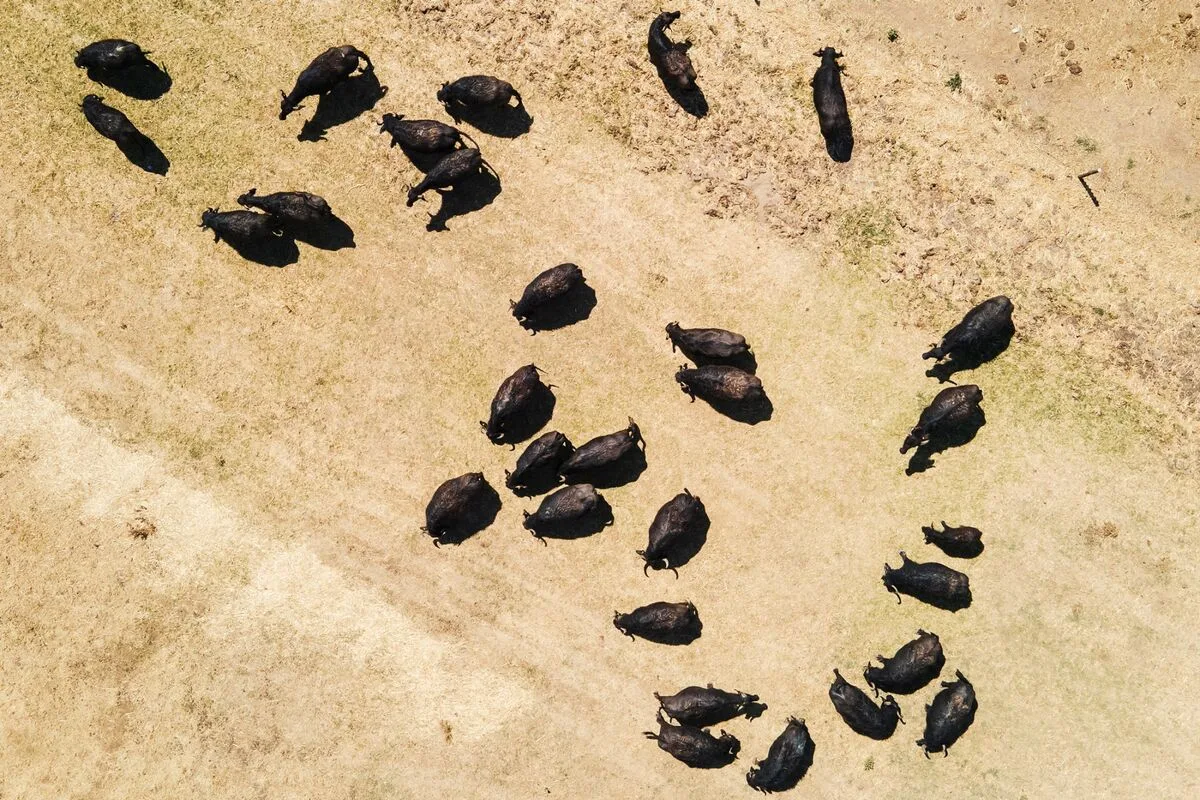
South African farmers are confronting rising costs caused by the ongoing war in Iran, adding financial pressure ahead of potential drought conditions [1]. The region faces a high risk of drought linked to El Niño weather patterns beginning with the summer planting season in October 2026 [1]. Experts warn that the anticipated dry spell could reduce agricultural output across South Africa.
Farmers may see lower crop yields as water availability declines during the crucial planting months. This could drive up food prices domestically due to reduced supply [1]. The combination of price inflation caused by geopolitical tensions and possible climate shocks raises concerns over agricultural stability.
The summer planting season starting in October 2026 coincides with the expected onset of dry conditions linked to El Niño, making this period critical for South African farms [1]. The drought signals increased risks for crop failure and economic strain on farming communities already coping with cost increases.
Authorities and farmers are likely monitoring weather forecasts closely to prepare for these challenges. The overlap of international conflict effects with environmental risks presents a dual threat to the agricultural sector.
Farmers and policymakers will need to plan for water conservation and financial resilience as October approaches, marking the start of a potentially difficult growing season.