SpaceX, OpenAI, and Anthropic are preparing initial public offerings (IPOs) that could contribute close to $4 trillion in new stock supply to US markets in 2026 [1, 2, 3, 4, 5, 6].
SpaceX aims to raise about $75 billion by offering 555.6 million shares at $135 each, targeting a valuation around $1.77 trillion [7, 5, 8]. Its IPO shares will be available to retail investors through brokerages including Charles Schwab, Fidelity, Robinhood, SoFi, and Morgan Stanley’s E*Trade, but each has different rules on minimum purchases and allocation [7].
Anthropic confidentially filed for its IPO in early June 2026 after closing a $65 billion funding round that valued the company at $965 billion—surpassing OpenAI’s pre-IPO valuation of $852 billion [7, 6]. OpenAI has also confidentially filed for an IPO with a target valuation exceeding $1 trillion and expects to list in September 2026 [7, 6].
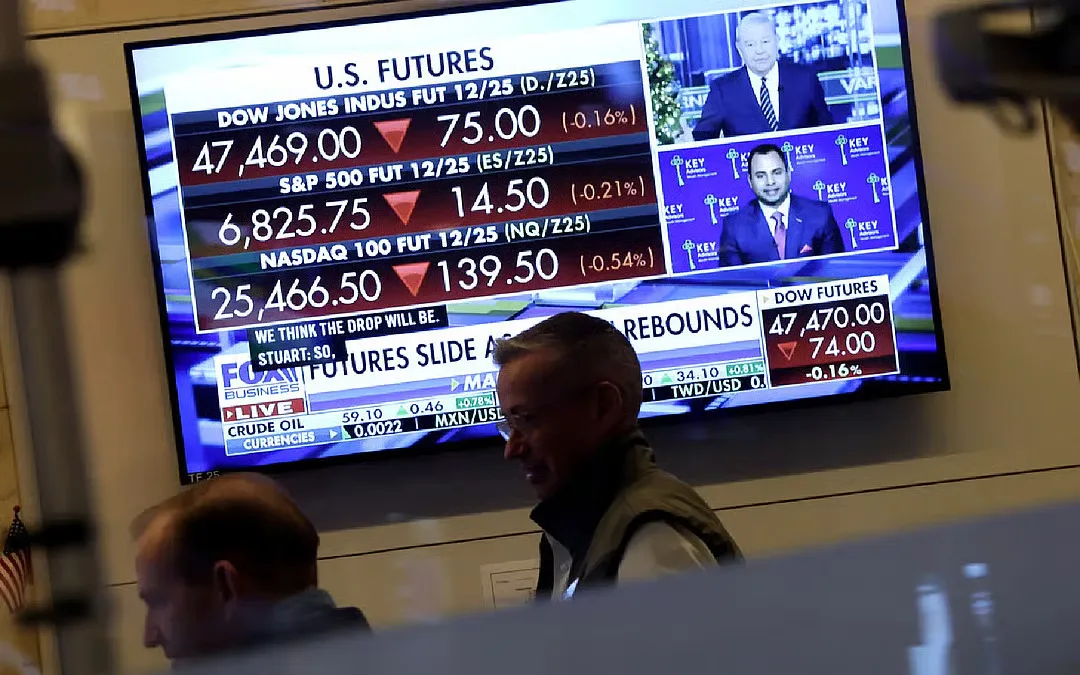
This surge in AI-related fundraising and IPO activity has raised concerns among investors and analysts about whether demand will be enough to absorb such a vast flood of shares. Market volatility and downward pressure on stock prices are possible risks [1, 2, 4, 9]. Meta’s rumored capital raise triggered a 5.5% single-day stock drop, illustrating investor worries about dilution from large funding rounds [1, 2].
Historical data shows large IPOs often initially have a low float under 10%, which typically rises to about 46% after a year. This could increase available stock supply by roughly $1 trillion by 2027 [1, 2, 4]. Nasdaq and FTSE Russell have adjusted index inclusion rules to accelerate the listing of SpaceX, Anthropic, and OpenAI, prompting ETFs to rebalance portfolios ahead of these IPOs. This may boost near-term demand but also risks sell pressure when lockup periods end [1, 2, 4].
SpaceX’s 2025 revenue is projected to grow 33% to $18.67 billion but it still expects a net loss of $4.94 billion due to high capital spending of about $40 billion annually on AI infrastructure [5, 8]. Many recent large IPOs have delivered negative average returns in their first 6 to 12 months, with companies like Lyft, Coinbase, Robinhood, and Rivian suffering major share price declines [5, 8].
Analysts warn the combined effect of these three major IPOs this year will create unprecedented liquidity challenges in global capital markets [6]. The IPO wave is also driving demand for semiconductor makers like Taiwan Semiconductor Manufacturing Company, linking Asian markets to the US AI IPO boom [6].
On June 12, SpaceX is scheduled to officially list on the Nasdaq [7, 5, 8, 6]. OpenAI aims to complete its IPO and begin trading by September 2026 [7, 6].