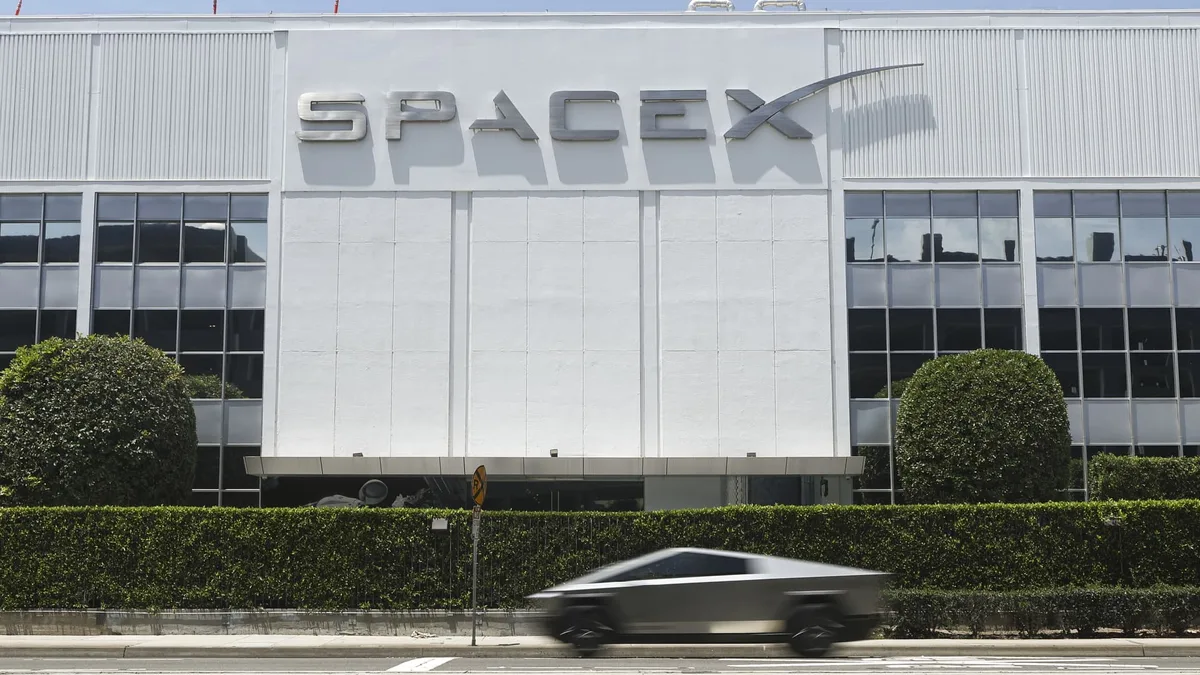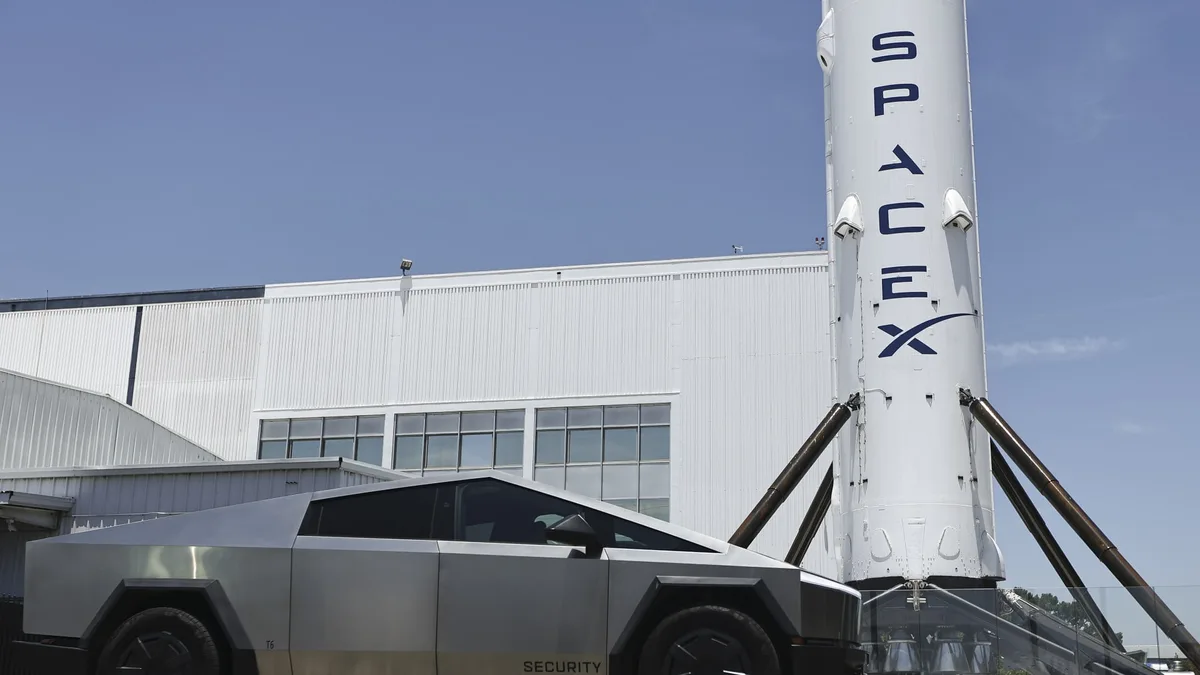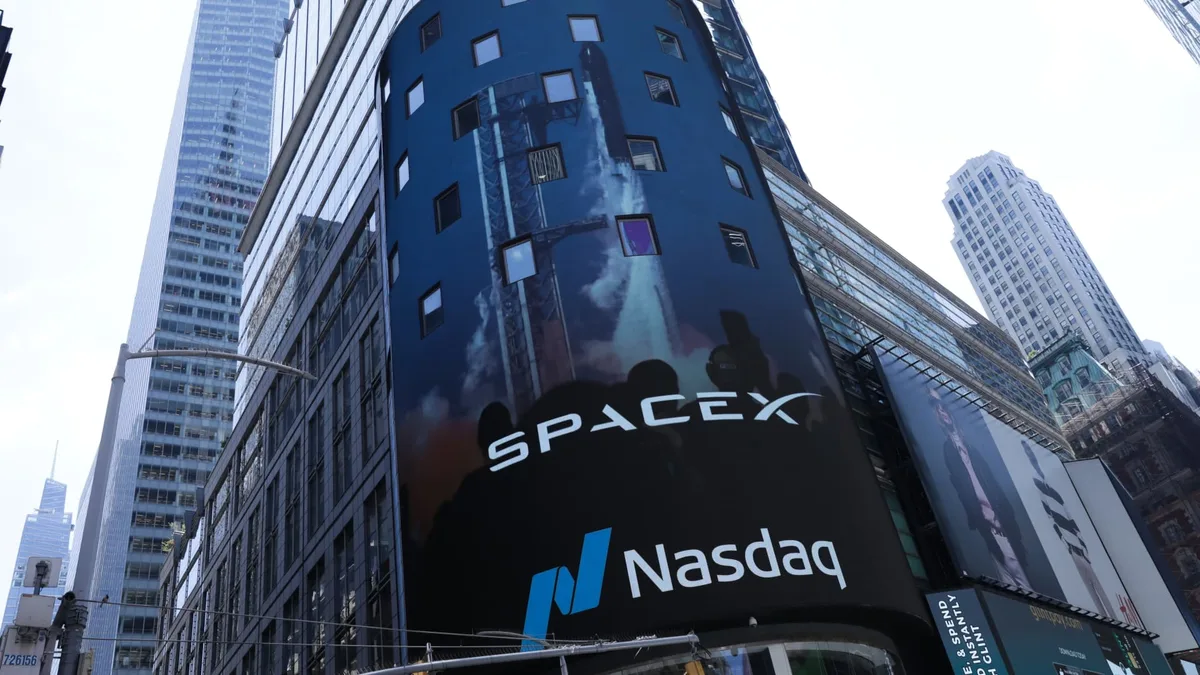
SpaceX made its stock market debut on the Nasdaq on June 12, 2026, opening at $150 per share and reaching a high of $176 by the close, pushing its market capitalization to $2.1 trillion [1]. The IPO fixed sale price was set at $135 per share, reflecting a valuation of $1.77 trillion before trading began [2]. Demand for shares was robust, with the offering reportedly four times oversubscribed, indicating investor demand far exceeded available stock [3, 2].
Financial commentator Jim Cramer described SpaceX shares as a long-term play rooted in Elon Musk's vision for space exploration rather than short-term profitability. He said, "If you're willing to look at this as a different kind of stock, not a short or even medium term investment ... then you've got my blessing" [1]. However, Cramer also voiced concerns about a large segment of investors potentially chasing quick profits. On June 10, he warned that many speculators may not hold their positions even through the day of trading, calling them "new, unguided missiles who can't be controlled" [3, 2].
Cramer cautioned that the stock price could surge too fast due to a mix of institutional demand, retail enthusiasm, and expected index fund buying. He said the valuation could briefly touch $4 to $5 trillion "just as long as it takes to gaffe a marlin" before potentially correcting [2]. On the positive side, he praised the IPO execution by Goldman Sachs and Morgan Stanley, noting that the opening price was reasonably balanced and did not spur frantic flipping or panic selling, calling it "amazing" [1].
The offering’s tight allocation and heavy oversubscription may help limit short-term traders' influence, according to market analysts [3]. The stock's performance in the days following the debut will test whether early demand stabilizes or yields to volatility.
Investors will watch closely as SpaceX settles into public trading after the strong but cautious start, with further developments expected in upcoming quarterly reports and Musk’s next announcements.