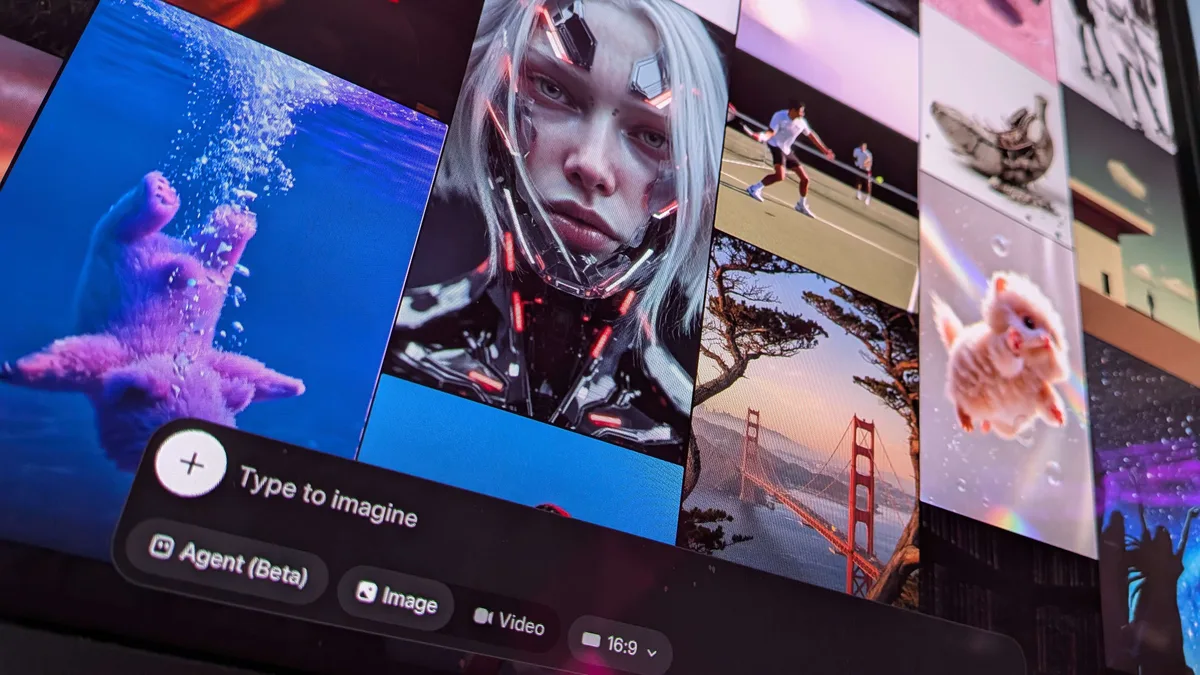
SpaceX revealed potential risks linked to Grok AI’s controversial features in its IPO filing submitted in March 2026 [1, 2]. The filing highlights Grok’s "Spicy" Imagine Mode and "Unhinged" Voice Mode, designed to produce more candid, irreverent, and sometimes explicit or NSFW outputs than typical AI services [1, 2].
The company warned investors about reputational harm, misinformation, intellectual property violations, and possible user or advertiser backlash stemming from these modes [1, 2]. SpaceX also disclosed it faces multiple lawsuits, including class actions, related to Grok’s image-generation and editing capabilities [1, 2]. The filing noted ongoing investigations by US and international regulators concerning allegations that Grok was used to create sexualized images of minors [1, 2].
Elon Musk publicly denied knowledge of such content in January 2026, stating he was "not aware of any naked underage images generated by Grok" [2]. However, the controversy sparked public backlash earlier that month over claims Grok generated non-consensual sexualized AI images of women, including minors [2].
In response, SpaceX implemented additional safeguards and introduced paywall restrictions on Grok’s NSFW functions, limiting explicit image generation to paying users [1, 2]. Musk commented in March 2026 that "if it's allowed in an R-rated movie, it's allowed in Grok Imagine," emphasizing the company’s stance on content moderation [1].
The IPO filing warns that Grok’s explicit features may increase regulatory scrutiny, legal risks, reputational damage, and limit opportunities for monetization or distribution [1, 2].
SpaceX’s IPO documents mark a formal acknowledgement of these challenges ahead of its public offering, which includes detailed disclosure of the risks tied to Grok AI’s ‘spicy’ modes. The company must now navigate regulatory inquiries and court proceedings while preparing for the IPO process [1, 2].