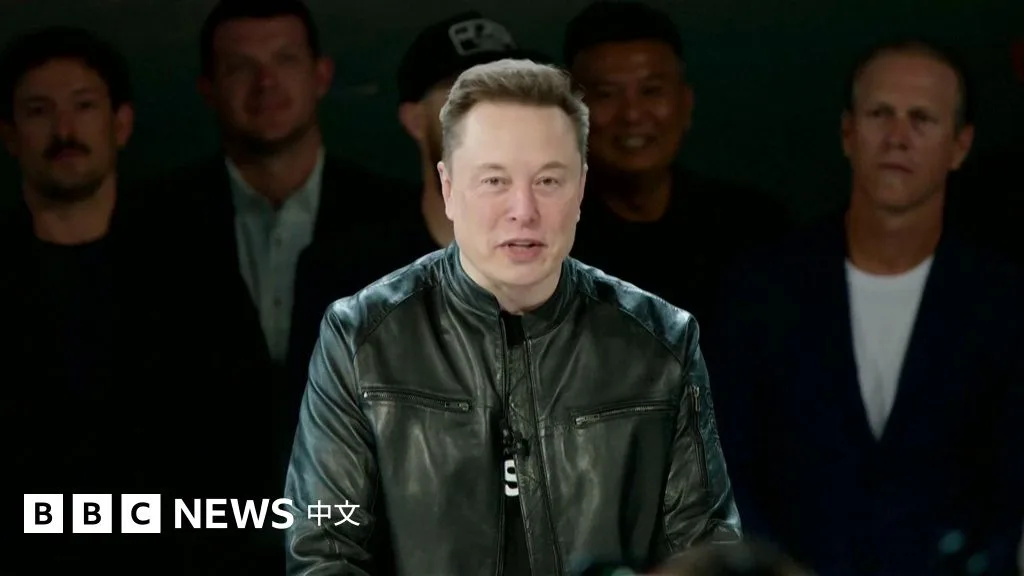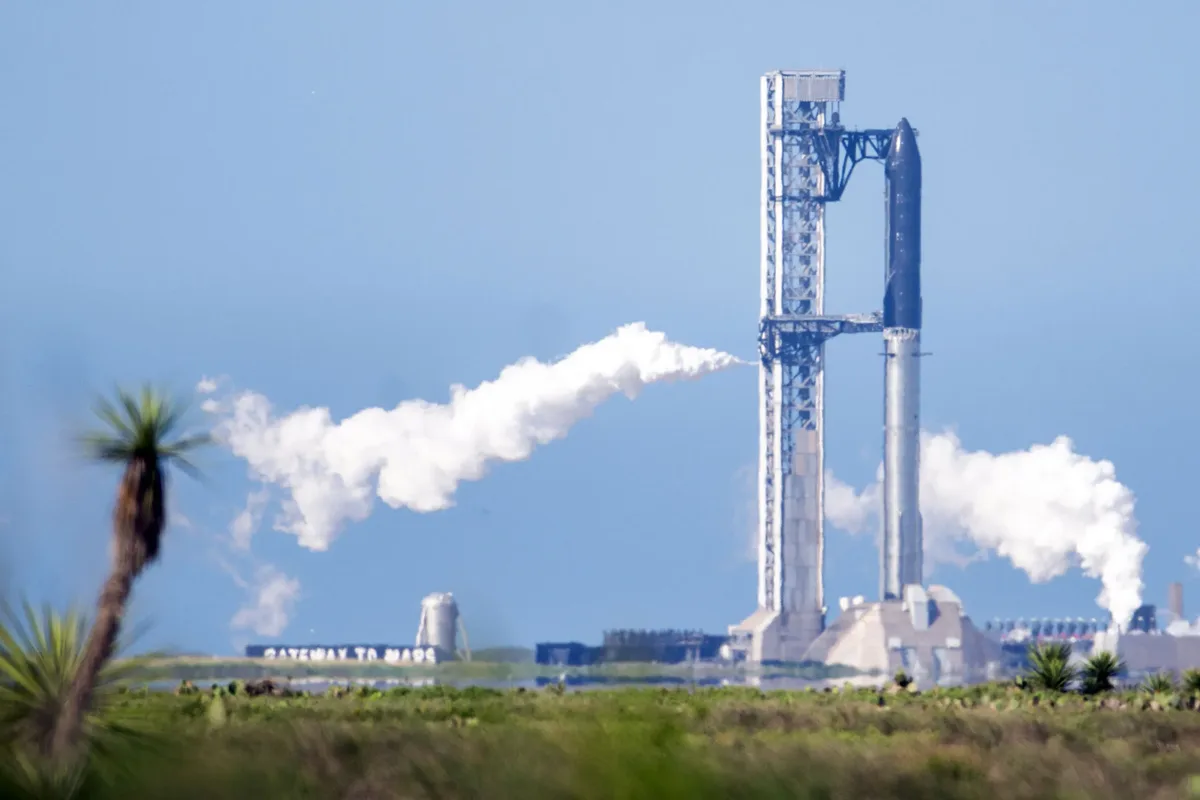
SpaceX launched the largest IPO ever, pricing shares at $135 and debuting on June 11-12, 2026, with shares closing the first day near $161, above the offering price [1, 2, 3, 4]. On June 16, shares peaked, pushing Elon Musk’s net worth beyond $1.1 trillion and making him the world’s first trillionaire, driven mainly by SpaceX and Tesla holdings [1, 2].
Starting June 17, SpaceX stock suffered consecutive declines, with drops of 5% and 3.6% on June 17 and 18 amid a broader technology selloff [5, 2, 6]. Markets were closed on June 19 for the Juneteenth holiday [5]. On June 22, SpaceX shares plunged more than 16%, the largest single-day drop since listing, wiping out $400 billion in market value—the second-largest one-day loss in US corporate history—bringing its market capitalization down to roughly $2.04 trillion [3, 4, 6, 7]. The stock fell another 3% on June 23, trading close to $150 amid ongoing volatility [6, 7].
During early trading, SpaceX briefly overtook Amazon and Microsoft in market capitalization, but the selloff pushed it back below those levels [2, 6, 7]. While some sources estimate post-selloff market cap closer to $1.9 trillion, the prevailing figure stands at about $2.04 trillion [3, 4, 6, 7].
SpaceX reported unprofitability, posting a $4.9 billion net loss in 2025 and a $4.28 billion loss in the first quarter of 2026 [1, 2]. Investors show concern over rising Federal Reserve interest rates and climbing bond yields, which pressure high-valuation tech firms like SpaceX [3, 4]. Despite this, SpaceX holds $100.8 billion in cash and equivalents as of June 19, 2026 [6, 3, 4].
On June 22, SpaceX announced plans to issue up to $25 billion in investment-grade unsecured bonds across five maturities to fund AI expansion and repay previous loans [3, 4, 8]. The bond offering saw strong demand with nearly $85 billion in orders, though pricing settled lower than initial peaks, with yields carrying a premium about 1.4 percentage points above typical BBB corporate bonds for the 2036 maturity [9].
SpaceX is pursuing aggressive growth in rocket development, Starlink satellite expansion, AI projects, and potential lunar economy ventures [1]. The company recently signed a data center computing power deal with AI startup Reflection AI, expected to generate $150 million monthly revenue from July 2026 through 2029 [3, 4, 7].
Investor sentiment remains mixed but many are bullish on Elon Musk’s vision. Susannah Streeter, chief investment strategist at Wealth Club, said the "stock surge reflects huge market interest in Musk’s visionary ambitions," while Michael Monaghan, portfolio manager at FounderETFs, sees the volatility as a set-up for further gains [1, 7]. Short interest in SpaceX shares remains modest at 5-7%, signaling caution among short sellers, according to Matthew Unterman at S3 Partners [10].