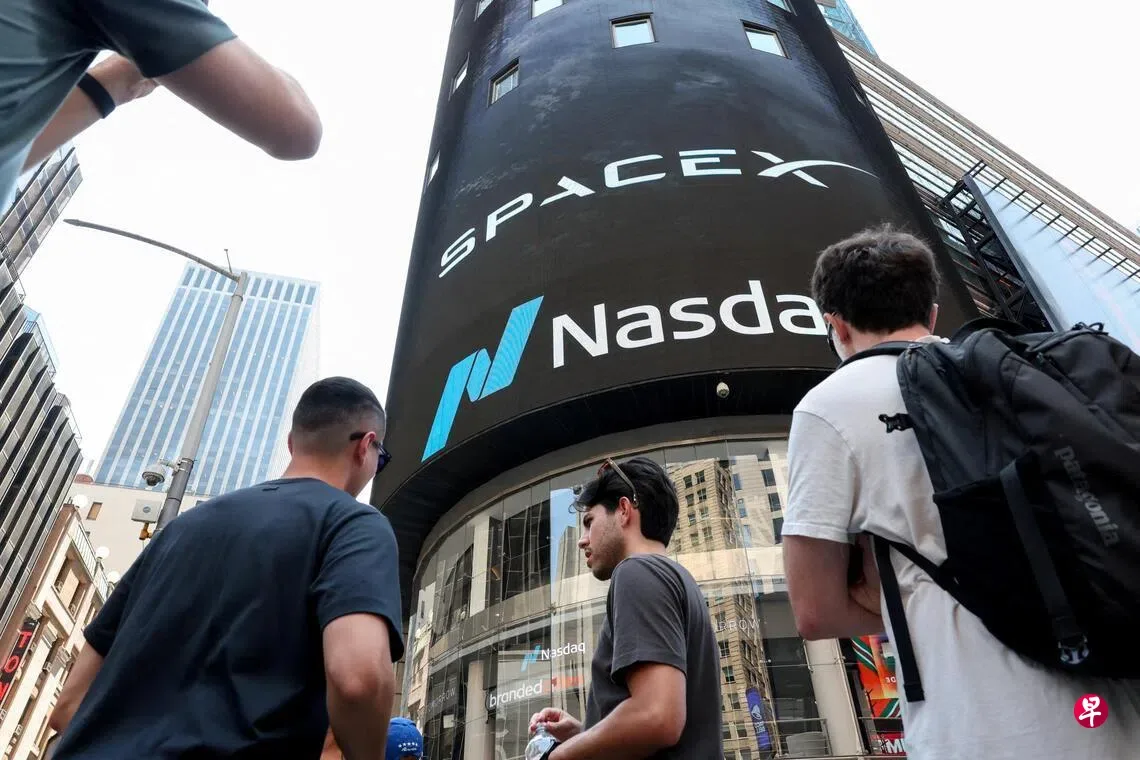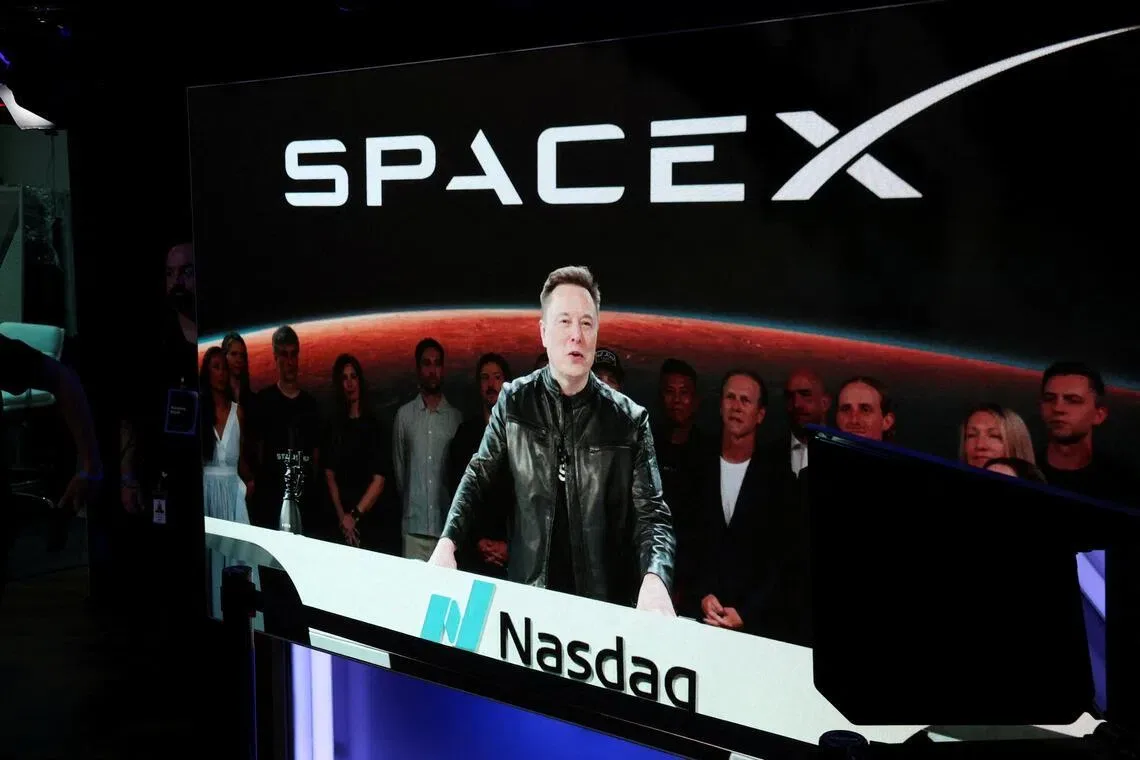
SpaceX shares fell below their initial public offering price of $135 for the first time in mid-July 2026, roughly a month after the company's June 12 IPO that raised $86 billion—the largest in history [1, 2, 3, 4, 5, 6, 7, 8, 9]. The IPO briefly valued the company between $2.1 trillion and $2.6 trillion [1, 2, 5, 6, 8, 9].
Since reaching their post-IPO peak in mid-June, SpaceX lost around $1 trillion in market value, including roughly $320 billion since the IPO closing day [1, 5, 6]. After joining the Nasdaq-100 index in early July, shares declined about 13% or more, pressured by profit-taking, concerns over high price-to-sales ratios, and worries about the company’s large losses and debt-driven AI investments [1, 2, 3, 4, 10, 5, 6, 7, 8].
In June, SpaceX issued $25 billion in bonds to fund AI and technology infrastructure projects, prompting investor unease about rising debt amid Federal Reserve interest rate hikes [3, 4, 10]. The company is expanding its AI capabilities, including a $60 billion acquisition of startup Cursor and leasing computing power to Anthropic and Google [5].
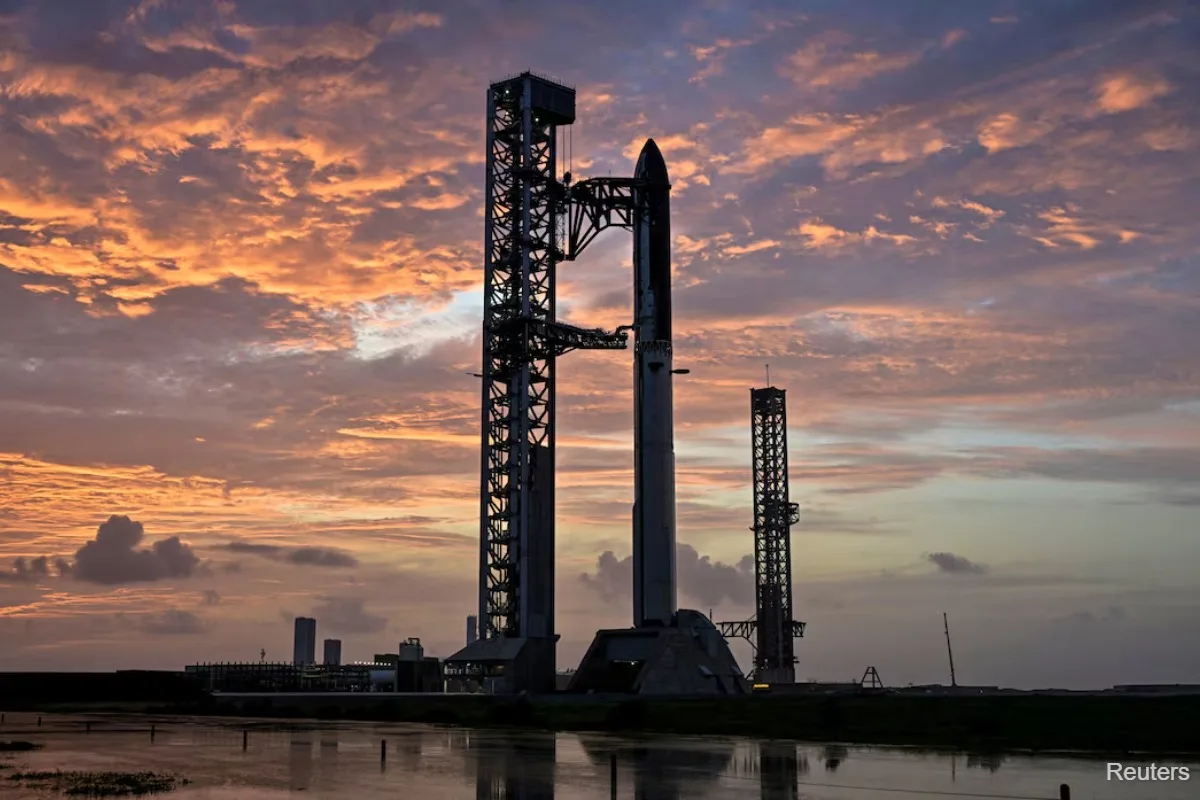
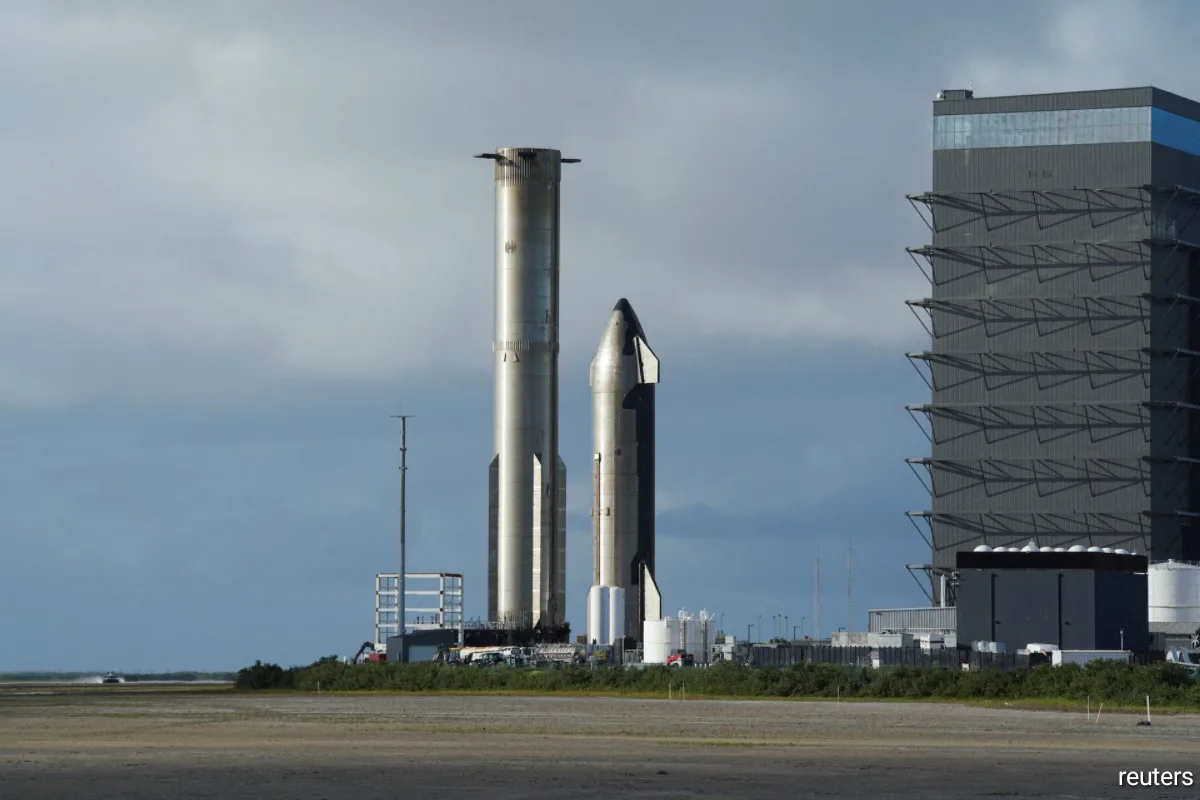
Technical setbacks have also weighed on sentiment. SpaceX aborted its 13th Starship test flight on July 16 after about four of the 33 Raptor engines on the Super Heavy booster failed to ignite moments before liftoff [11, 6, 12, 9]. CEO Elon Musk said, "Some of the engines didn't start, triggering an automatic launch abort. To be confident of a good flight, 2 Raptors will be removed & replaced. Most probable launch timing is early next week" [11]. The aborted launch contributed to shares closing below the IPO price at $131.11 on July 16 [11, 6, 12].
Market experts note that selling pressure also stems from insiders and employees preparing to sell more than 911 million shares following lockup expirations after SpaceX's upcoming first quarterly earnings report, expected in August [6]. Ken Mahoney, CEO of Mahoney Asset Management, said, "We still don't think SpaceX has found its low. There will be continuous supply coming on in the coming months, and you would have to monitor how much demand would be there as you move down the quality spectrum" [1]. Justus Parmar, CEO of Fortuna Investments, added, "There's a lot of folks that are in the stock and maybe some of them or a good number of them are wanting to take some liquidity, which is essentially putting a lot of pressure on the stock" [3].
Some strategists see the recent price drop as a correction after initial hype, rather than a reflection of near-term fundamentals. Matt Maley, Chief Market Strategist at Miller Tabak, said, "The stock price decline is a psychological blow reinforcing the idea that the price was based on hype, speculation, and frenzy rather than fundamentals" [10].
SpaceX is expected to report its first quarterly earnings since going public in August, a key upcoming event that may influence stock performance amid continued market volatility [2, 6].