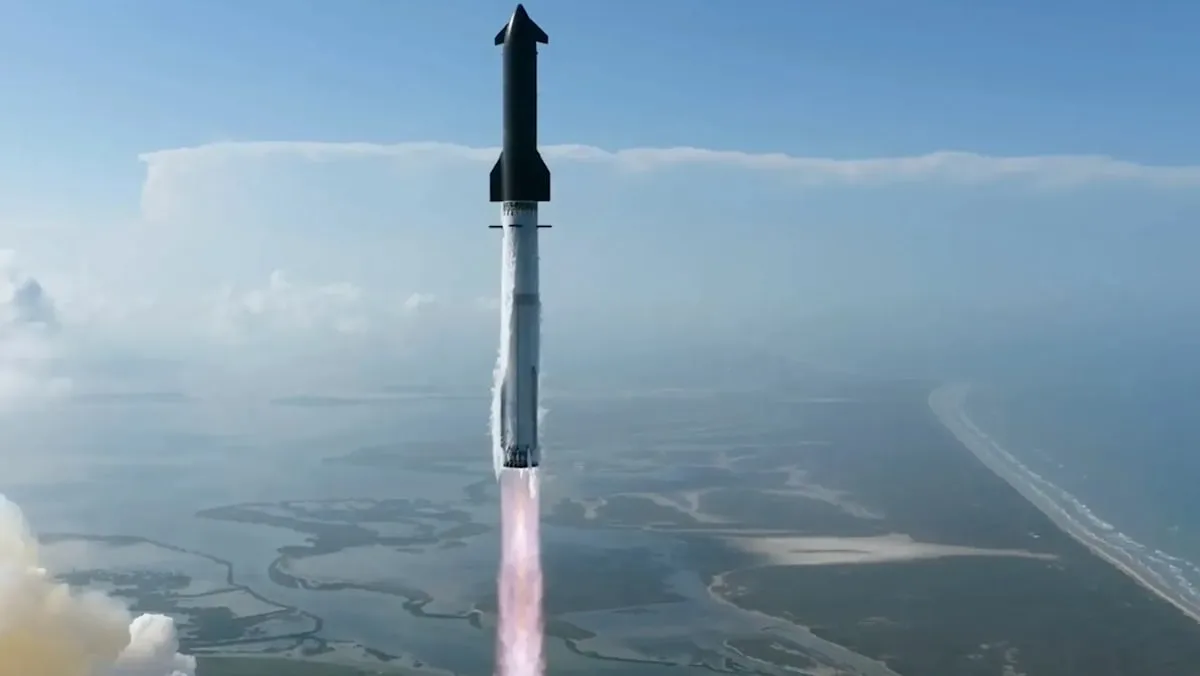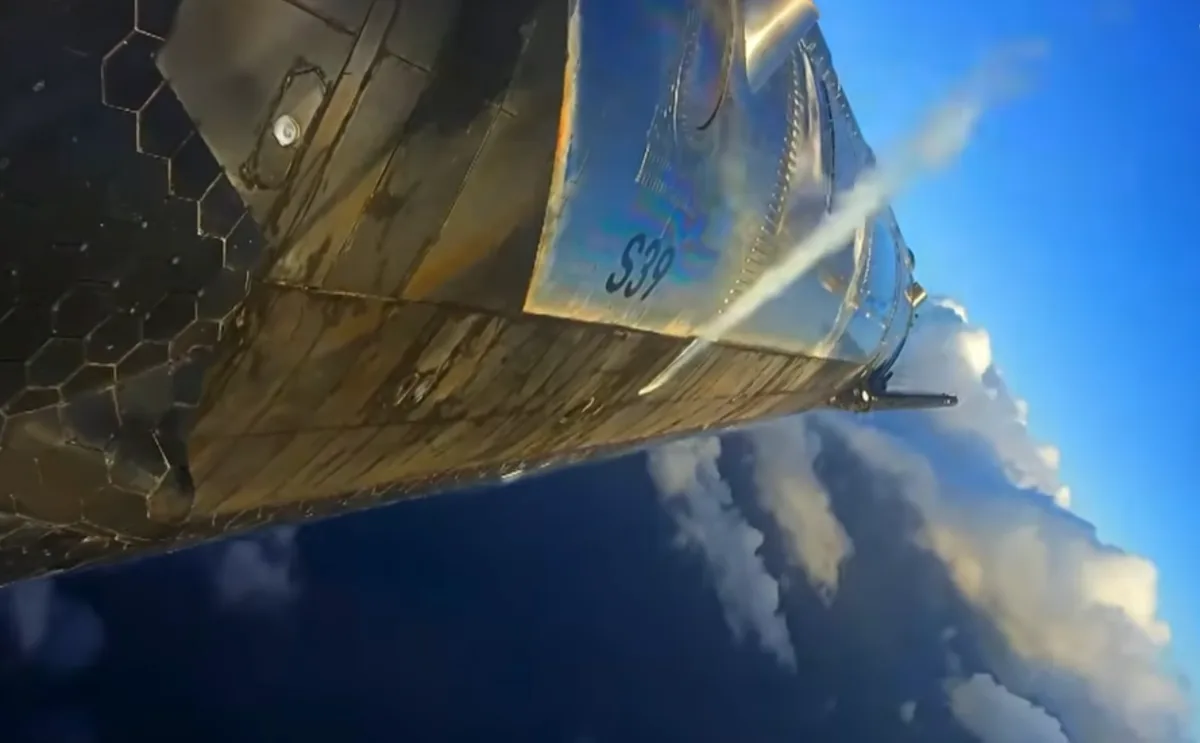
SpaceX conducted the 12th prototype test flight of its Starship V3 on May 22, 2026, successfully releasing a mock satellite and completing a controlled splashdown of the spacecraft. However, the Super Heavy booster was lost in the Gulf of Mexico, failing the recovery attempt [1]. This flight was the first for the V3 prototype, advancing SpaceX’s goal of a fully reusable super heavy-lift launch system. The company has invested approximately $15 billion in Starship development to achieve this objective [1].
SpaceX’s Starlink satellite communications business generated $11.4 billion in revenue over the past year, making it the company’s main source of income. Since early 2023, SpaceX invested over $11.4 billion in Starlink’s satellite business, surpassing the $8.4 billion spent during the same period on Starship and launch infrastructure [2].
An S-1 filing from SpaceX acknowledges that full reusability of Starship isn’t strictly required to launch new Starlink satellites, but the lack of full reusability would raise launch costs and reduce the attractiveness of the business [2]. Market analysts see Starship as critical to reducing launch expenses, supporting the deployment of Starlink satellites, building AI infrastructure, and enabling future lunar and Mars missions [1].
Concerns remain about technical challenges, delays, and whether full reusability can be achieved to permit scalable and economical Starship operations [1]. These issues factor into investor assessments ahead of SpaceX’s planned initial public offering.
SpaceX is scheduled to begin its IPO roadshow on June 4, 2026, aiming to raise up to $80 billion, which could be the largest IPO in history [1]. The upcoming offering will test how the market values SpaceX’s diverse business lines and ambitious development goals amid these operational uncertainties.