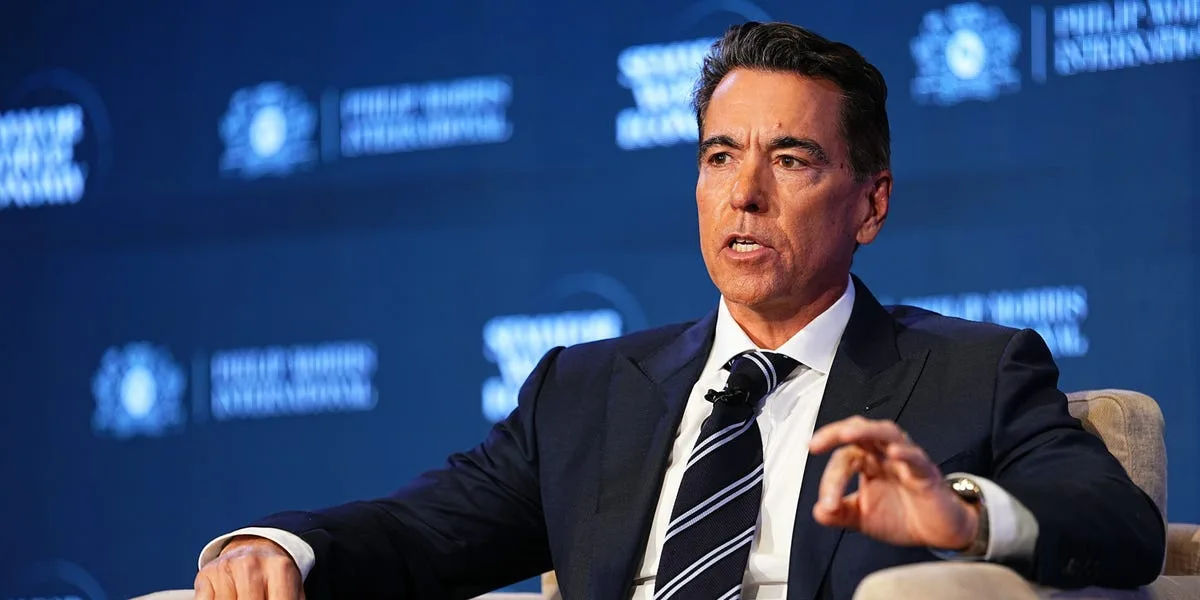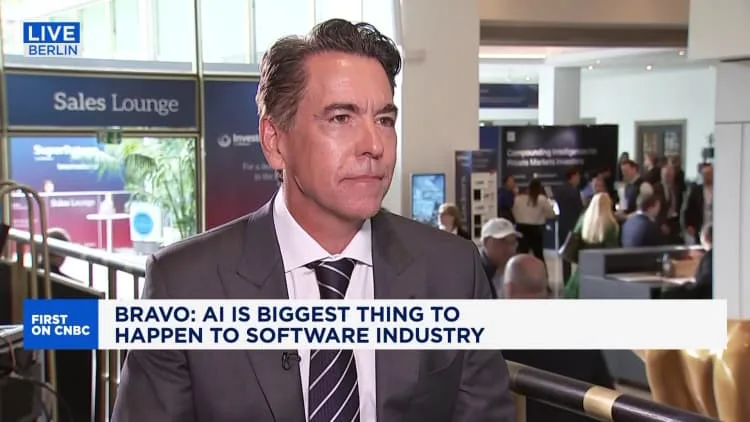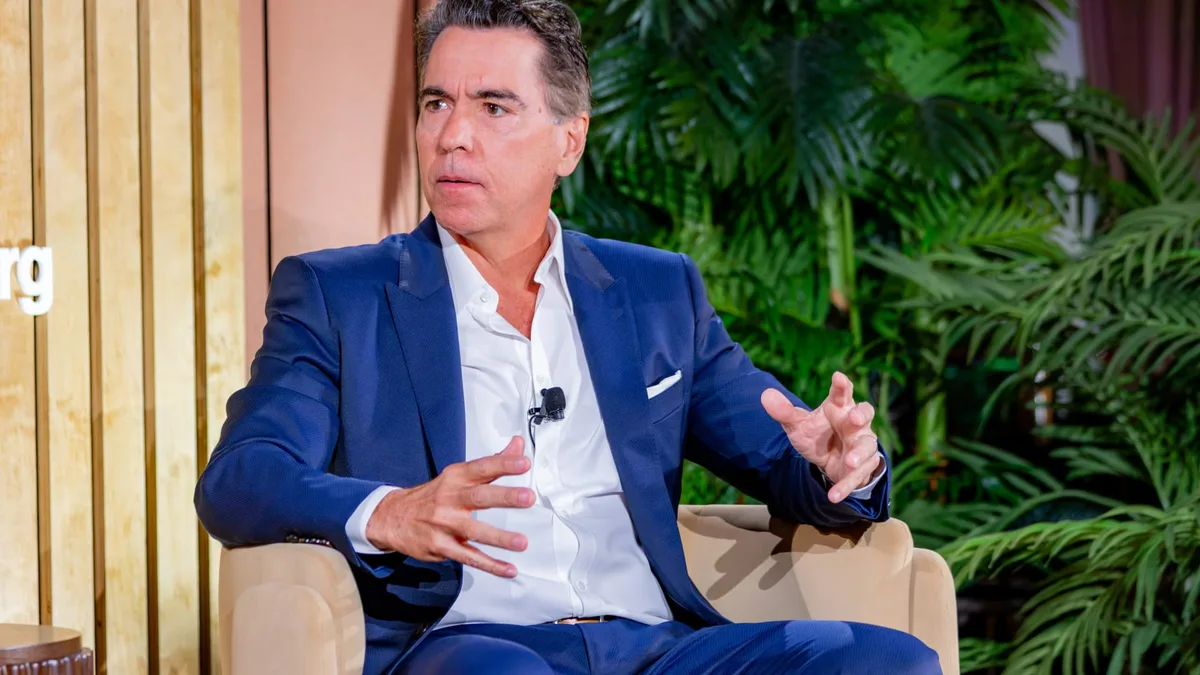
Orlando Bravo, founder of private equity firm Thoma Bravo, said AI is transforming the roles of junior associates by automating routine tasks. This allows young employees to focus on higher-level thinking and deal execution, which helps them mature faster in their careers, Bravo told CNBC at the SuperReturn conference in Berlin on June 9, 2026 [1, 2].
Bravo noted that AI enables him to complete tasks quickly without disturbing junior staff late at night, improving their work-life balance. "I bother them a lot less, because at midnight I can do something really quickly with AI, instead of calling them to do it in the middle of the night, which improves their life anyway, which is what they want," he said [2].
Contrary to concerns that AI would reduce entry-level jobs, Bravo argued it creates more work and requires more hires at Thoma Bravo, which manages over $180 billion across its portfolio and employs about 220 people [1, 2]. "For young people, AI is going to be amazing, and I'm very, very upset that some people say that it'll destroy entry-level jobs," he said [1].
He added that junior associates are increasingly engaging directly with CEOs and involved in strategic work beyond spreadsheet analysis. "If you define the role of an associate as just doing a spreadsheet, you don't need that, but our associates are now calling on companies a lot more, they're developing relationships with CEOs, and we need a lot more of them," Bravo said [2].
The comments come as broader concerns rise about youth unemployment linked to AI disruption and layoffs. In the U.S. alone, over 50,000 AI-related layoffs occurred in 2025. Major tech companies like Meta plan workforce reductions of about 10% alongside $135 billion in 2026 AI infrastructure spending [1].
Thoma Bravo’s approach reflects a growing trend of integrating AI to augment work rather than simply replace workers. The firm expects to continue hiring junior associates whose roles now blend technology use with deeper business engagement [1, 2].