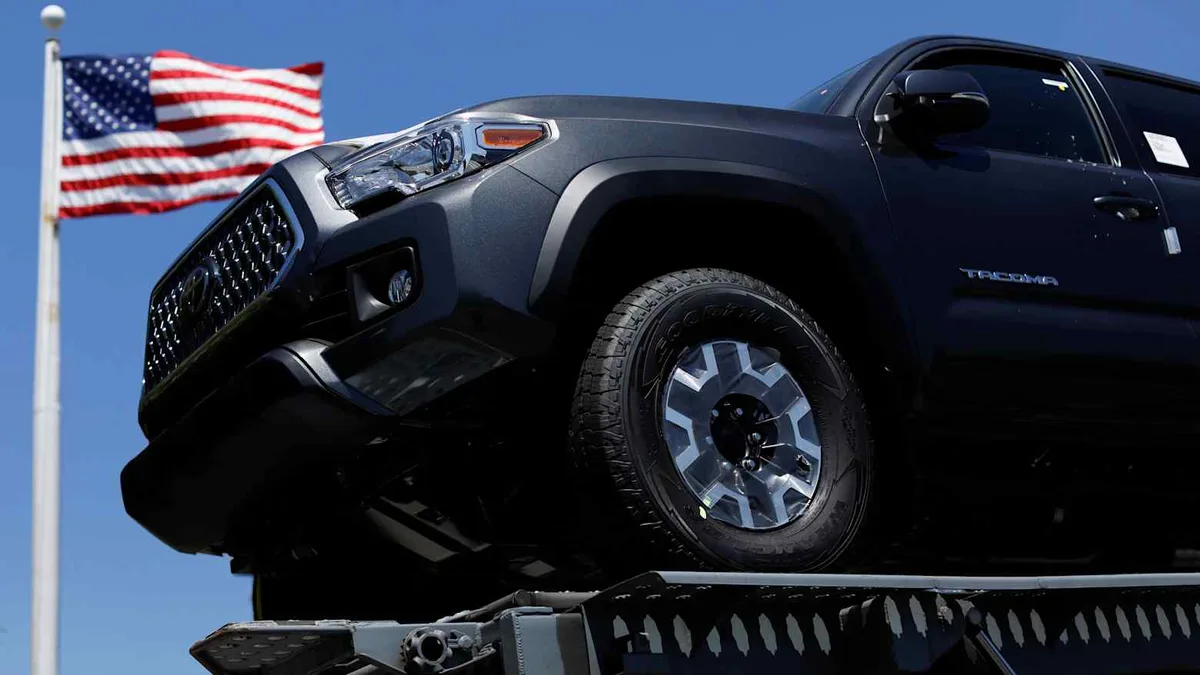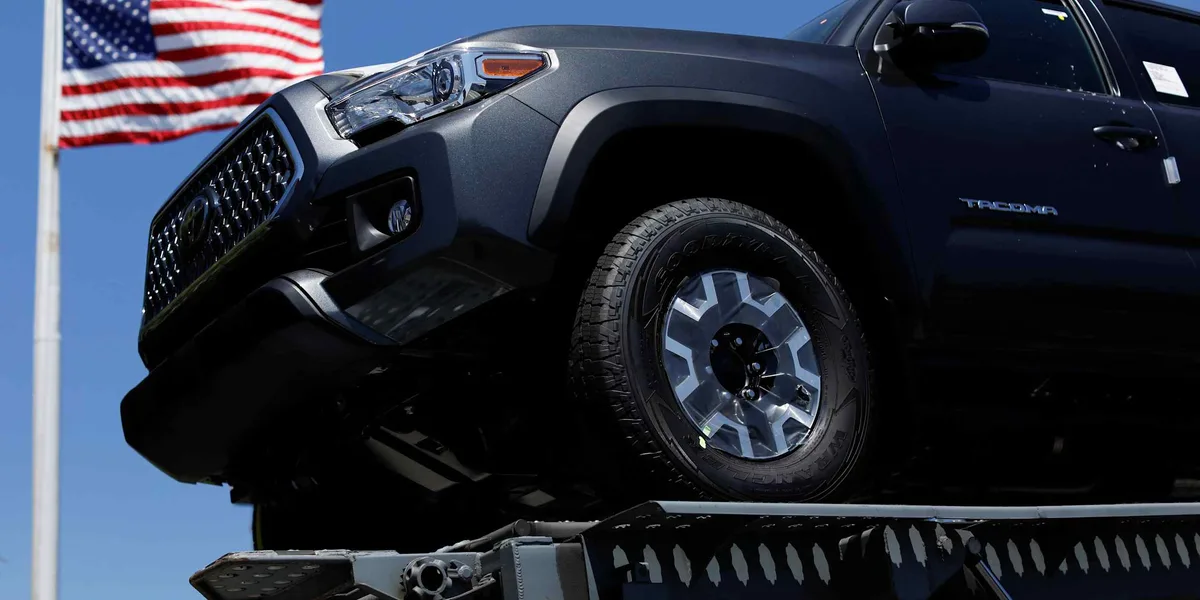
Toyota announced on July 6 a $3.6 billion investment to expand its San Antonio, Texas plant and move some production of the Tacoma pickup truck from Mexico to the United States [1, 2, 3]. The move will add 2.5 million square feet to the site, effectively doubling Toyota’s Texas footprint by 2030, and is expected to create approximately 2,000 new jobs [3].
As part of the expansion, Toyota plans to add a second vehicle assembly line at the San Antonio plant, with the Tacoma production shift expected to take place over roughly four years [3]. However, the company will continue to produce some Tacoma models and Corolla vehicles in Mexico, maintaining operations there despite the shift [3].
Toyota sees the investment as a vote of confidence in the US region’s workforce, innovation, and long-term growth potential. Ted Ogawa, President and CEO of Toyota Motor North America, said the investment "reflects the company's confidence in the region's workforce, innovation, and long-term growth potential" [3].
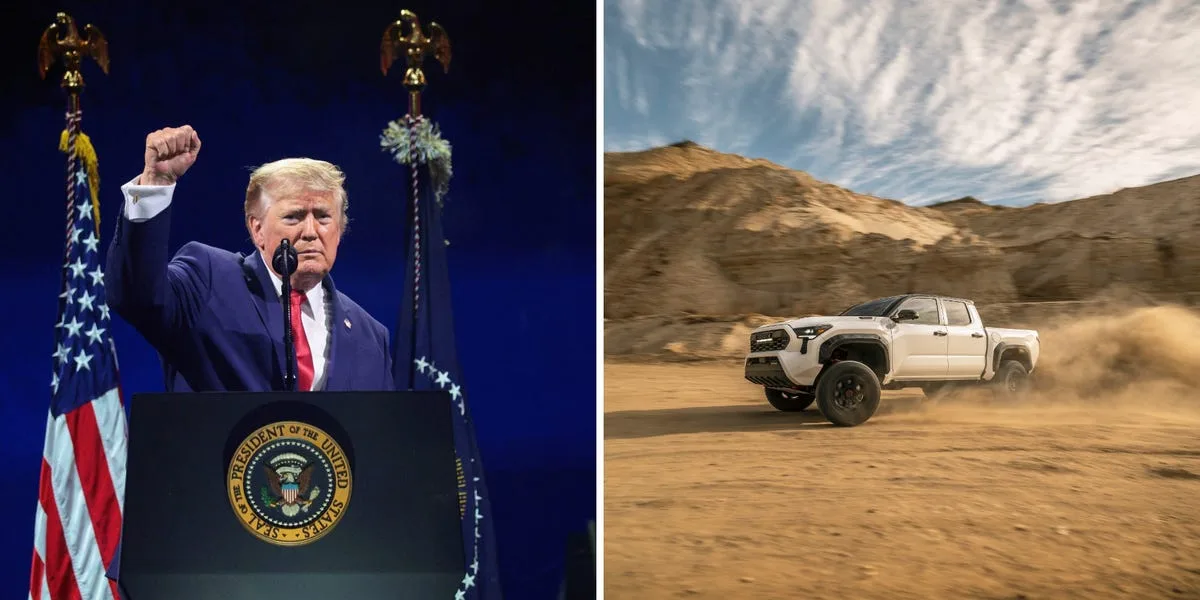
The production shift is widely seen as a response to tariffs the Trump administration imposed on foreign-made vehicles. In April 2025, the administration raised tariffs to 27.5%, which were later reduced to 15% for Japanese vehicles starting September 2025 [4]. President Donald Trump took credit for encouraging the move back to the US, saying, "Toyota is moving from Mexico to the United States (Texas!). A really big deal. Tariffs at work." He also said, "It's amazing. That's what tariffs do, properly used." [3, 4]
The production changes come amid ongoing uncertainty around the USMCA trade agreement. The US declined to renew the agreement in its current form on July 1, 2026, triggering a review and potential modifications. Toyota supports a quick resolution to keep North America's automotive sector competitive [3].