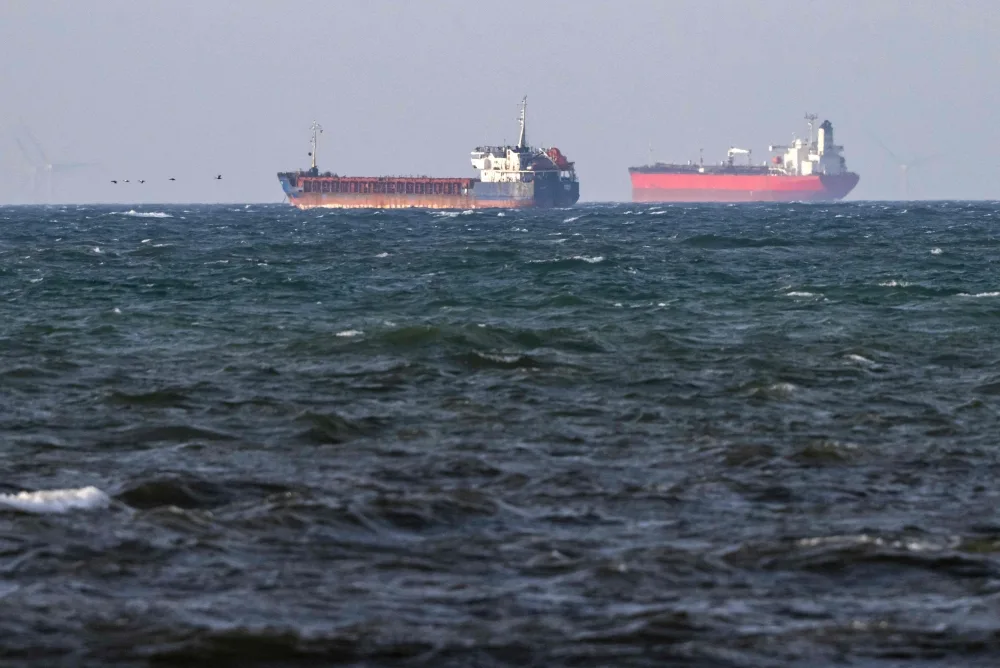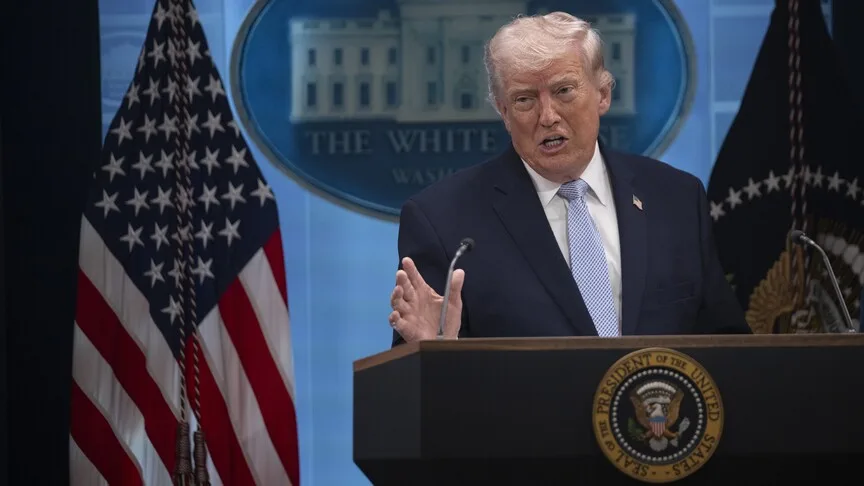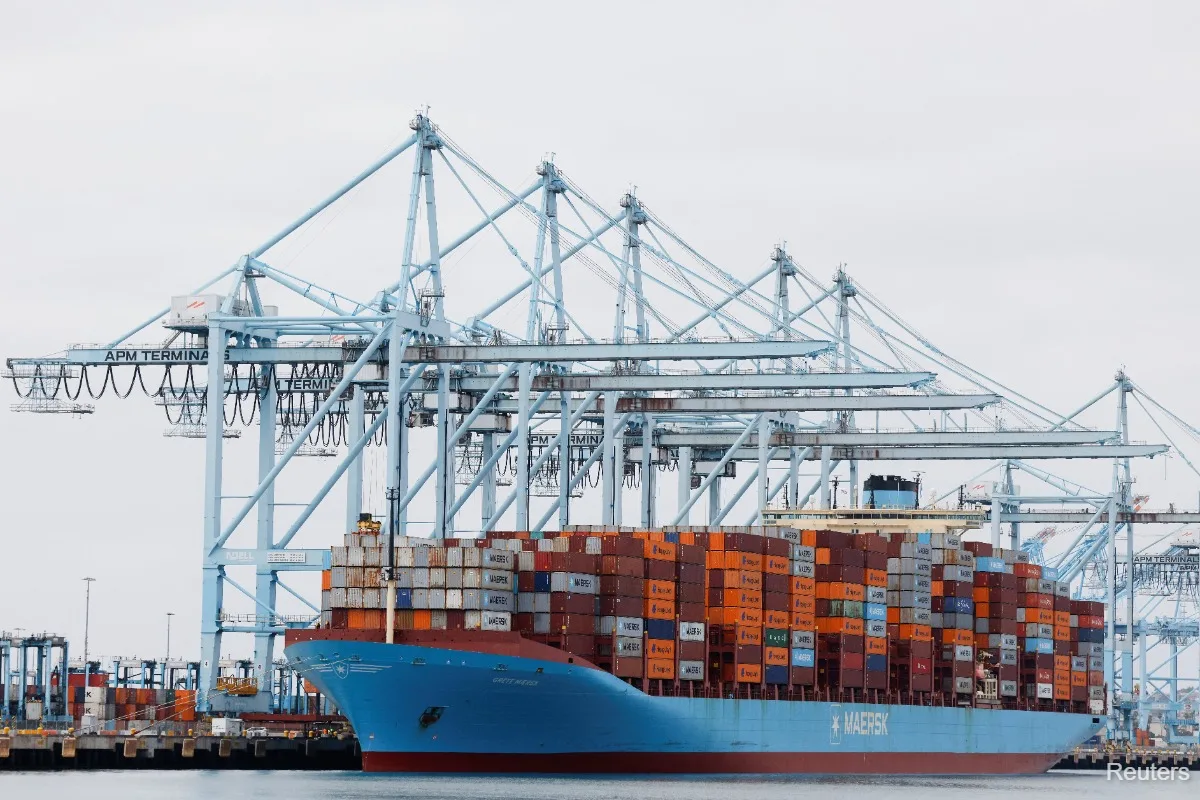
President Donald Trump extended the Jones Act waiver on August 10, 2026, allowing foreign-flagged vessels to transport certain energy products between U.S. ports for 90 more days, until mid-November 2026 [1, 2, 3, 4, 5]. Originally set to expire on August 16, the waiver aims to ease fuel transportation bottlenecks amid disruptions caused by the war with Iran [1, 3, 5].
Unlike previous extensions, the new waiver narrows the scope by limiting it to specific voyages involving certain energy resources and mandates case-by-case approvals to protect the U.S. domestic maritime industry, including shipbuilders and shipping companies [1, 2, 3, 4, 5]. The Jones Act, enacted in 1920, requires goods moved between U.S. ports to be shipped on vessels that are U.S.-built, -owned, and -crewed [1, 2, 3, 4, 5]. According to White House spokeswoman Taylor Rogers, "Today, the Trump Administration issued a 90-day extension to the Jones Act waiver to ensure our military and key industries maintain uninterrupted access to critical resources" [4].
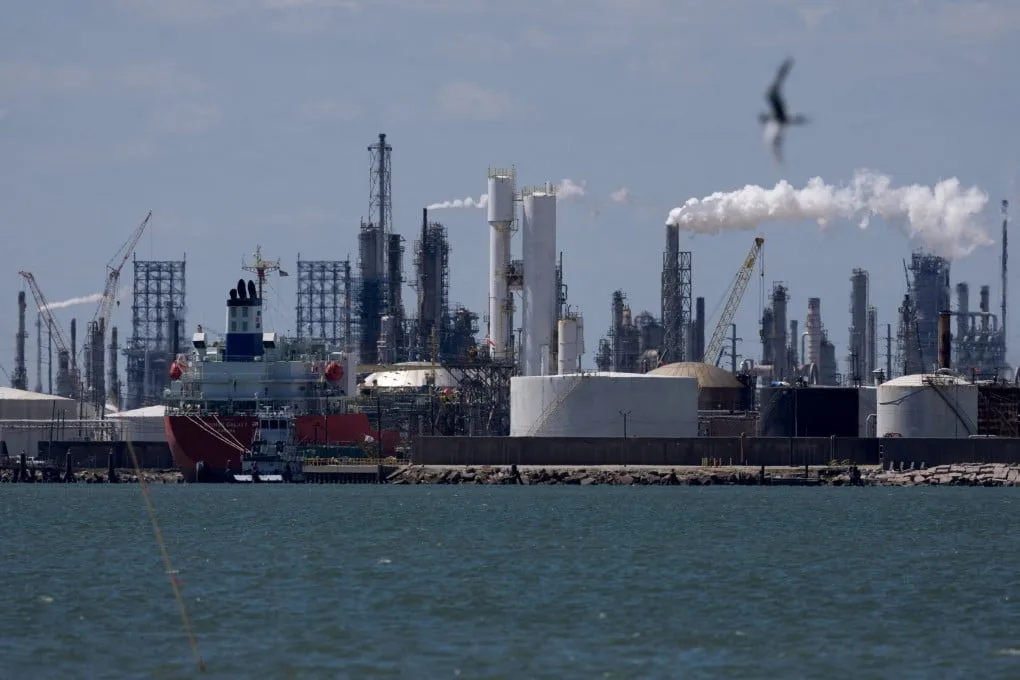
Since the initial waiver issued on March 17, 2026, approximately 210 foreign vessel voyages carrying energy products such as gasoline, diesel, and jet fuel between U.S. ports have been completed, moving over 54 million barrels [3, 4, 5]. Rogers added, "Data shows the waiver has driven a significant increase in domestic deliveries of essential products such as gasoline, diesel, and jet fuel" [1, 2, 4, 5]. Kristin Whitman, senior vice president at the American Petroleum Institute, praised the extension as vital for maintaining energy supply security and protecting consumers from price spikes [3].
The waiver responds to global crude flow disruptions, including the near closure of the Strait of Hormuz, which have sent oil prices soaring and forced the U.S. Strategic Petroleum Reserve down to its lowest since 1983, with a recent drop of about 6.1 million barrels to 298.7 million barrels [1, 4, 5]. The administration views the waiver as key to reducing domestic fuel bottlenecks and mitigating rising energy prices [1, 2, 4, 5].
The waiver has faced concern from the maritime sector over preserving domestic shipping interests, prompting the move to case-by-case approval for new voyages [1, 3, 5]. The current waiver will remain in effect until mid-November 2026 unless further extended or altered [3, 5].