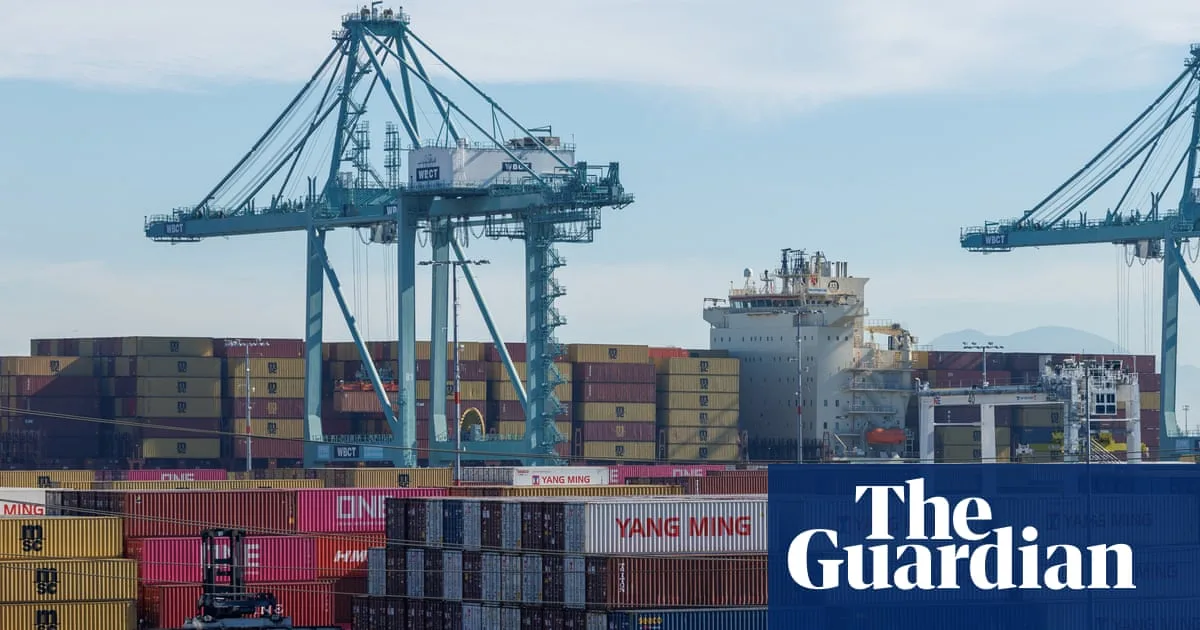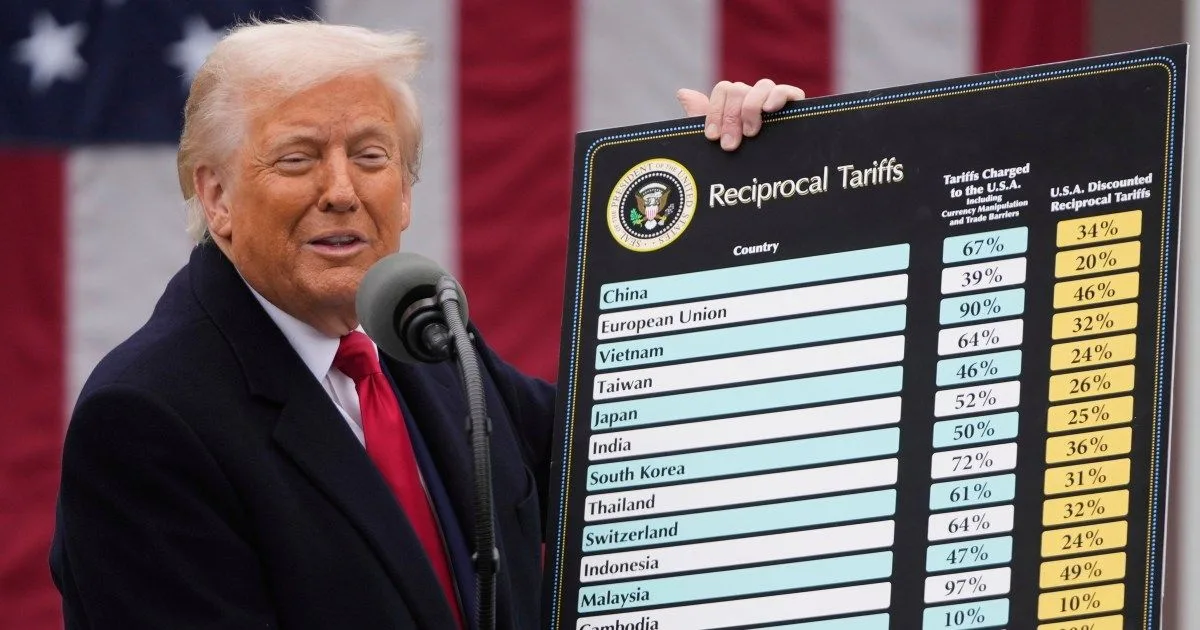
The Trump administration has refunded roughly $100 billion of tariffs collected under the International Emergency Economic Powers Act (IEEPA) before the U.S. Supreme Court invalidated these tariffs in February 2026 [1, 2, 3, 4, 5, 6, 7, 8].
The Supreme Court ruled on February 20, 2026, that imposing broad tariffs using IEEPA was unauthorized, striking down approximately $166 billion in tariffs [2, 4, 5, 8]. Following the ruling, the U.S. Court of International Trade ordered refunds to importers who had paid the now-invalidated tariffs [3, 5, 7, 8].
Refunds represent about 60% of the total $166 billion in tariffs collected and later ruled invalid [1, 2, 3, 4, 6, 7, 8]. As of July 31, around $128.68 billion in potential and certified refunds have been accepted for processing through a system called CAPE (Consolidated Administration and Processing of Entries), which monitors refund requests and disbursements [3, 5, 6, 7]. About $100 billion has been processed and sent to the Treasury for disbursement, with CBP confirming that certified refunds are being regularly dispersed [3, 4, 5, 7, 8].
Despite the refunds, over 330,000 importers across more than 53 million import entries remain to be reimbursed as of early August 2026 [3, 7].
Since the Court's decision, the Trump administration has imposed new tariffs ranging from 10% to 12.5% under Section 301 of the Trade Act of 1974, targeting over 80 countries over forced labor concerns [1, 4, 5, 8]. This has sparked legal challenges. From August 3 to 5, a coalition of 25 U.S. states filed a lawsuit seeking to block the new tariffs and demand refunds, accusing the administration of trying to reinstate duties invalidated by the Supreme Court [1, 5].
Critics including Democratic Congressman Greg Casar argue the refunds primarily benefit corporate importers, not the American consumers who bore tariff costs. Casar said, "Trump is sending the 'refunds' to the companies, not working people. Every single cent of these refunds should go back to American consumers" [2, 4, 8]. New York Attorney General Letitia James also criticized the administration for attempting what she called illegal tariff increases following the court loss [1].
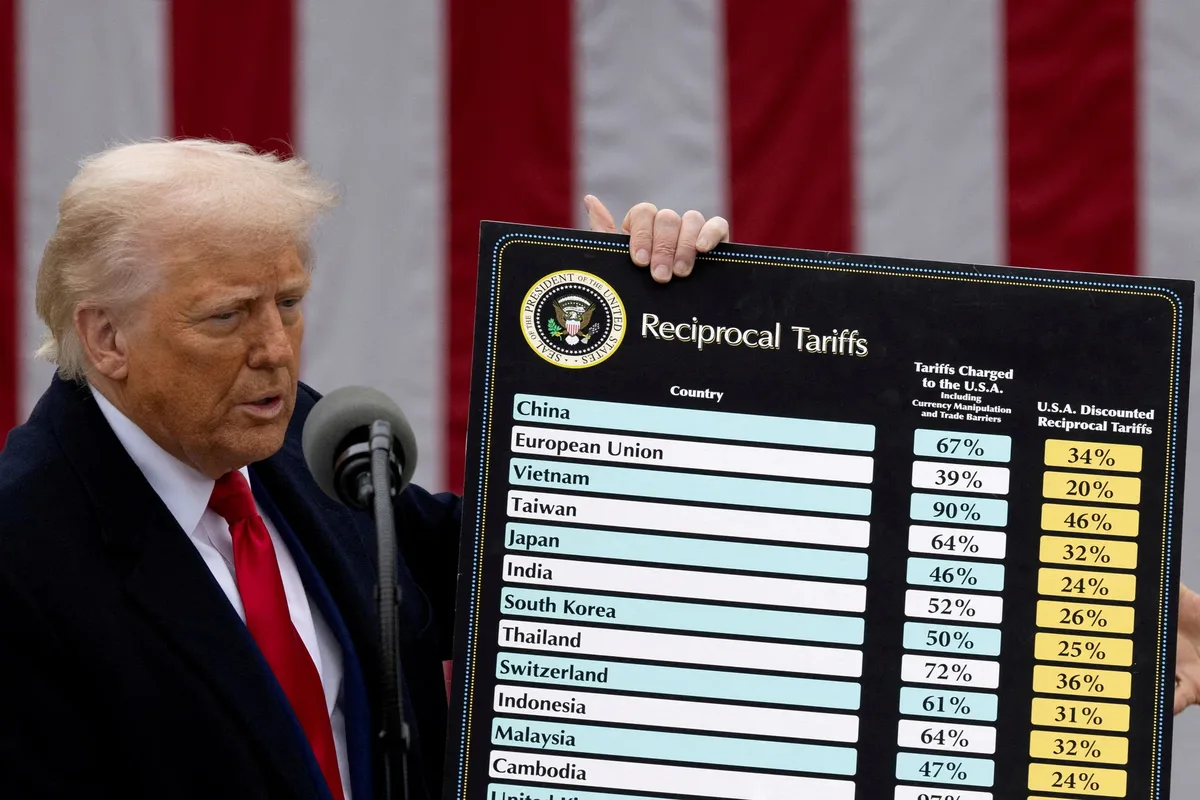
Former President Donald Trump defended the tariffs, stating, "Tariffs have been incredible. We've taken in hundreds of billions of dollars. Supreme Court gave us a little shot, but we're allowed to do it in a different manner" [3].
The U.S. Customs and Border Protection implemented CAPE in late April 2026 to handle tariff refund claims efficiently [3, 7]. CBP official Brandon Lord confirmed that Treasury updates indicate refunds certified by CBP are regularly dispersed [5].
The next major development will be ongoing hearings related to the states' lawsuit challenging the new Section 301 tariffs. The government is expected to respond in the coming weeks following the August 3-5 filings.