The Trump administration is relaxing federal Environmental Protection Agency (EPA) rules that required grocery stores and air-conditioning companies to reduce hydrofluorocarbon (HFC) emissions from refrigeration equipment, officials announced on May 21, 2026 [1, 2].
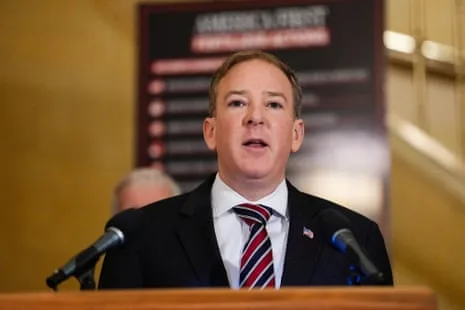
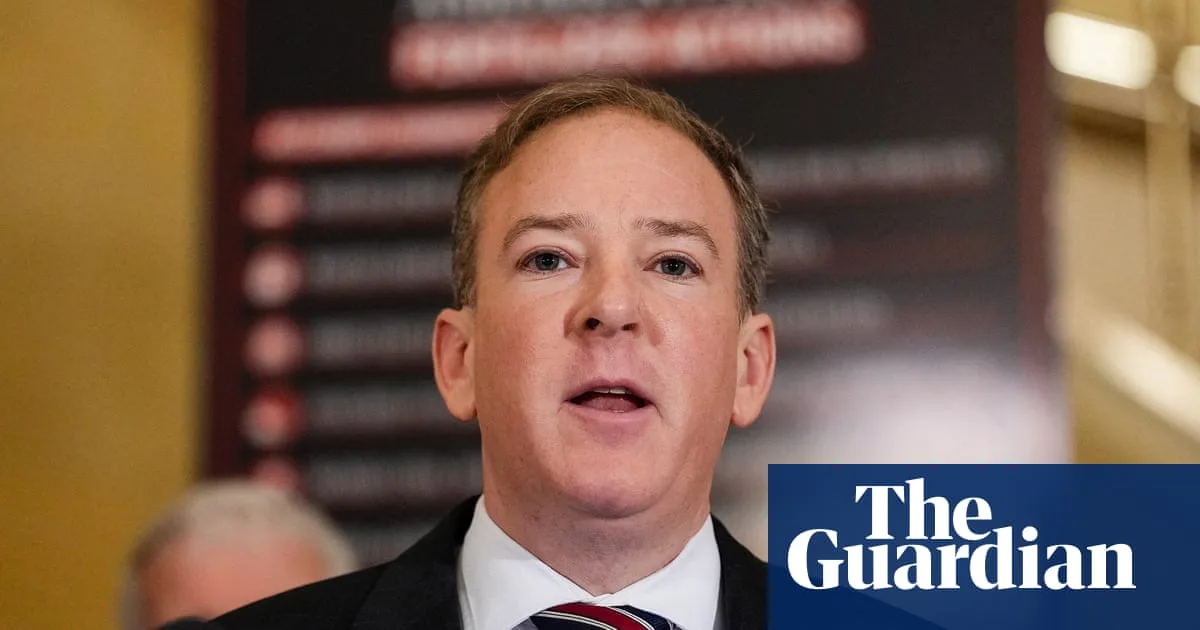
EPA Administrator Lee Zeldin said the rollback will save businesses billions of dollars and result in lower grocery prices for American families. He stated, "Our actions allow businesses to choose the refrigeration systems that work best for them, saving them billions of dollars. This will be felt directly by American families in lower grocery prices" [2]. Zeldin also criticized the Biden-era regulations as costly restrictions that limit refrigerant choices for US businesses and households [1].
The rollback delays compliance deadlines for rules finalized under the Biden administration in 2023 and 2024. Those regulations targeted leaks and emissions of potent greenhouse gases widely used in refrigeration, aiming to cut climate pollution [2]. The EPA estimates the regulatory rollback will save American families and businesses over $2.4 billion [2]. However, officials acknowledge it is unclear if grocery retailers will pass any of those savings on to consumers, as there are no requirements to reduce prices [1, 2].
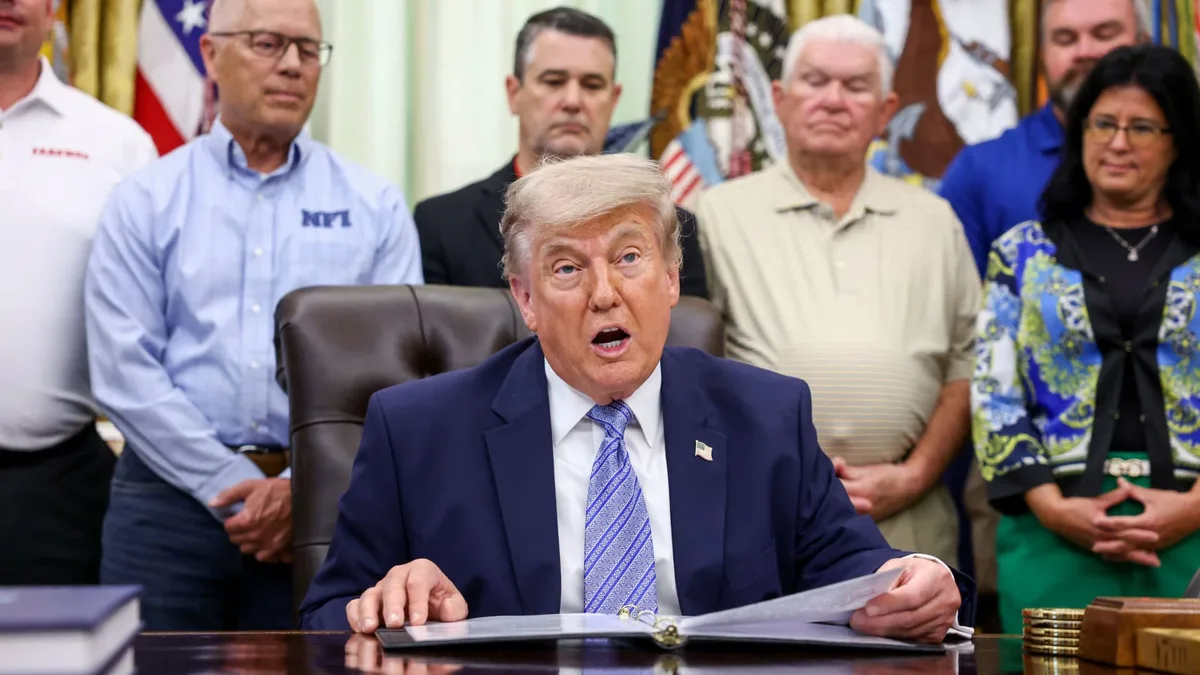
The original bipartisan 2020 law, signed by former President Trump, aimed to phase out HFCs due to their role as powerful climate pollutants. It won support from both environmental advocates and industry groups at the time [1]. Environmentalists have sharply criticized the recent rollback, warning it will worsen climate pollution and disrupt an ongoing industry shift to natural refrigerants [1, 2].
Large grocery chains such as Walmart, Kroger, and Costco have invested in natural refrigerant systems for years and may be better positioned to adapt to regulation changes than smaller grocers [2]. The EPA's move comes as US annual inflation stood at 3.8% in April 2026, fueling concerns over grocery prices [1].
The EPA's reversal follows its announcement on May 21, weeks before the 2026 midterm elections, citing the need to alleviate costs for grocery chains and American consumers alike [1, 2].