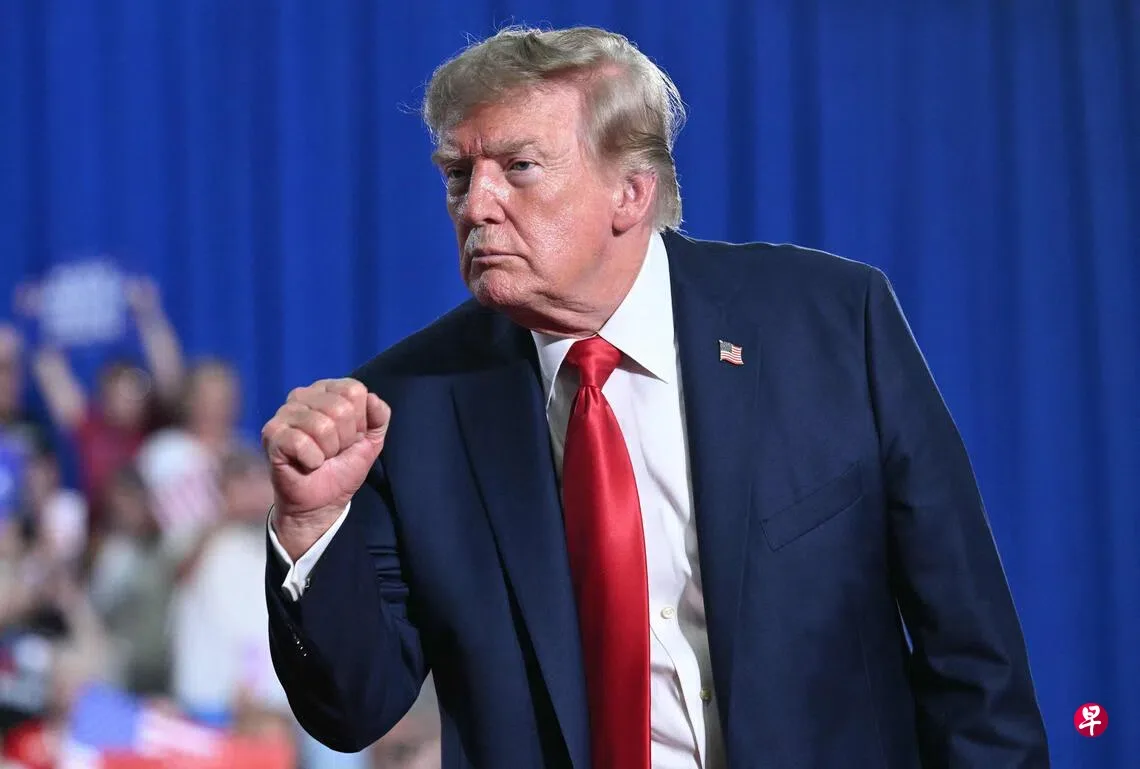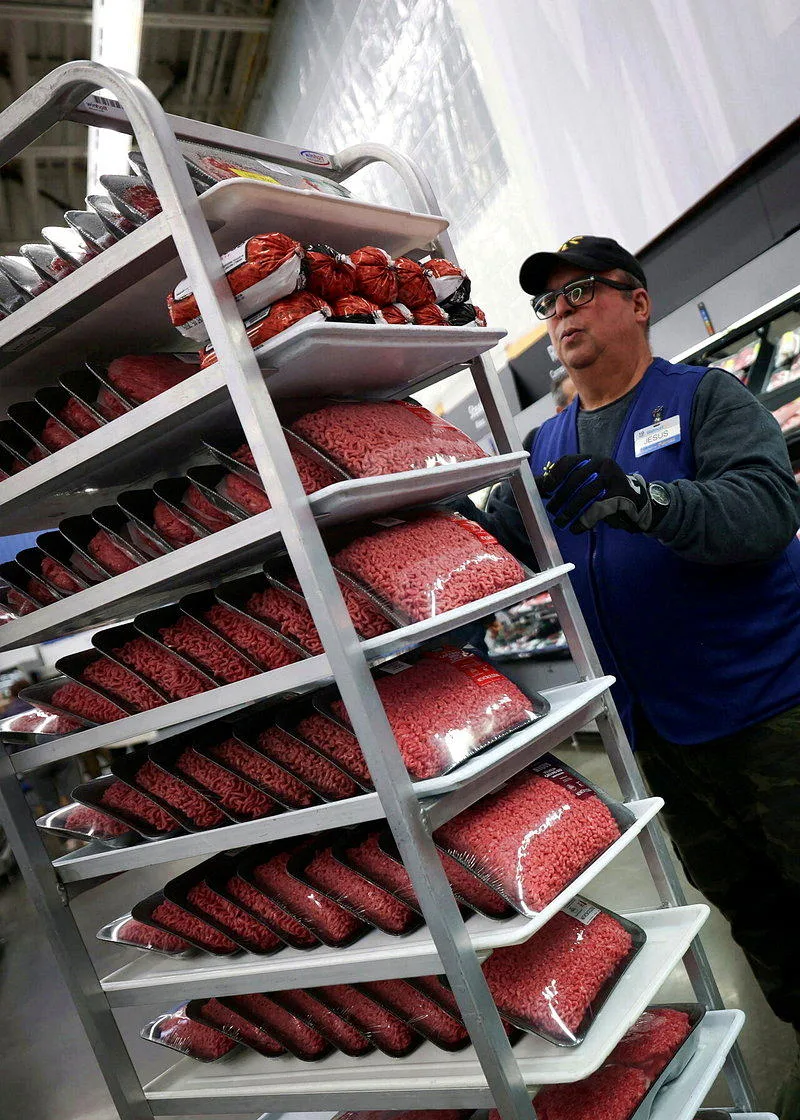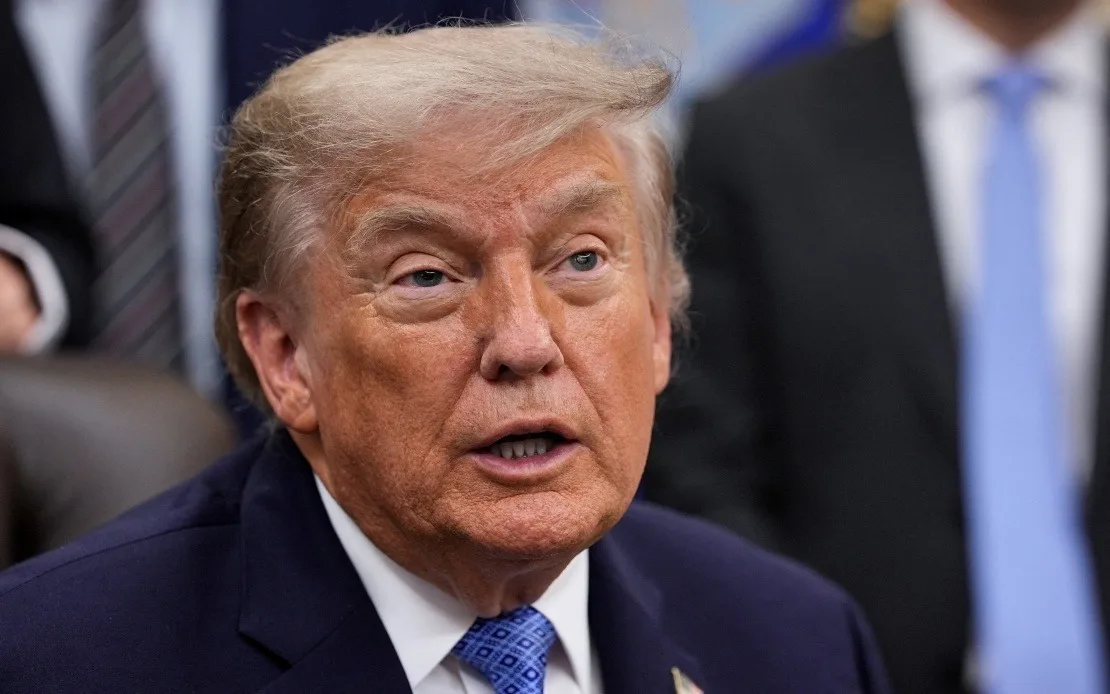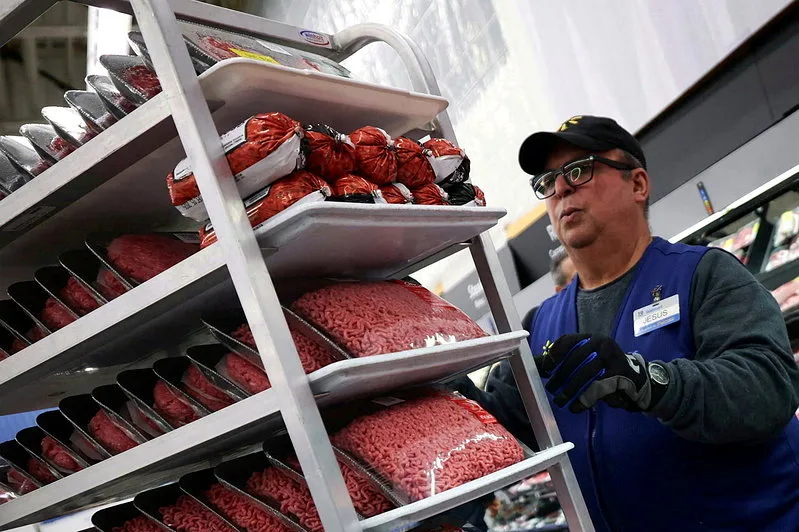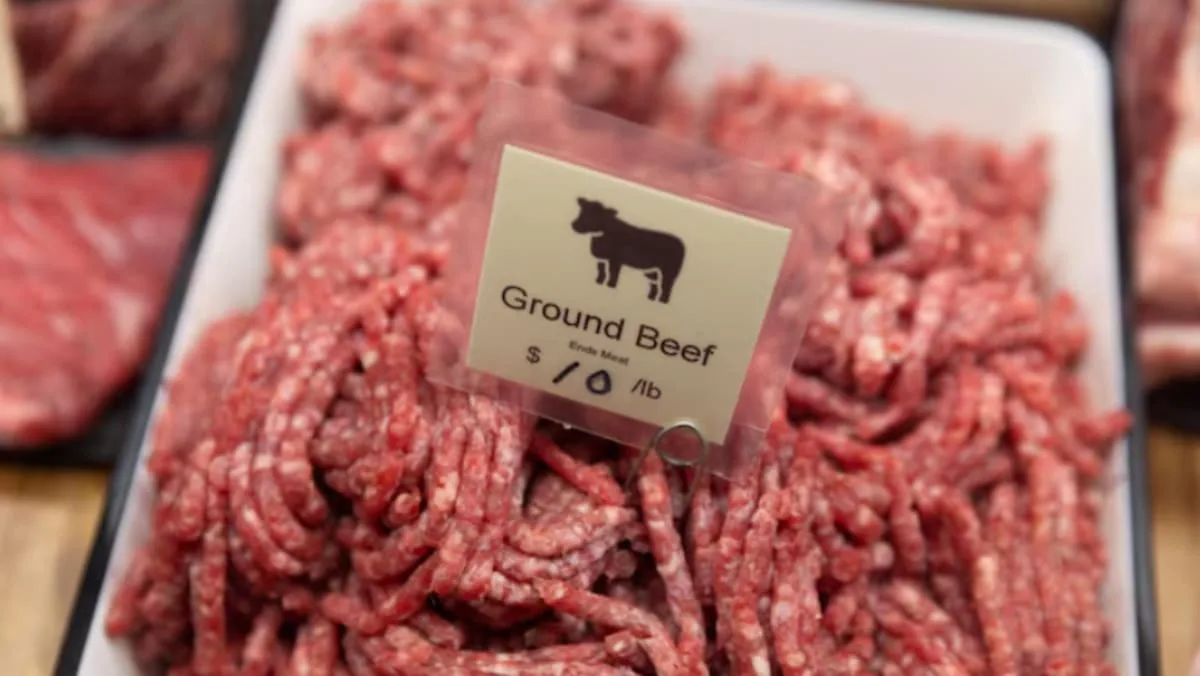
US President Donald Trump announced on August 21, 2026, a temporary 90-day waiver of out-of-quota tariffs on as much as 300,000 metric tons of imported ground beef. The move aims to reduce beef prices for American consumers ahead of November's midterm elections [1, 2, 3, 4, 5].
Trump announced the tariff exemption on his social media platform Truth Social and said he plans to sign an administrative order within two weeks to implement the measure [1, 2, 3, 6, 7]. The imported beef covered by the waiver is promised to be sold at prices 25% below current US market levels, which currently average about $6.89 per pound, a roughly 25% increase since January 2025 [1, 2, 3, 5, 7]. Trump said, "We have a commitment that this beef will be sold at 25 percent below current market prices. This deal will reduce prices for Americans while giving space for our Great American Beef Herd to grow again" [3].
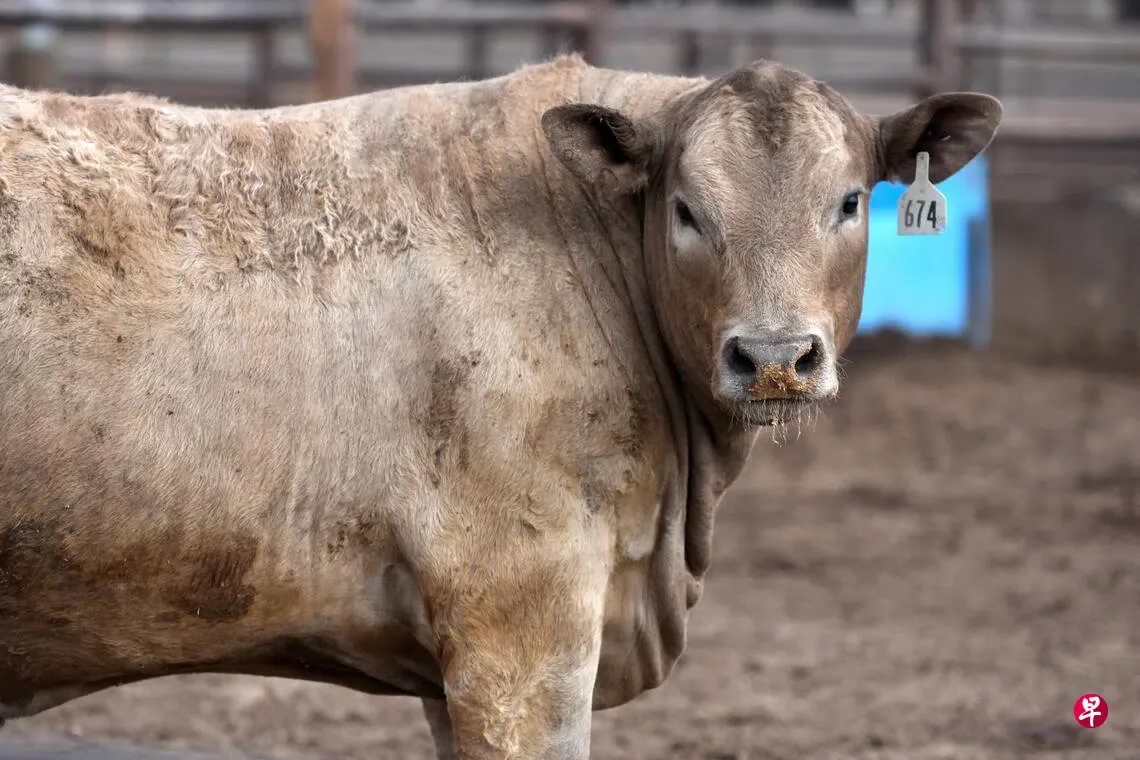
The tariff waiver comes amid rising US beef prices and a shrinking domestic cattle herd, the smallest since the 1950s due to ongoing drought and international competition [1, 2, 8, 4, 9, 10]. Officials see the waiver as a balance between supporting domestic producers and easing consumer food inflation [3, 5]. The 300,000 metric tons approved for tariff exemption account for about 2-3% of US annual beef consumption, estimated at roughly 13 million metric tons per year [1, 6, 11]. The Trump administration has not disclosed the countries supplying the exempted ground beef [1, 3, 5].
However, the waiver faces strong opposition from US cattle industry groups and beef producer associations, who warn it will harm ranchers, lower cattle prices, and undermine long-term herd rebuilding efforts. Colin Woodall, CEO of the National Cattlemen’s Beef Association, said, "Flooding the market with government-subsidized, below-market beef is not the way to rebuild the American cattle herd" [12]. Republican senators from agricultural states criticized the policy, including Nebraska Senator Deb Fischer, who said, "We all want grocery prices to come down, but not at the expense of our American producers. Flooding the market with foreign beef hurts our cattle industry." She added, "I am extremely disappointed" [2]. Trump responded, "I love ranchers; they do a great job. But even they acknowledge we need some help to bring prices down" [6].
The 90-day waiver may have limited long-term impact on beef prices or herd rebuilding, given its temporary nature and small volume relative to total beef consumption [12]. Trump’s plan is to sign an administrative order within two weeks to activate the tariff waiver and allow imports under the new terms to begin [1, 2, 3, 6].