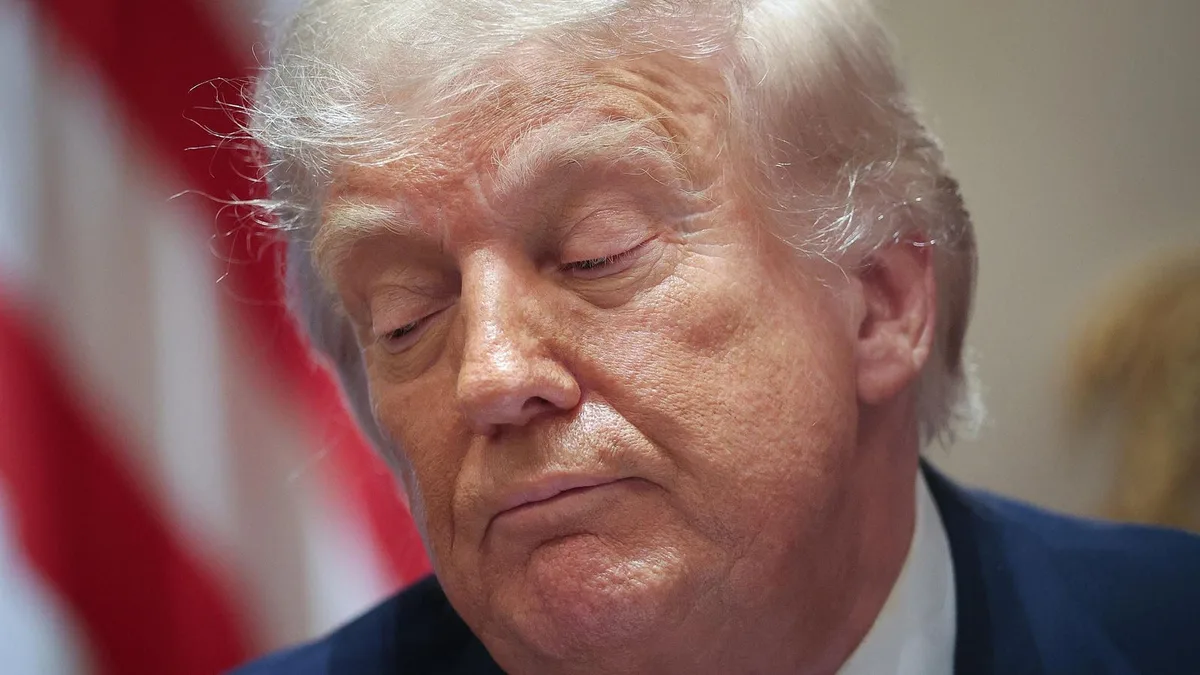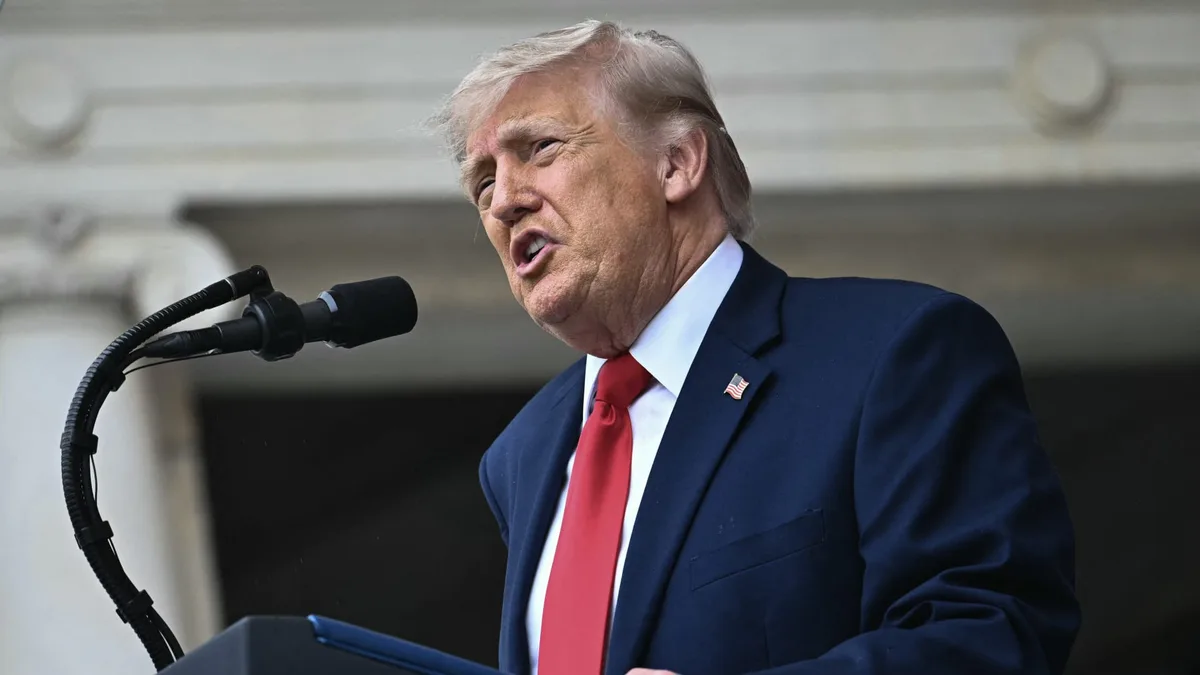
President Donald Trump said Iran genuinely wants to reach a deal that will benefit the United States and its allies, despite recent setbacks in negotiations [1, 2]. He criticized Democrats and some Republicans, whom he called "Dumocrats" and "unpatriotic Republicans," for making it harder to negotiate through relentless negative criticism. Trump posted on his Truth Social account on June 1, accusing political opponents of complicating the peace talks while assuring a positive outcome was still possible [1, 2].
Tensions have flared after U.S. Central Command conducted self-defense air strikes over the weekend on Iranian radar, command, and drone control sites. These strikes responded to Iranian actions including the shootdown of a U.S. MQ-1 Predator drone over international waters [1, 2]. Iran’s Islamic Revolutionary Guard Corps retaliated by targeting a U.S. air base used in the strikes, claiming it destroyed all predetermined targets successfully on June 1 [1, 2].
Trump stated talks with Iran have been close to an agreement since a ceasefire came into effect in early April 2026. However, progress has recently been limited, and Axios reported that Trump requested amendments to the latest terms negotiated by his envoys with Iranian officials, though CNBC could not independently confirm that claim [1].
Economic expert Guntram Wolff warned that market expectations of a diplomatic breakthrough may be too optimistic. Wolff said, "The problem I would say is that we have been promised a good deal for a long time now and it's more than 90 days gone... Iran continues to have significant capabilities to inflict a lot of damage" [1].
The Strait of Hormuz, a critical route where 20% of the world’s oil traffic passes, remains a potential flashpoint amid the ongoing standoff [1]. The U.S. and Iran will continue monitoring the ceasefire conditions and negotiations in hopes of avoiding further military escalations.