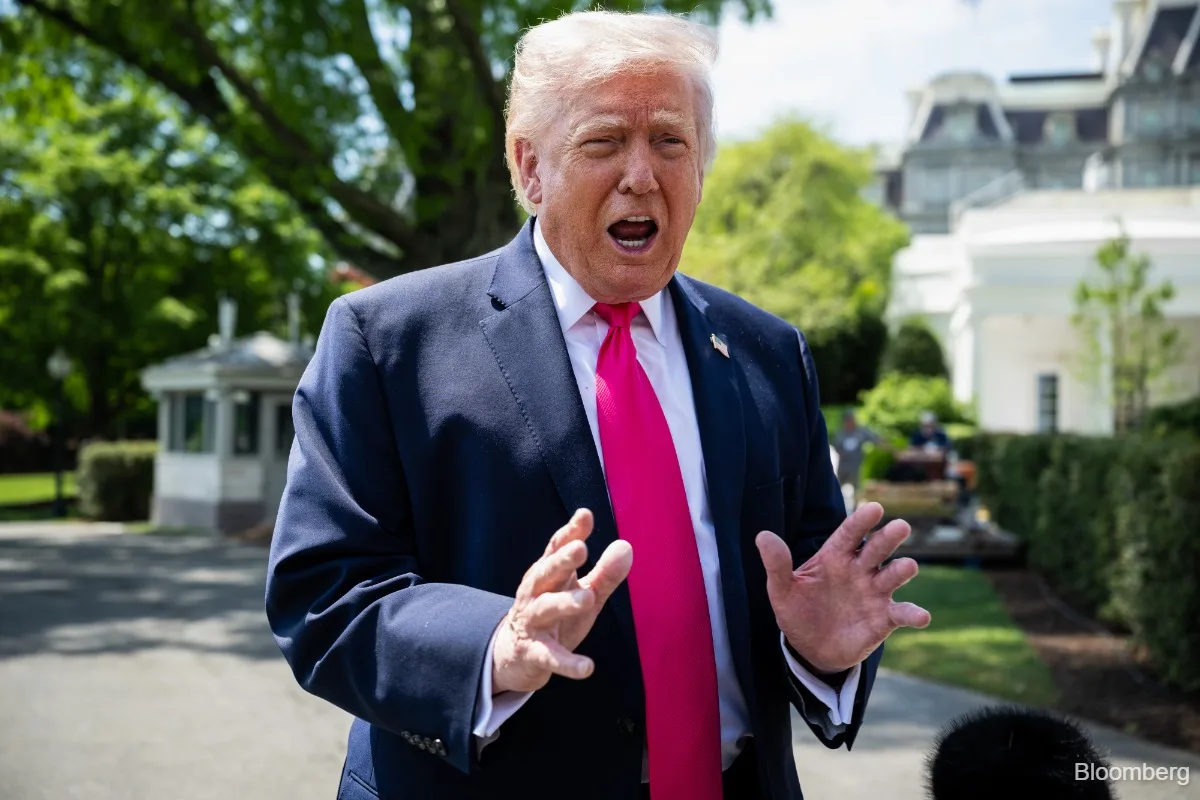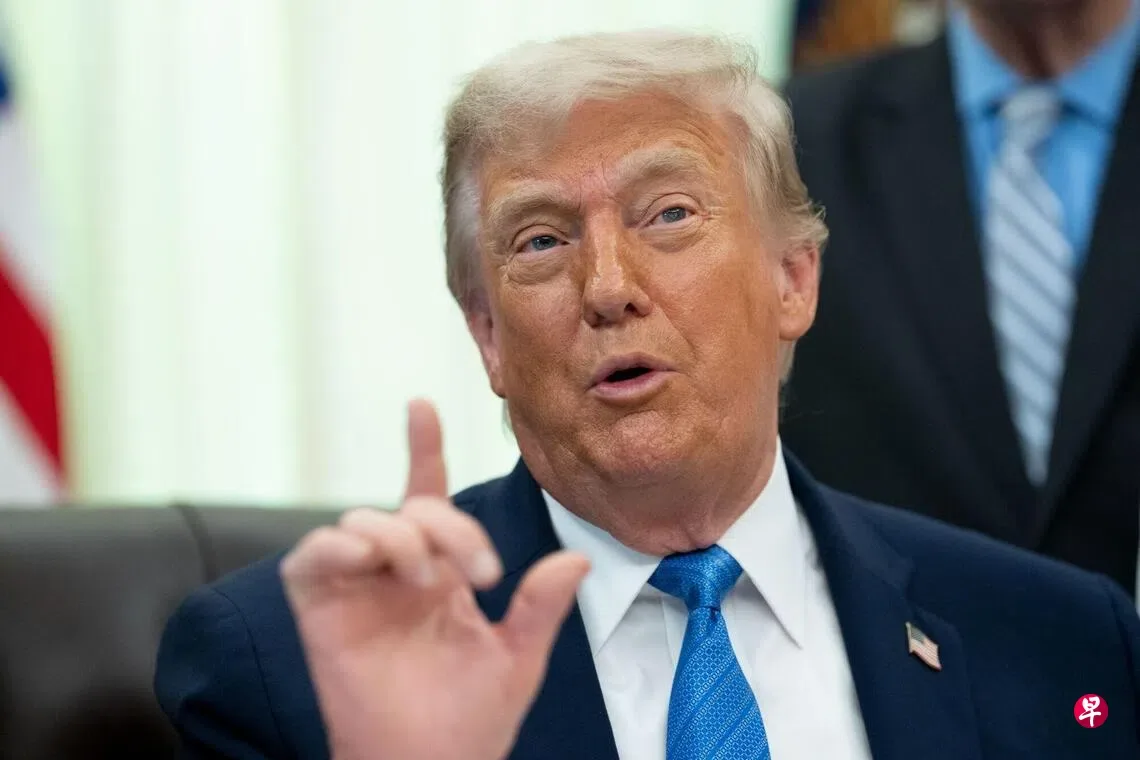
US President Donald Trump said on June 10 he does not intend to renew the US-Mexico-Canada Agreement (USMCA), the trade deal between the three countries that was signed for a 16-year term during his first presidential term [1, 2, 3]. Trump criticized the trade deficits with Canada and Mexico, stating, "I am not looking to renew it. Because to be honest with you, the US does much better. We don’t need anything that Canada has, we don’t need anything that Mexico has, but they need everything that we have, and they have to treat us better" [2]. He repeated similar comments in Mandarin and Chinese versions, emphasizing the US does not need Canada’s cars, lumber, or energy but expects better treatment [1, 3].
Canada and Mexico are two of the largest U.S. trading partners, with about $2 trillion in annual trade among the three countries [1, 2, 3]. Despite this, the United States ran goods trade deficits totaling $46 billion with Canada and $197 billion with Mexico in 2025 [1]. Since 2023, Mexico has become the largest US trading partner, exporting about 80% of its products to the U.S., while Canada exports nearly 70% of its products to the U.S. [1].
The current USMCA agreement requires the three countries to decide by July 1, 2026, whether to extend or withdraw from the agreement [1, 2, 3]. If no renewal is agreed, the deal will shift to yearly rolling reviews and remain in force for up to 10 years unless a country withdraws with six months’ notice [1, 2, 3].
On June 9, Canadian Trade Minister François-Philippe Champagne said Canada and the US had positive talks about the USMCA review but no formal negotiation date had been set [1]. Negotiations between the US and Mexico are scheduled for June 16-17 in Washington and a third round is planned for the week of July 20 in Mexico City [1, 2]. Talks with Canada have not been formally scheduled yet [1, 2].
The July 1 deadline marks the key date for the three nations to confirm whether USMCA will be renewed or allowed to lapse into rolling review. Without renewal, USMCA will continue on a year-by-year basis unless formally ended by any party with six months’ notice [1, 2, 3].