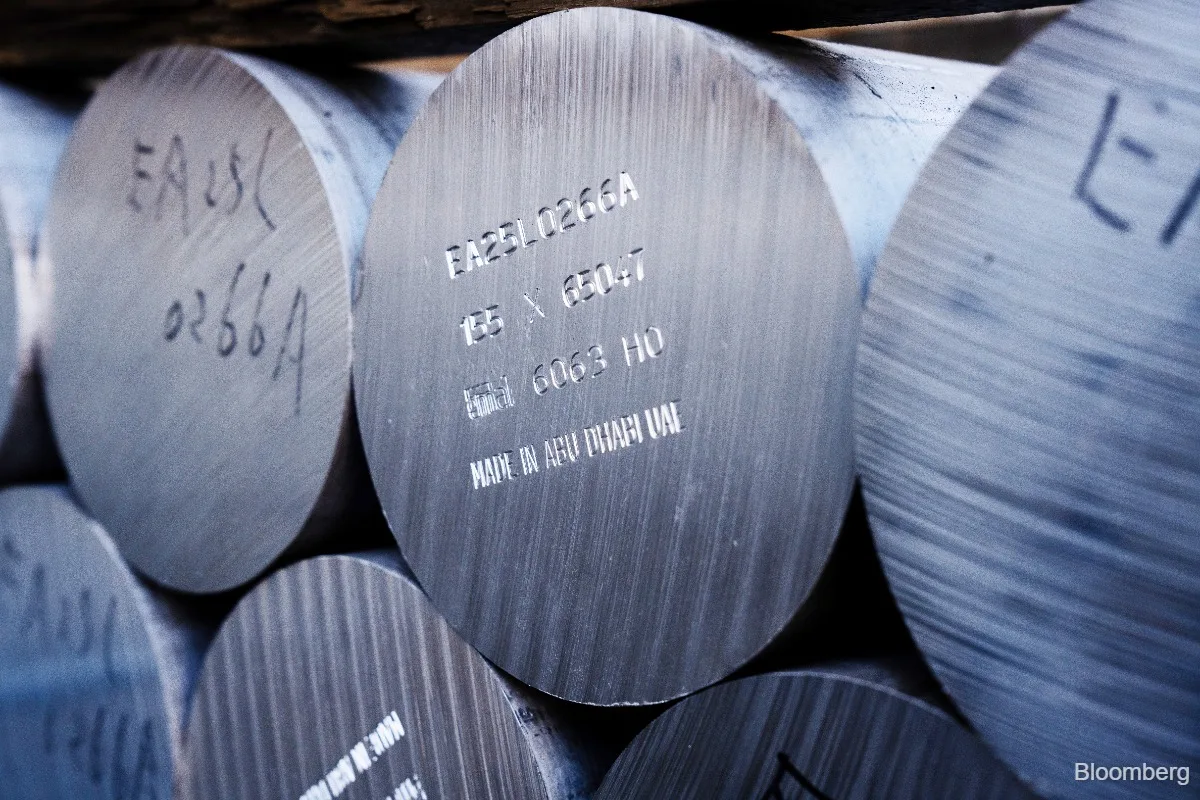
US President Donald Trump signed a proclamation on June 1 or 2, 2026, changing tariffs on steel, aluminium, and copper imports. The proclamation lowers tariffs on certain agricultural machinery and residential heating, ventilation, and air conditioning equipment from 25% to 15% [1, 2, 3]. These tariff reductions also apply to mobile industrial equipment such as bulldozers and forklifts from trade deal countries, which will now face a 15% tariff instead of 25% [1, 2, 4, 5, 3].
Foreign companies importing capital equipment that contains at least 85% U.S. melted and poured or smelted and cast steel or aluminium by weight qualify for a 10% tariff rate, a new provision intended to boost domestic industry[ s1,s2,s6,s9,s10,s12]. Two new categories — steel racks and aluminum lithographic plates — will be subject to 25% tariffs for the first time [1, 5].
The tariff changes take effect at 12:01 a.m. Eastern Standard Time on June 8, 2026, and will remain in place until December 31, 2027 [1, 2, 4, 6, 5, 7]. The White House said the proclamation aims to encourage near-term investment and help rebuild the U.S. industrial base [1, 2, 4, 5, 3]. President Trump noted, “Recent developments have impacted and continue to impact domestic industries that use agricultural equipment, industrial equipment and machinery, and other related products” [7].
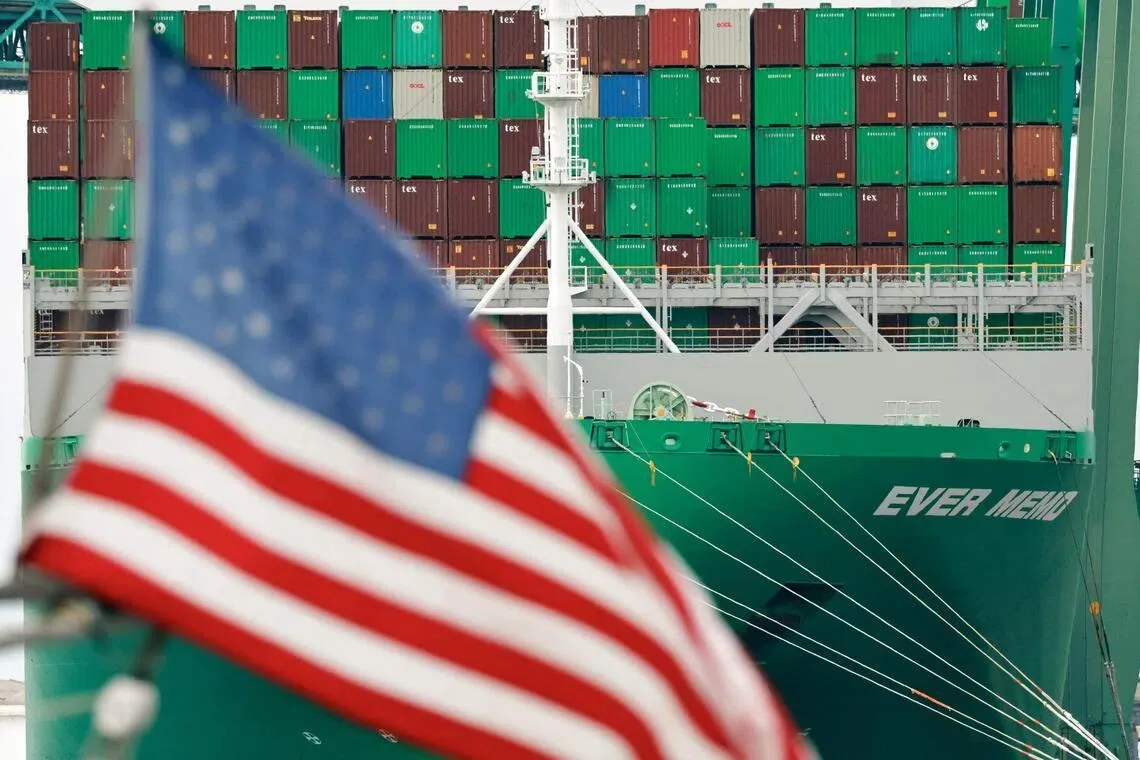
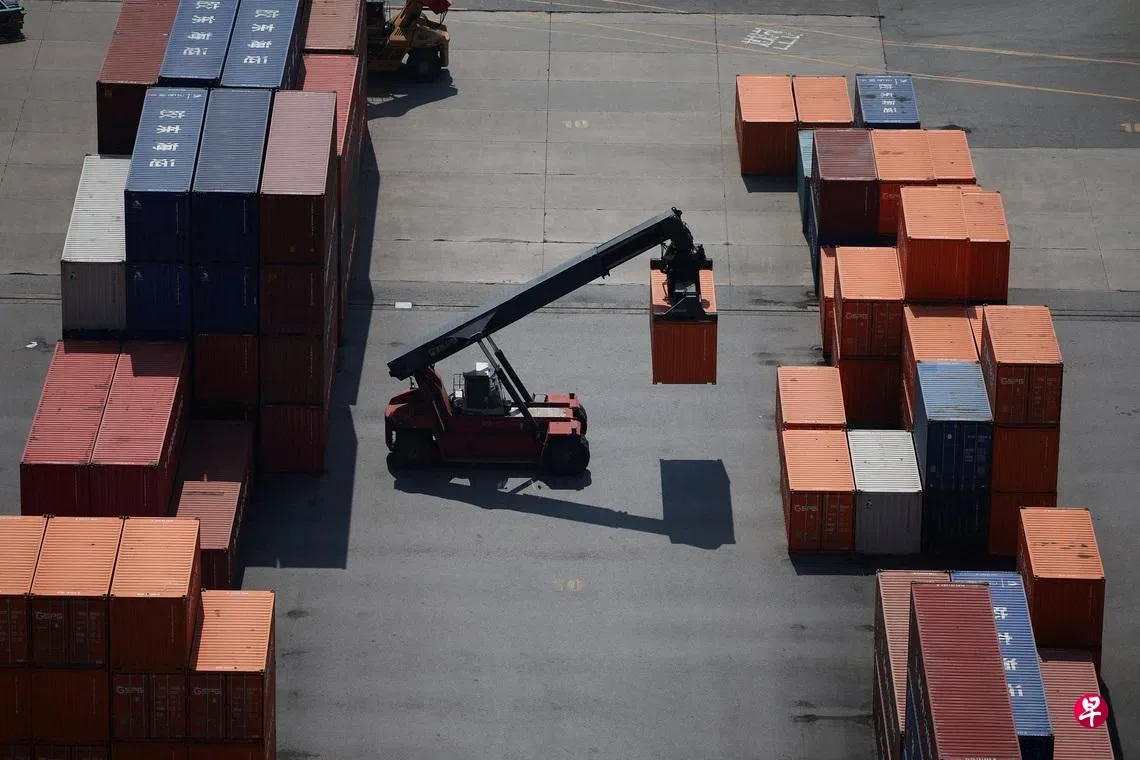
On June 3, Trump signed a separate executive order directing U.S. Customs and Border Protection to tighten enforcement against tariff evasion and trade fraud by using new technology and artificial intelligence [8, 9]. James Kernochan, chief of staff for U.S. Customs, said the order addresses “the tricks and abuse that the companies that were trying to cheat the system have been using” [8]. White House trade adviser Peter Navarro said the government will “track every single ship and shipment that leaves every single port every day” with the goal to detect tariff evasion and other illegal goods entering the country [8]. Navarro added, “We’re literally going to be able to pick up tens and tens of billions of dollars just in tariff evasion alone” [9].
The Customs order also aims to combat issues like shell companies, undervaluing imports, and misreporting importers of record. The concern follows a record $112 billion gap in 2025 between China’s exports reported to the U.S. and the U.S. Customs declarations, indicating widespread underreporting and potential fraud [8, 9].
Rising costs from the Middle East conflict and blockades such as the Strait of Hormuz disrupted global aluminium supply, raising costs for American farmers and manufacturers. The tariff reductions partly seek to ease these cost pressures on US agricultural and manufacturing sectors [4, 10, 6, 7].