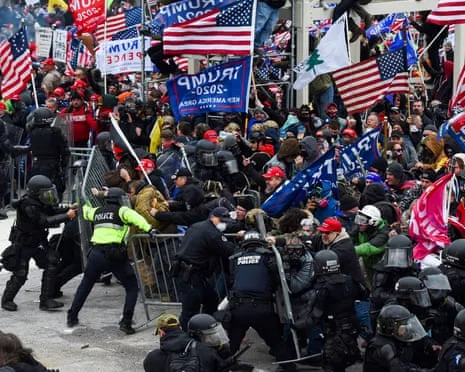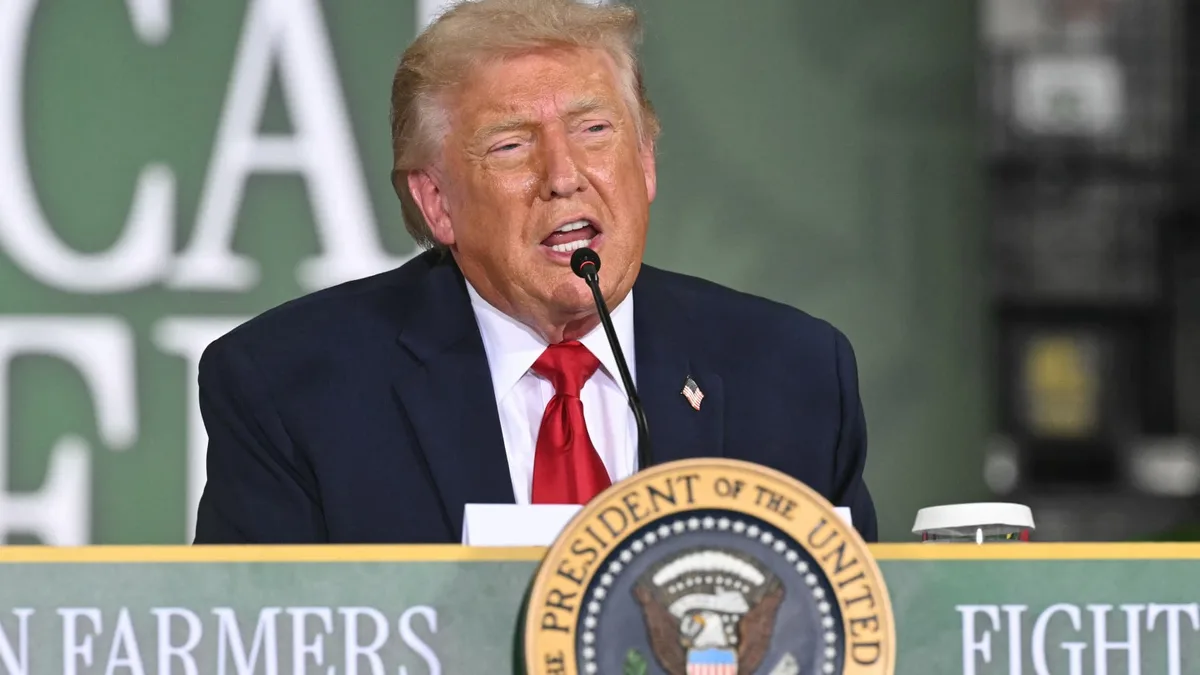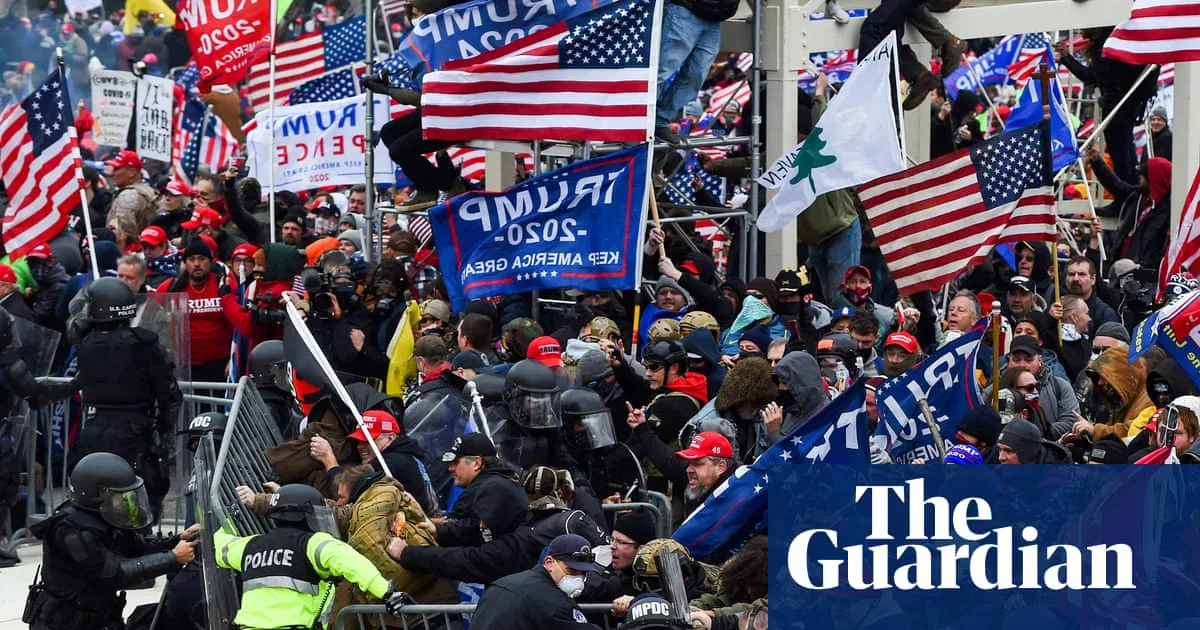
Donald Trump expressed strong support for a $1.776 billion "anti-weaponization" fund intended to compensate people, including some January 6 Capitol rioters, who claim they were victims of "lawfare" [1, 2]. In a June 7 interview on NBC's "Meet the Press," Trump refused to decisively rule out paying individuals charged with assaulting police officers during the January 6, 2021, Capitol attack. "If it was up to me, I'd pay them the kind of money that they deserve. People have been destroyed. Lives have been destroyed," Trump said [1]. After being pressed on the issue and claims of election fraud, Trump abruptly ended the interview [2].
The fund emerged as part of a settlement resolving Trump's $10 billion IRS lawsuit, protecting him and his family from audits on prior tax returns [2]. It aims to provide compensation to those alleging they are unfairly targeted by legal action, a label some rioters have embraced. Nearly 1,600 people faced charges related to the Capitol attack, with over 1,100 convicted or sentenced by the end of the Biden administration [1]. More than 140 law enforcement officers were injured during the riot [1].
Since returning to office, Trump pledged clemency to many January 6 protesters and pardoned about 1,500 individuals connected to the attack [1]. Regarding the fund, Trump said, "If they get it approved, that's great; if they don't get it approved, I'd be disappointed" [2].
However, the fund has faced legal hurdles. A federal judge issued a temporary order on May 29, 2026, blocking the administration from establishing the fund while a lawsuit proceeds [1]. On June 2, Acting Attorney General Todd Blanche stated the administration was not moving forward with the fund "period" [1]. This contrasts with Trump's public advocacy for the fund.
The legal challenge and the Justice Department’s current stance create uncertainty about the fund’s future. Trump’s comments suggest he remains committed to financially supporting January 6 rioters who feel wronged by prosecution.
The next step will focus on the ongoing lawsuit over the fund’s legality and whether the administration will continue to defend or abandon the project.