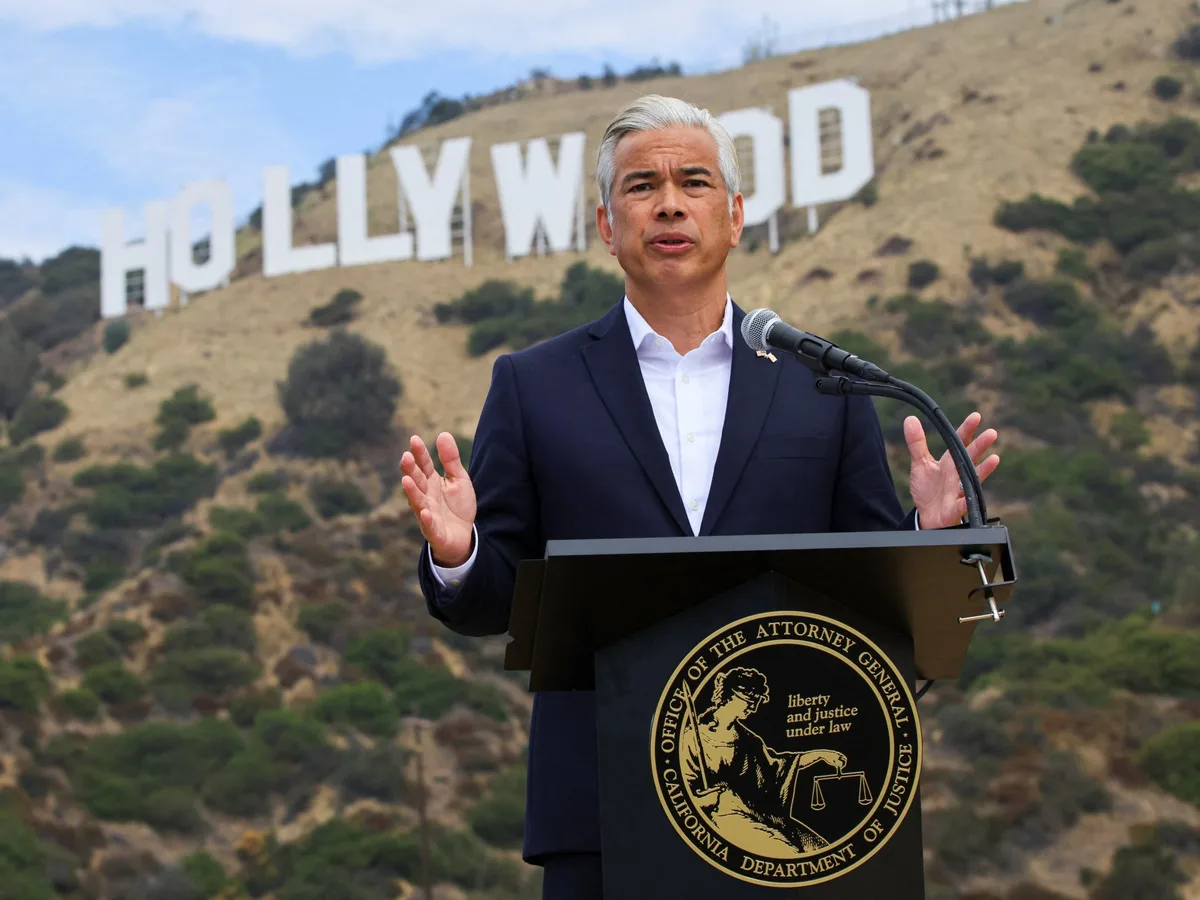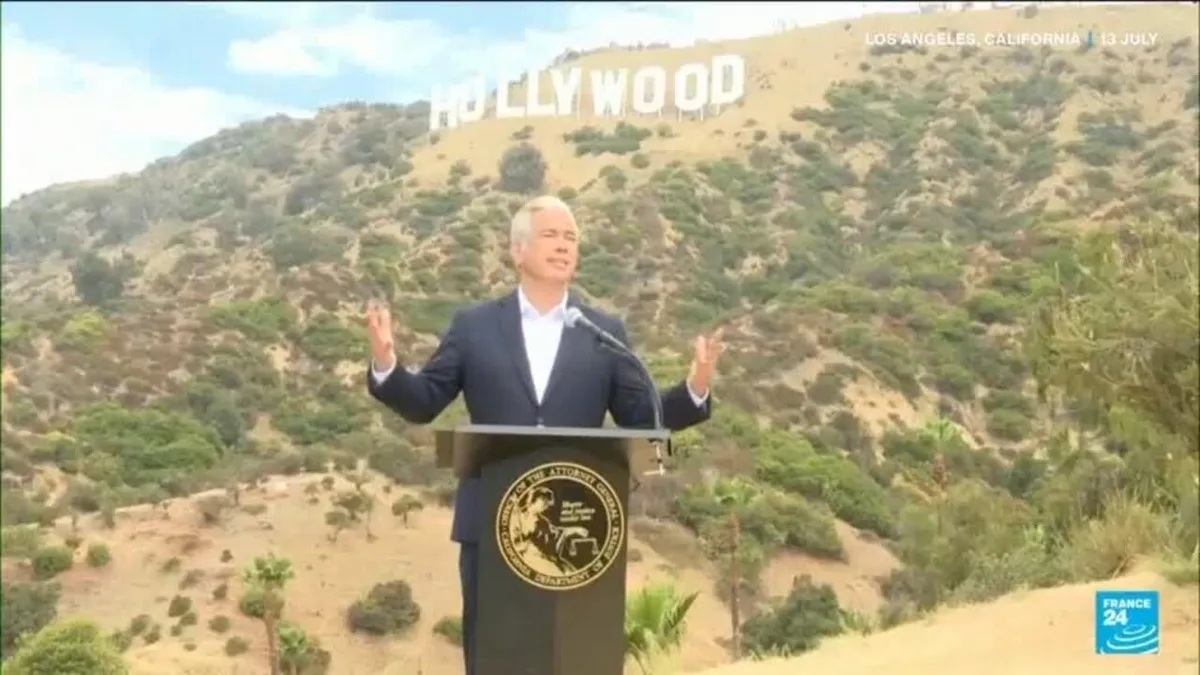
Twelve US states, led by California, filed a lawsuit on July 13, 2026, to block Paramount Skydance's $110 billion acquisition of Warner Bros. Discovery [1, 2, 3, 4, 5, 6, 7]. The coalition includes Arizona, California, Colorado, Connecticut, Massachusetts, Minnesota, Nevada, New Jersey, New Mexico, New York, Oregon, and Washington [1, 2, 3, 4, 5, 6, 7].
The states allege the merger violates the Clayton Act by substantially lessening competition in theatrical film distribution, top-grossing film releases, and basic cable licensing [2, 5, 6, 7]. The combined company would control roughly 27% of the basic cable channel market and about 75% of wide-release theatrical film distribution [2, 4, 5, 6, 7]. California Attorney General Rob Bonta said the deal "would lead to higher prices, lower quality, and less content," harming movie theaters, cable distributors, and audiences nationwide [1, 2, 4, 5, 6, 7]. He added consolidation would reduce opportunities for diverse storytelling and limit audience exposure to varied perspectives [2].
The merger combines two of the five major Hollywood film distributors and basic cable channel owners [2, 4, 5, 7]. Writers Guild of America West president Michele Mulroney called it "one of the worst proposed mergers we've seen," while WGA East president Tom Fontana said the deal would be "an absolute, unmitigated disaster" for the entertainment and news industries [5].
The Department of Justice approved the merger on June 12, 2026, concluding it would not substantially harm competition or consumers despite internal staff misgivings reported earlier [1, 3, 4, 6, 7]. Former DOJ acting antitrust chief Omeed Assefi disputed reports that DOJ lawyers were surprised by the approval, calling them inaccurate [3].
The lawsuit demands Paramount and Warner Bros. Discovery delay closing the deal until after judicial proceedings. It threatens a temporary restraining order if they refuse to comply [1, 4, 5, 7]. Paramount CEO David Ellison is reportedly considering relocating the company headquarters from California due to the lawsuit and tensions [1, 4].
If the merger closes after September 30, 2026, Paramount must pay a "ticking fee" of about $650 million per quarter to Warner Bros. Discovery shareholders [3, 4].
The next key date will be the court's decision on whether to grant the temporary restraining order and block the merger closure pending the lawsuit. The dispute marks a major legal challenge to one of the largest entertainment industry mergers in recent history.