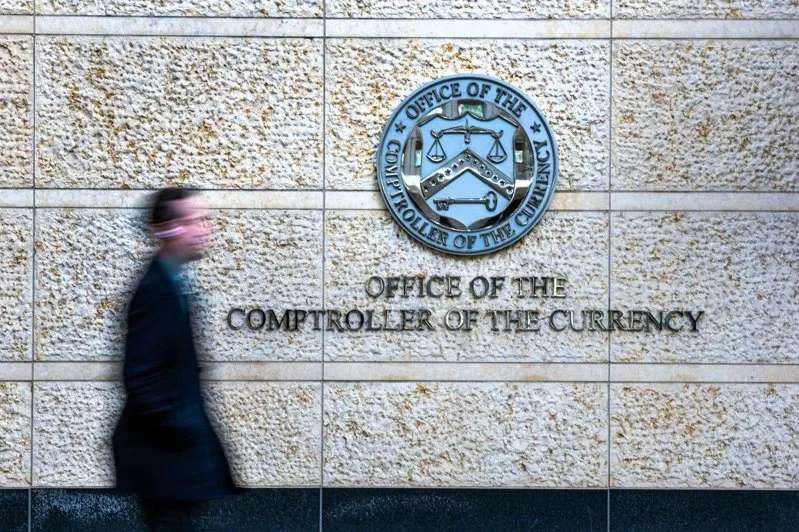
The Office of the Comptroller of the Currency (OCC), Federal Deposit Insurance Corporation (FDIC), and National Credit Union Administration (NCUA) issued guidance on July 13, 2026, signaling increased lending risks to individuals working in the U.S. without legal authorization [1, 2, 3, 4].
The guidance highlights that income for undocumented workers may be less stable due to threats such as deportation, job loss, or an inability to gain legal work status, all of which could impair loan repayment capacity [1, 2, 3, 4]. It applies to retail lending products including mortgages, auto loans, credit cards, and other consumer credit lines [2, 4].
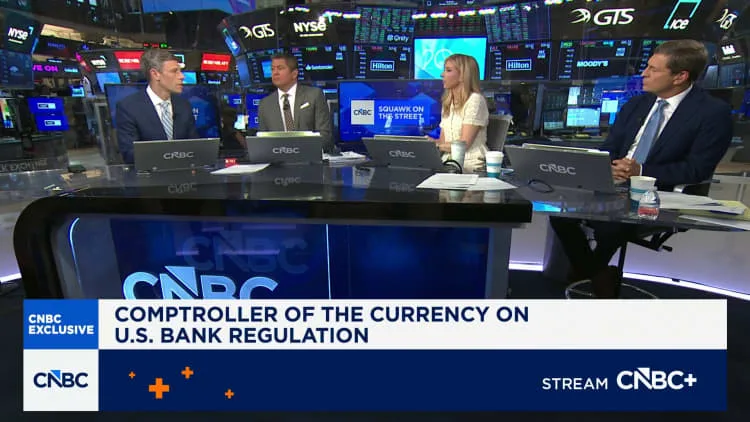
Banks are reminded to carefully assess these risks and comply with existing legal obligations, though the guidance does not impose new requirements or require collecting customers’ citizenship or immigration status [1, 2, 3, 4]. Jonathan Gould, Comptroller of the Currency, said, "Banks have an obligation to know their customer. That's a pre-existing obligation" [2].
The guidance follows a May 2026 executive order by President Donald Trump targeting unauthorized immigrants' use of U.S. financial services. The administration described undocumented immigrants as threats to national security and financial system stability [1, 2, 3, 4].
Data on loans to undocumented workers is limited but the Urban Institute estimated between 5,000 and 6,000 mortgages in 2023 were originated using Individual Tax Identification Numbers (ITIN), mostly for unauthorized immigrants, out of about 4.6 million total mortgage originations [2, 4].
While the guidance stops short of banning lending to undocumented immigrants, some analysts argue it could pressure banks to reduce lending to this group in practice [3]. Critics warn it may discourage immigrants from accessing banking services, increase compliance costs, and push financial activity outside regulated channels, raising fraud risks [2].
The regulatory agencies will continue monitoring lending practices related to work authorization status. No new deadlines or additional steps for banks were announced alongside the July 13 guidance [1, 2, 3, 4].