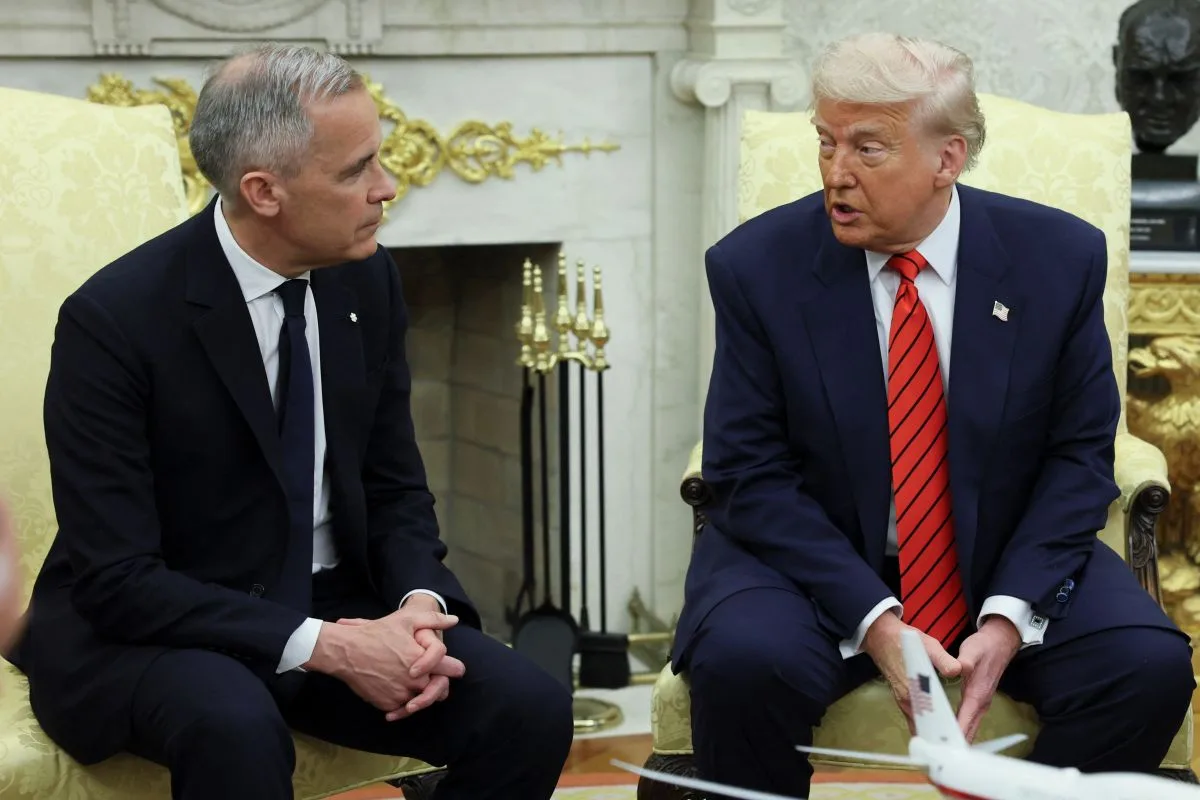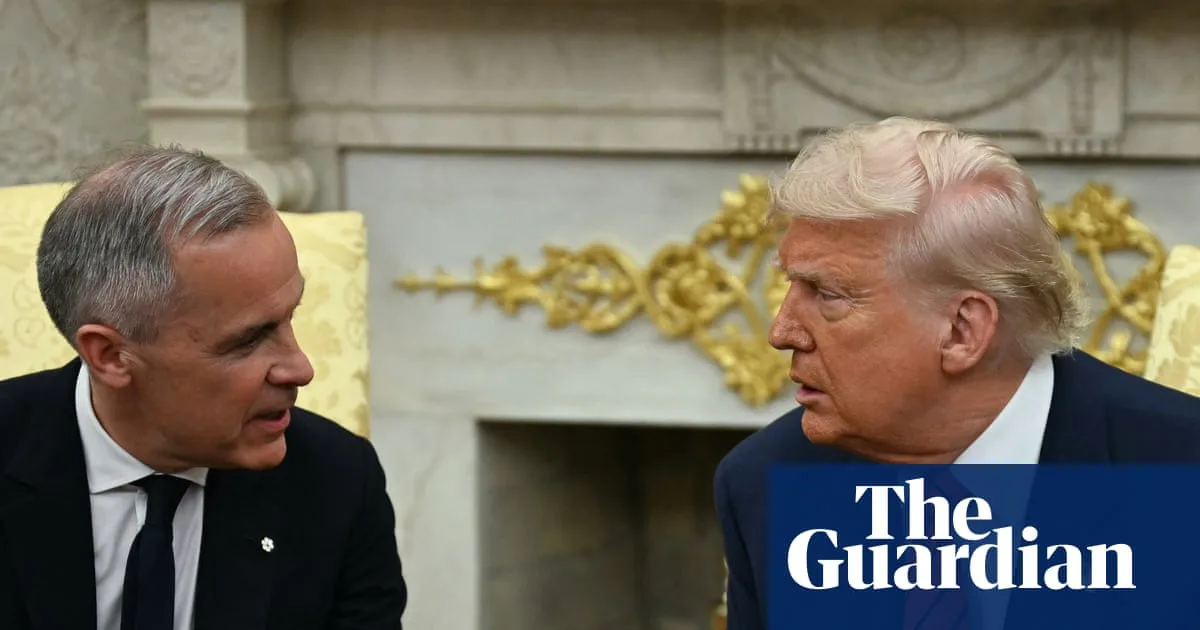
US President Donald Trump announced a pause on the threatened 50% tariffs on about $20 billion worth of Canadian goods just hours before they were set to take effect at 12:01 a.m. ET on August 19, 2026 [1, 2, 3]. The tariffs aimed to address what Trump called Canadian trade discrimination and retaliation [1, 2, 3]. "We've come to a deal with Canada after a very good conversation with Carney. They called yesterday and they gave us the points that we had to have. It's a very fair deal for both," Trump said [2].
Trade negotiators from the US and Canada met in Washington for three consecutive days from August 19 to 21 to seek a final agreement before the tariff deadline [4, 3]. Canadian Prime Minister Mark Carney said "substantial progress has been made, although there is important work still to be done" in the talks [1, 2]. Trump hinted the deal could include restarting the Keystone XL pipeline project canceled in 2021, though Canadian and other sources did not confirm this [2] [1, 3].
The potential deal is expected to reduce the top-line 25% tariff on Canadian-built vehicles to 15% and halve tariffs on Canadian steel and aluminum to 25% [4]. US Vice President JD Vance mocked Carney’s toughness in the talks, saying, "It's hilarious because Carney presents this as some victory for Canada when fundamentally, like, they climb down on a lot of issues" [4]. Meanwhile, some Canadian provinces and premiers, including Manitoba’s Premier Wab Kinew, warn of domestic resistance to concessions, with Kinew saying, "I think we've got the upper hand — they're back on their heels right now. They're coming to us for a deal, and so I think we should fight" [4].
Canada remains vulnerable to US trade actions as about 70% of its exports go to the US, which had a total trade value of $909 billion in 2024 [4] [1]. The tariffs originally set to take effect on August 19 were reportedly extended to a deadline of August 22, according to some sources [4, 3]. Vina Nadjibulla, CEO of the Centre for Strategic Statecraft, said "all indications point to the fact that a deal is imminent before the expiry of the current extension. Or, at most, there might be another extension with negotiations going into next week" [3].
The August 22 deadline remains the final date for the tariffs to take effect unless a deal is reached.