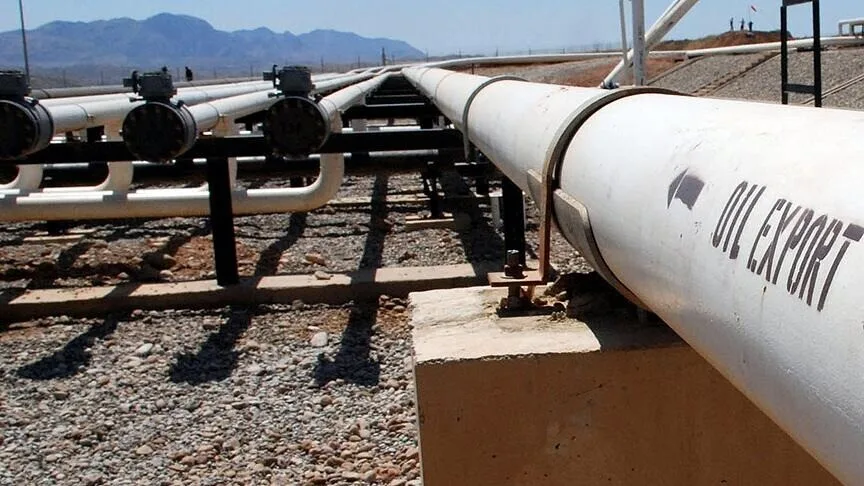
The United Arab Emirates has completed nearly half of a new oil pipeline designed to bypass the Strait of Hormuz, a key chokepoint currently blockaded by Iran, UAE energy officials announced today [1, 2].
The pipeline, which will double the Abu Dhabi National Oil Company’s export capacity through Fujairah on the Gulf of Oman, aims to reduce reliance on the Hormuz route. Completion is set for 2027, with construction accelerated due to the ongoing conflict with Iran [1, 2].
Iran has enforced a blockade of the Strait of Hormuz since early March 2026, after U.S. and Israeli airstrikes on Iran in late February triggered a regional escalation [1, 2]. The blockade has cut off oil and gas exports from the UAE and other Gulf producers. More than 1 billion barrels of oil have been lost so far, with losses reaching nearly 100 million barrels weekly while the passage remains closed [1, 2].
The UAE has been mitigating the impact by rerouting some exports through an existing pipeline to Fujairah that can handle 1.8 million barrels per day [1, 2]. Even if the conflict ends immediately, it will take at least four months to restore oil flows to 80% of normal levels. Full normalization is expected by the first or second quarter of 2027 [1, 2].
ADNOC CEO Sultan Ahmed Al Jaber said, "Right now, too much of the world's energy still moves through too few chokepoints" [1]. He warned the blockade sets "a dangerous precedent once you accept that a single country can hold the world's most important waterway hostage" [2].
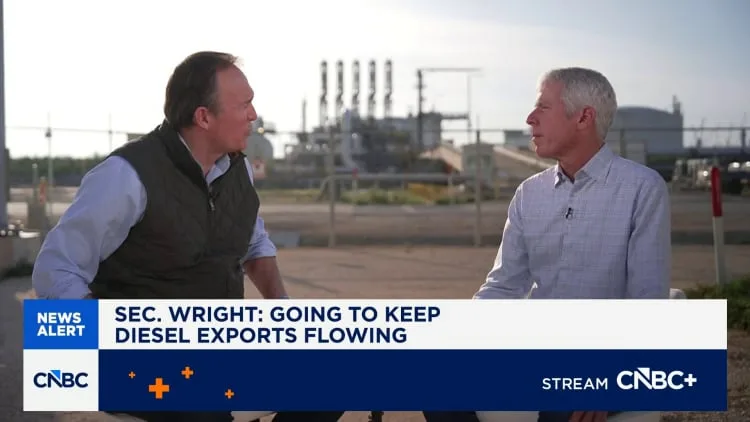
U.S. Energy Secretary Chris Wright commented, "This is a card you can play once. There'll be other routes for energy to get out of the Persian Gulf. We will see a decreasing importance from the Strait of Hormuz, but not a decreasing importance of those nations' energy production and energy supply" [1].
The UAE expects the new pipeline to be operational in 2027, offering an alternative export route that will lessen the impact of the ongoing blockade and regional tensions [1, 2].