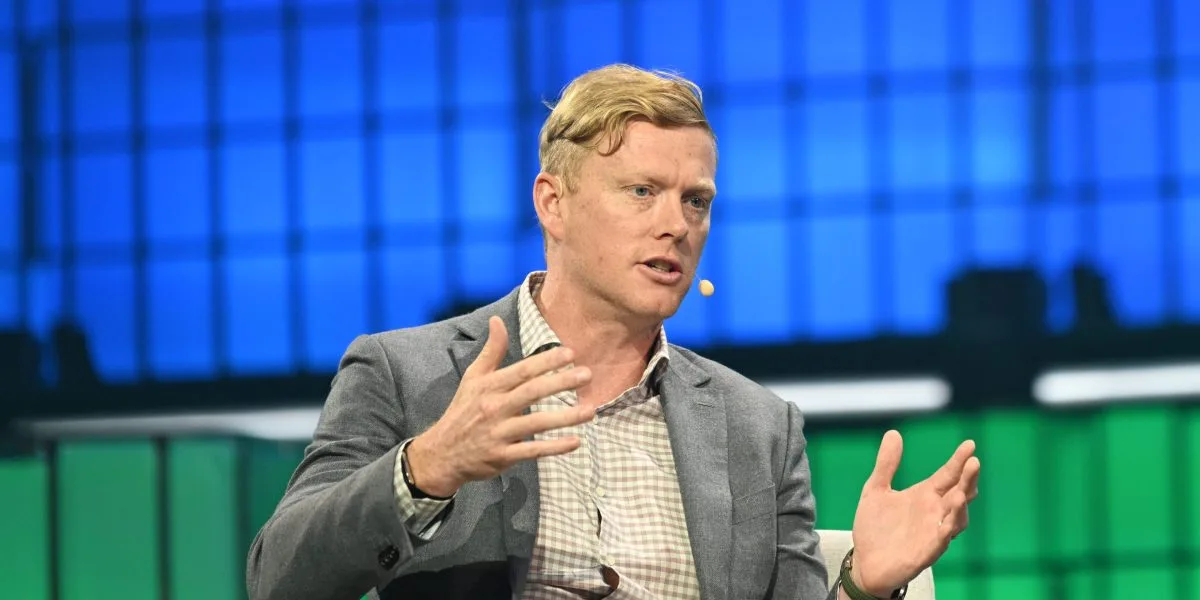
Uber used up its full 2026 budget for AI coding tools in about four months, prompting questions about the value of rapid AI spending, company executives said [1, 2, 3]. Andrew Macdonald, Uber’s president and COO, told Rapid Response on May 22 that it is difficult to connect rising AI token consumption from tools like Claude Code to actual increases in useful consumer features. "That link is not there yet. Maybe implicitly there is more that is getting shipped, but it's very hard to draw a line between one of those stats and, 'Okay now we’re actually producing 25% more useful consumer features,'" Macdonald said [1]. He added, "So if you’re not actually able to draw a direct line to how [many] useful features and functionality you’re shipping to your users, that trade becomes harder to justify" [2].
Uber CEO Dara Khosrowshahi said in an early May earnings call that about 10% of the company’s committed code comes from autonomous agents. AI tools are also used by other teams including legal and marketing. He described employees equipped with AI as "creating employees with superpowers" [1, 4, 3]. However, the company sees AI costs rising steeply following pricing model changes earlier this year by Microsoft and Anthropic. In April, both firms shifted from flat fees to token-based pricing for AI coding tools like GitHub Copilot CLI and Claude, substantially increasing costs for users [1, 2].
Uber spent $3.4 billion on research and development in 2025, a 9% increase from the prior year [4]. To contain AI expenses, Uber plans to slow hiring and consider trade-offs between AI token costs and headcount [4, 3]. Luis von Ahn, CEO of Duolingo, said his company retracted AI usage mandates because the AI "did not replace employee tasks or fit well with performance goals," noting a lack of accountability for actual outcomes with AI deployments [1, 3].
As AI budgets shrink, Uber faces pressure to balance expanding AI use with measurable returns. The company’s leaders continue internal discussions on managing rising AI spending while delivering tangible product improvements [4, 3].