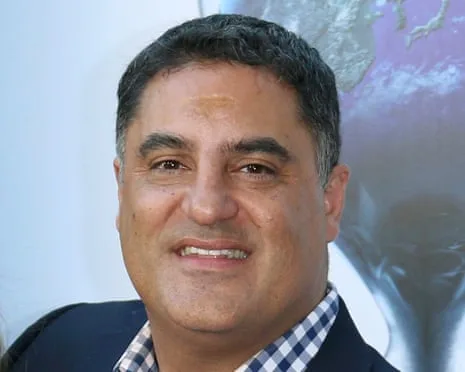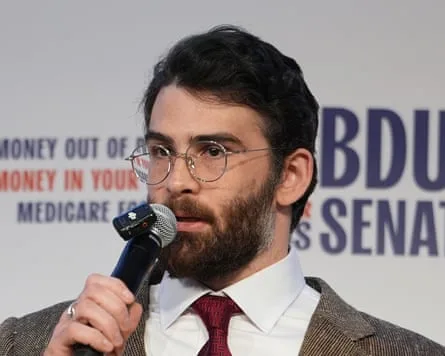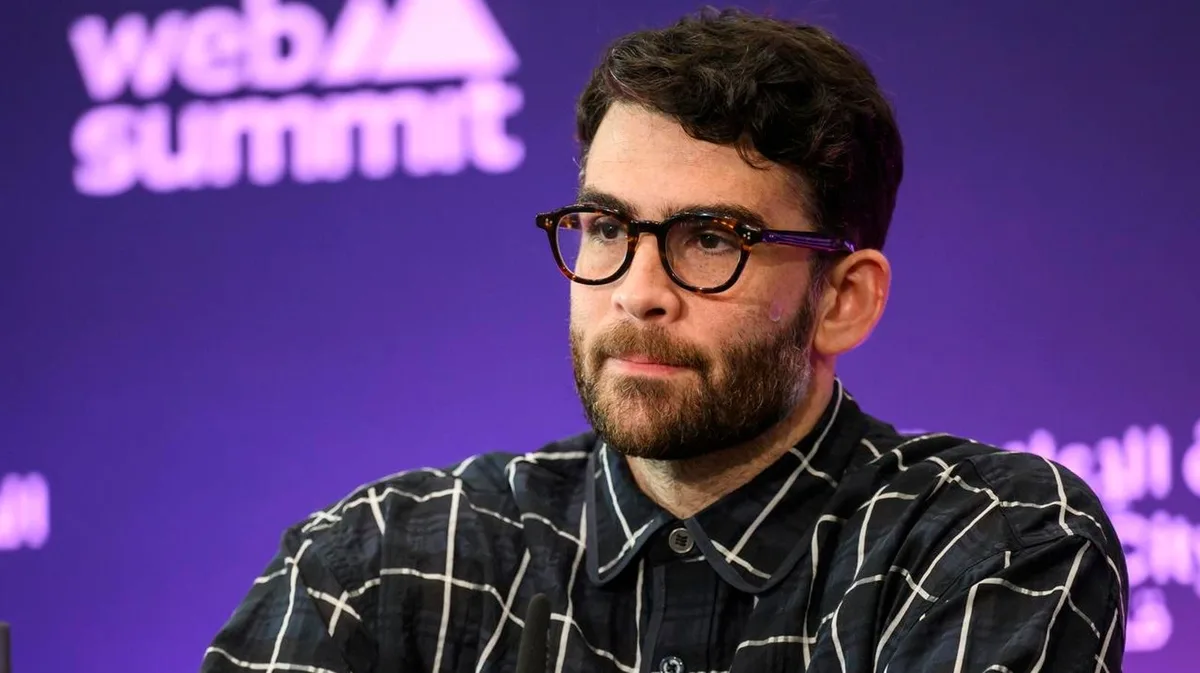
Hasan Piker, 34, and Cenk Uygur, 56, were refused entry to the UK ahead of scheduled appearances at SXSW London and the Oxford Union debating society due to the Home Office deciding their presence was "not conducive to the public good" [1, 2]. The Home Office did not specify further reasons for the ban but cited concerns related to public safety and order [1, 2].
Piker, a political commentator with 3 million Twitch followers, and Uygur, host of the Young Turks podcast with 6 million YouTube subscribers, have both faced criticism for controversial remarks about Israel, including accusations of antisemitism [1, 2]. Piker previously said America "deserved 9/11"—a comment for which he apologized—and expressed willingness to vote for Hamas over Israel [1, 2]. Uygur denies being antisemitic despite accusations of propagating antisemitic tropes [1, 2].
The ban followed lobbying by some UK politicians and Jewish groups who raised concerns over Piker’s comments [2]. Piker accused the UK government of acting "at the behest of Israel" and claimed the country had "betrayed liberal values," calling the foreign government "genocidal fascist" [2]. Uygur said he was banned "for criticizing Israel while criticizing the oppression of Western citizens by our own governments on behalf of a different country" [2].
The Oxford Union, whose scheduled event with the commentators was set for June 6, said it would proceed with the discussion via remote livestream. Oxford Union president Arwa Elrayess stated, "Free speech does not require a visa" and criticized the revocation of travel authorisations as a silencing of debate rather than an engagement with ideas [1]. SXSW London canceled Piker and Uygur’s appearances following the Home Office decision [1].
The debate at Oxford Union went ahead on June 6 as a virtual event [1]. The official timeline began June 1 with the blocking announcement, followed by reports on June 3 about the relocation to remote format, and the event itself on June 6 [1, 2].
The Home Office’s wording about the ban varies slightly by source, with some saying the presence was "not conducive to the public good" and others adding "may not be conducive" [1, 2]. However, explicit details linking the ban to the commentators’ stances on Israel have not been officially confirmed by authorities.