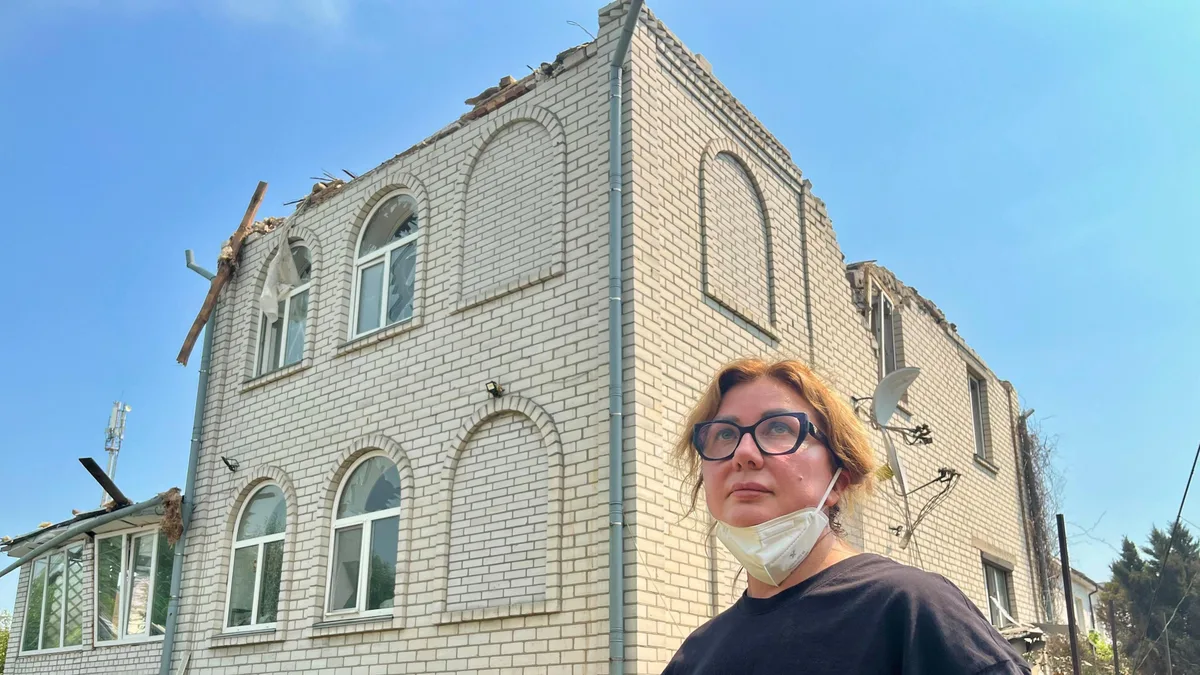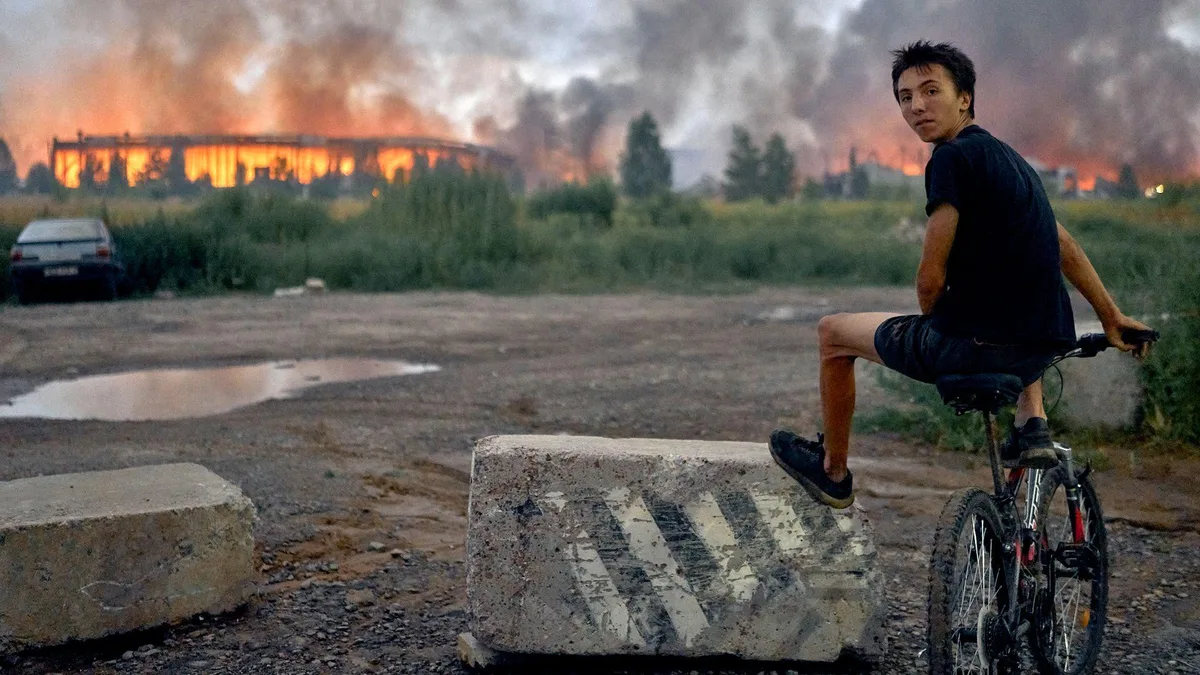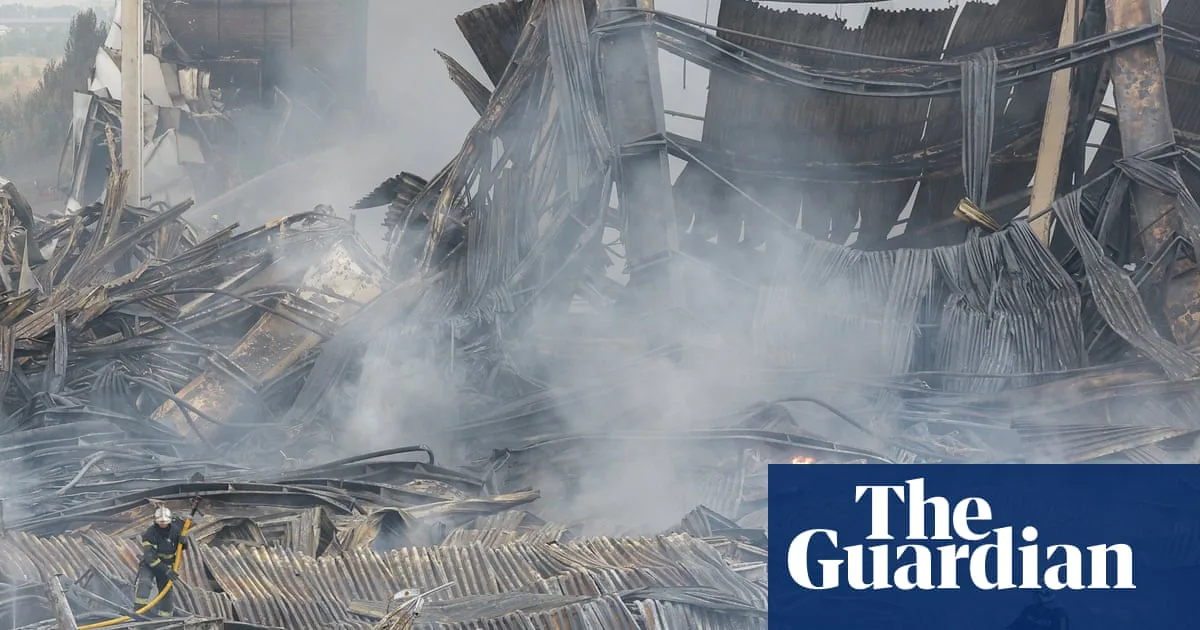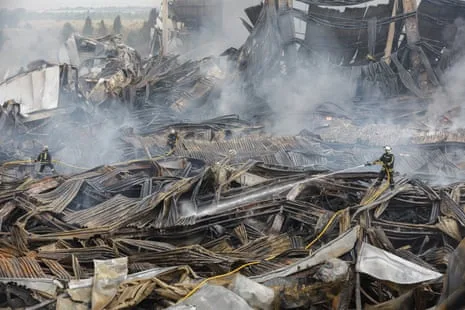
Russia launched 24 ballistic missiles and roughly 115 drones overnight August 5-6 against Kyiv and nearby targets, killing 17 to 21 people and injuring dozens [1, 2, 3]. Ukrainian air defenses shot down most of the drones but failed to intercept any ballistic missiles during the barrage [1, 2, 3]. The missile strikes destroyed warehouses, logistics facilities, and a postal sorting center while damaging residential buildings near Kyiv [1].
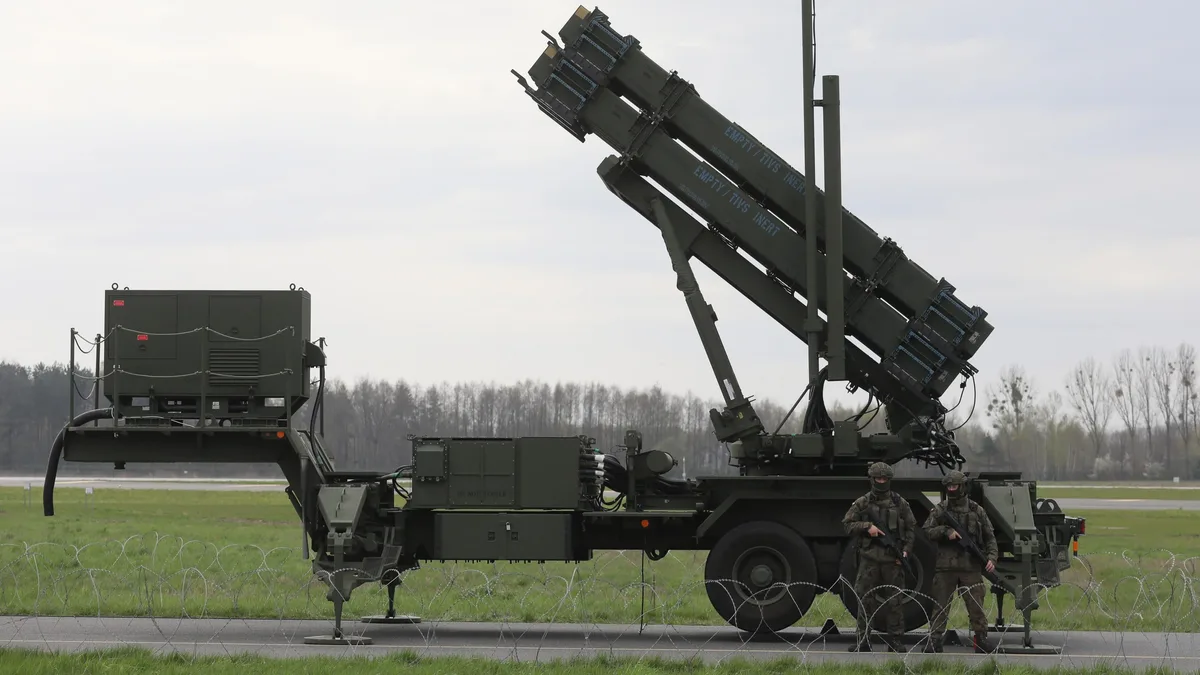
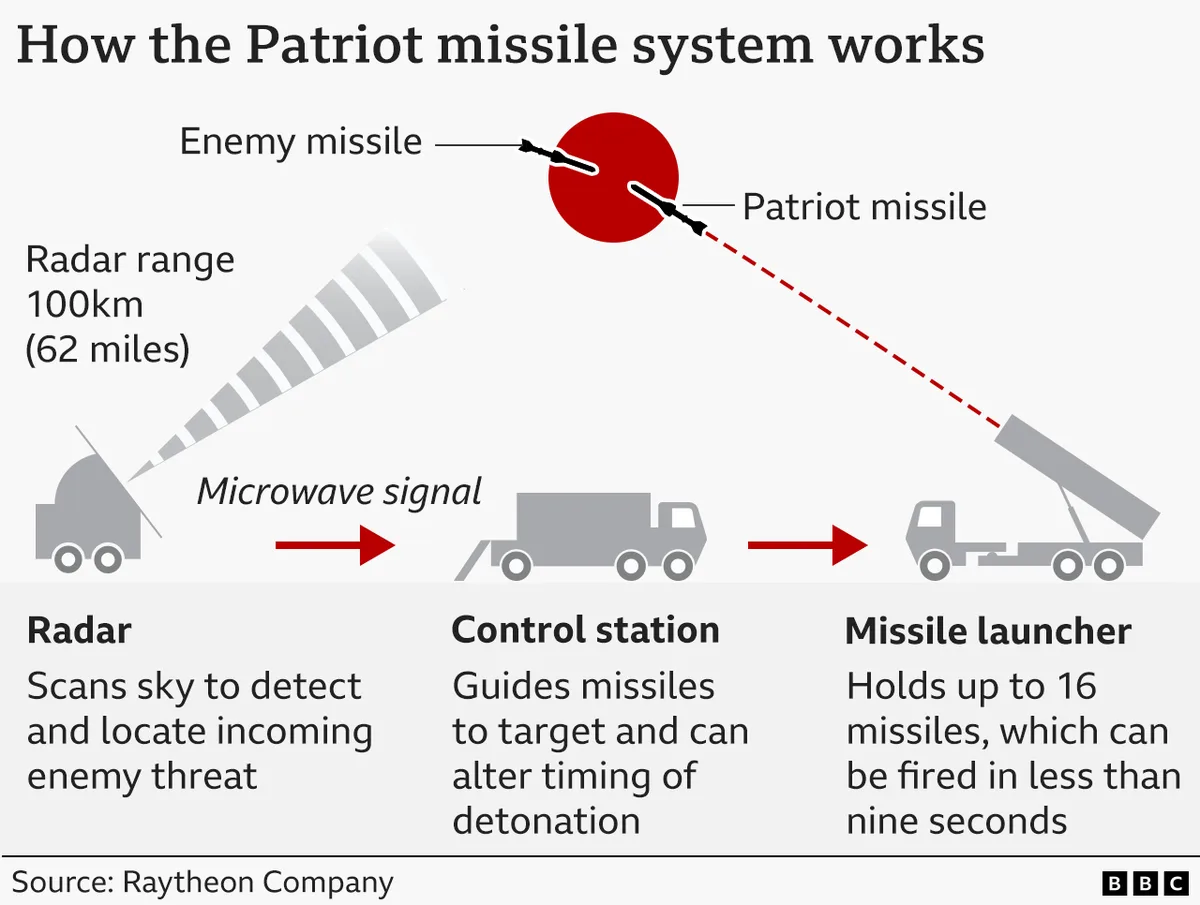
Ukraine faces a critical shortage of US-made Patriot interceptor missiles. Its supply of Western interceptors in the first half of 2026 fell to one-third of 2025 levels, leaving the country increasingly vulnerable to ballistic missile attacks [1, 2, 4, 3]. President Volodymyr Zelenskyy said, "Unfortunately, supplies of anti-ballistic capabilities from partners have decreased significantly this year. The number of air defense missiles supplied has dropped threefold compared with 2025" [3]. He called for cutting through bureaucratic delays, emphasizing that "every day, people’s lives here in Ukraine depend on the resolve of our partners in Europe and the United States" [2].
Russia is producing an estimated 70 to 100 ballistic missiles monthly, including Iskander-M and S-400 types, to sustain its bombardment campaign targeting logistics hubs, industrial sites, and energy infrastructure [2, 4]. Serhii Beskrestnov noted, "The war of attrition has entered its next phase. Russia is capable of launching 100 ballistic missiles every month to attack logistic hubs, industrial facilities, food stores and warehouses" [2].
The shortage of interceptors has been exacerbated by US use of Patriot missiles in its 2026 conflict with Iran, reducing stockpiles available for Ukraine [1, 4]. NATO is responding urgently by working to provide more air defense systems and interceptor missiles to Ukraine amid escalating attacks [2].
The August 5-6 missile barrage marks the latest in a sustained surge of Russian strikes. In July alone, Russia launched more than 120 missile attacks, including an estimated 126 ballistic missiles and thousands of Shahed drones [4].
Efforts to replenish Ukraine’s missile defenses will be critical in the coming weeks as Moscow’s missile production continues at a high pace, threatening vital civilian and military infrastructure across Ukraine.