The average US 30-year fixed mortgage rate reached 6.71% in early September 2026, matching its highest level since July 2025, according to Freddie Mac data reported by multiple sources [1, 2, 3, 4, 5, 6, 7, 8]. This marks an increase from about 6.66% a week earlier and 6.5% one year ago [1, 9, 8]. The rise follows a recent peak in the US 10-year Treasury yield, which hit 4.82%, the highest since October 2023, before slightly retreating [1, 2, 3, 4, 5, 6, 7].
Economists link the surge to a global bond market selloff fueled by concerns about US debt levels, inflation risks, and geopolitical tensions, especially the ongoing US-Iran conflict. Energy price increases and the US national debt crossing $40 trillion have added to market uncertainty, pushing bond yields and mortgage rates higher [2, 3, 4, 5, 6, 7]. Chen Zhao, a Redfin economist, said, "The February outbreak of the US-Iran war disrupted the trend of falling mortgage rates, and oil price surges sparked renewed inflation concerns. Redfin expects mortgage rates to remain between 6% and nearly 7% through the end of 2026" [2].
The Mortgage Bankers Association (MBA) reported a slightly higher weekly average rate of 6.79% for conforming 30-year fixed loans as of September 2 [9]. Mike Fratantoni, MBA’s chief economist, noted, "Mortgage rates reached their highest levels in four weeks as investors' concerns about inflation and growing deficits push yields higher across the globe" [9].
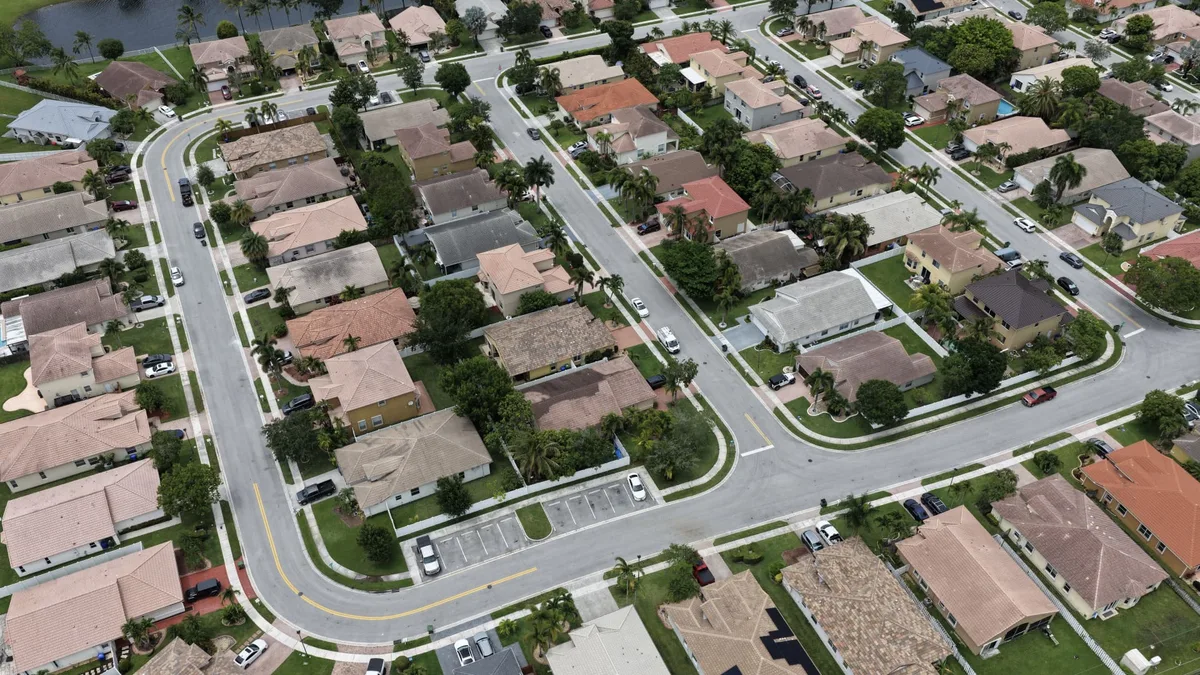
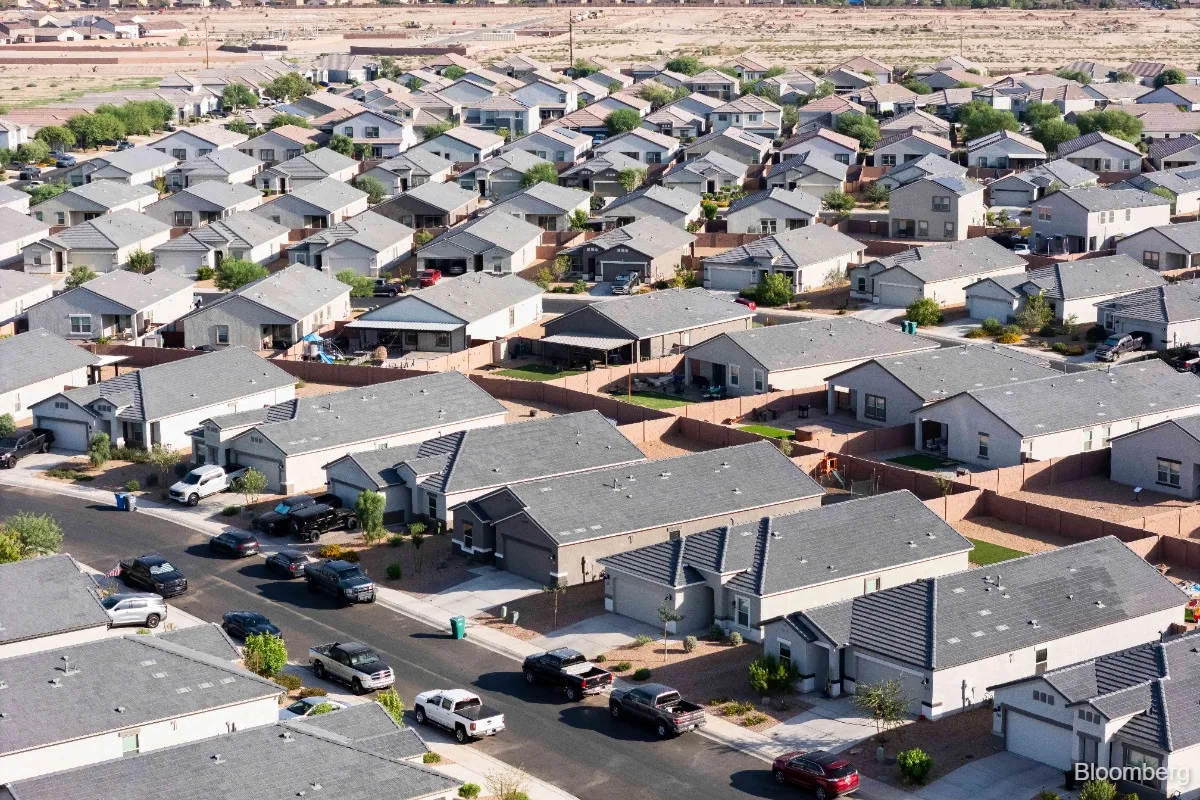
Higher rates are weighing on the US housing market. Pending home sales in July and August fell to their lowest level of the year, signaling softening demand [2, 3, 4, 5, 6, 7]. Jake Krimmel, senior economist at Realtor.com, said, "It looks like August was the month where higher mortgage rates really caught up to housing demand" [1]. More borrowers are turning to adjustable-rate mortgages (ARMs), which currently make up about 8% of mortgage applications, as fixed rates rise [9]. Meanwhile, refinance applications have dropped sharply since few find incentives to refinance at these high rates [9].
Federal Reserve Governor Christopher Waller cautioned on the broader economic impact, saying, "If the housing market gets into trouble and new cars become luxuries rather than everyday purchases for middle-class families, that cannot be seen as eased financial conditions" [8].
The next key data point will be the release of pending home sales and mortgage application trends later this month, which will provide further clarity on housing market resilience amid these elevated borrowing costs.