The yield on the US 30-year Treasury bond rose to nearly 5.24%, marking its highest level since 2007, driven by market concerns about persistent inflation and the Federal Reserve’s cautious stance on monetary policy [1, 2].
On July 29, the Federal Reserve’s Federal Open Market Committee (FOMC) voted 9-3 to maintain the key interest rate range at 3.5% to 3.75% for the fifth straight meeting [2]. Three officials, Beth Hammack, Neel Kashkari, and Lorie Logan, dissented, voting for a 25 basis point rate increase [2].
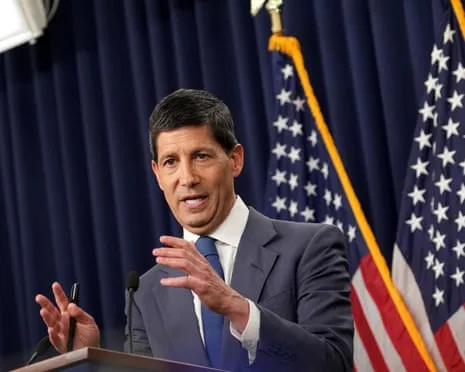
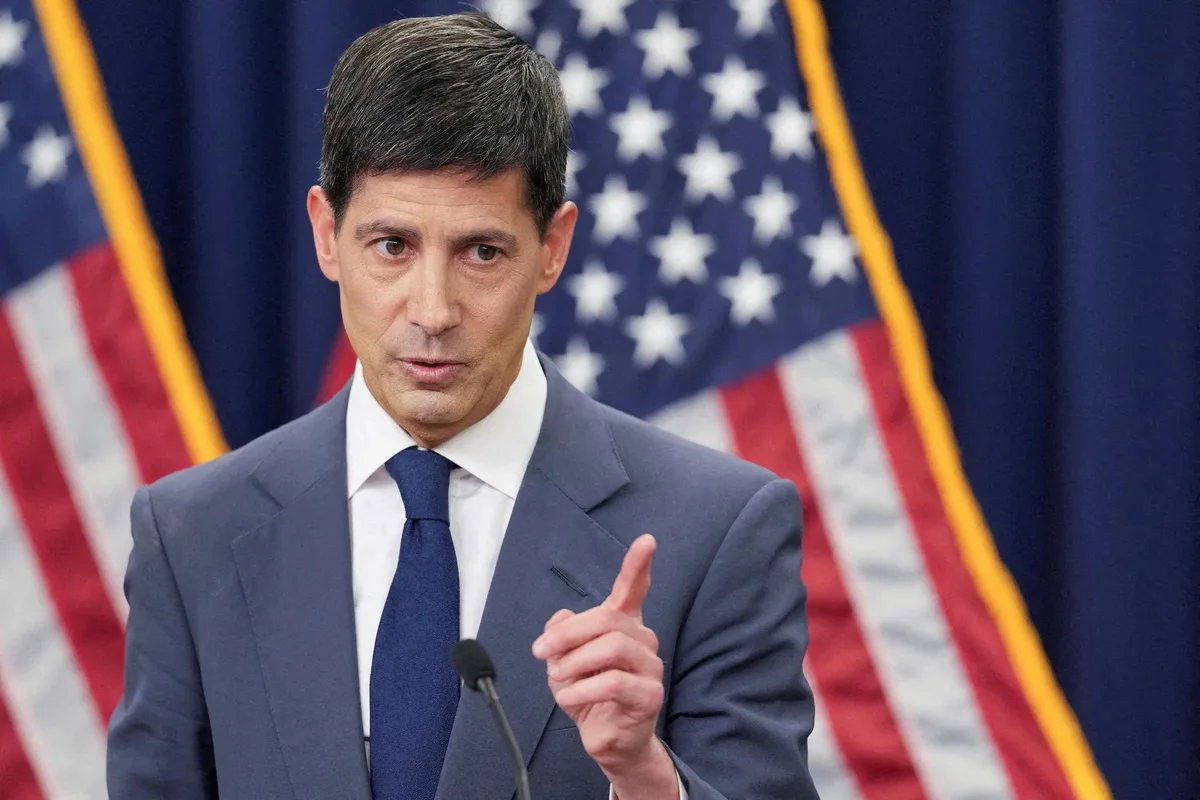
Fed chair Kevin Warsh reaffirmed the Fed’s commitment to the 2% inflation target during a post-decision press conference but did not provide clear guidance on future rate hikes, disappointing investors and analysts [1, 3, 2]. Warsh said, "There is no soft implicit target: not on this committee’s watch. There’s only a target and it’s 2%. This Fed will not waver … Our credibility rests on performing our duties and delivering on our responsibilities" [1].
However, market participants expressed frustration with Warsh’s communication. Michael Feroli of JPMorgan said, "He once again failed to specify how he intended to achieve his stridently asserted inflation resolve. We believe this will add some urgency for the rest of the committee to act on its mandate" [3]. Stephanie Roth of Wolfe Research added, "His communications style appears to be backfiring and the market is calling his bluff" [3].
The yield increase also reflected expectations that inflation will remain elevated longer than the Fed projects. Tim Waterer of KCM Trade Global noted, "The rise of the 30-Year yield to its highest since 2007 reflects the market expectation that inflation will remain high for longer than the Fed expects" [2]. Long-term yields, including the 10-year bonds, rose significantly, widening the spread against short-term (2-year) Treasuries [2].
In June, inflation cooled to 3.5% amid a brief US-Iran ceasefire, but renewed tensions pushed oil prices up, complicating the inflation outlook [1]. The cautious Fed decision came as some officials believed higher bond yields had already raised borrowing costs, potentially easing inflation pressures without a rate hike now, while others saw a lack of Fed resolve [1, 3].
US stock markets declined after the Fed announcement. The S&P 500 dropped 1.5%, the Dow Jones fell 2.2%, and the Nasdaq lost 1.7% [1].
Following the Fed meeting, JPMorgan analysts advanced their forecast for the next rate hike from late 2027 to December 2026, reflecting growing market expectations of tighter policy later this year [3].