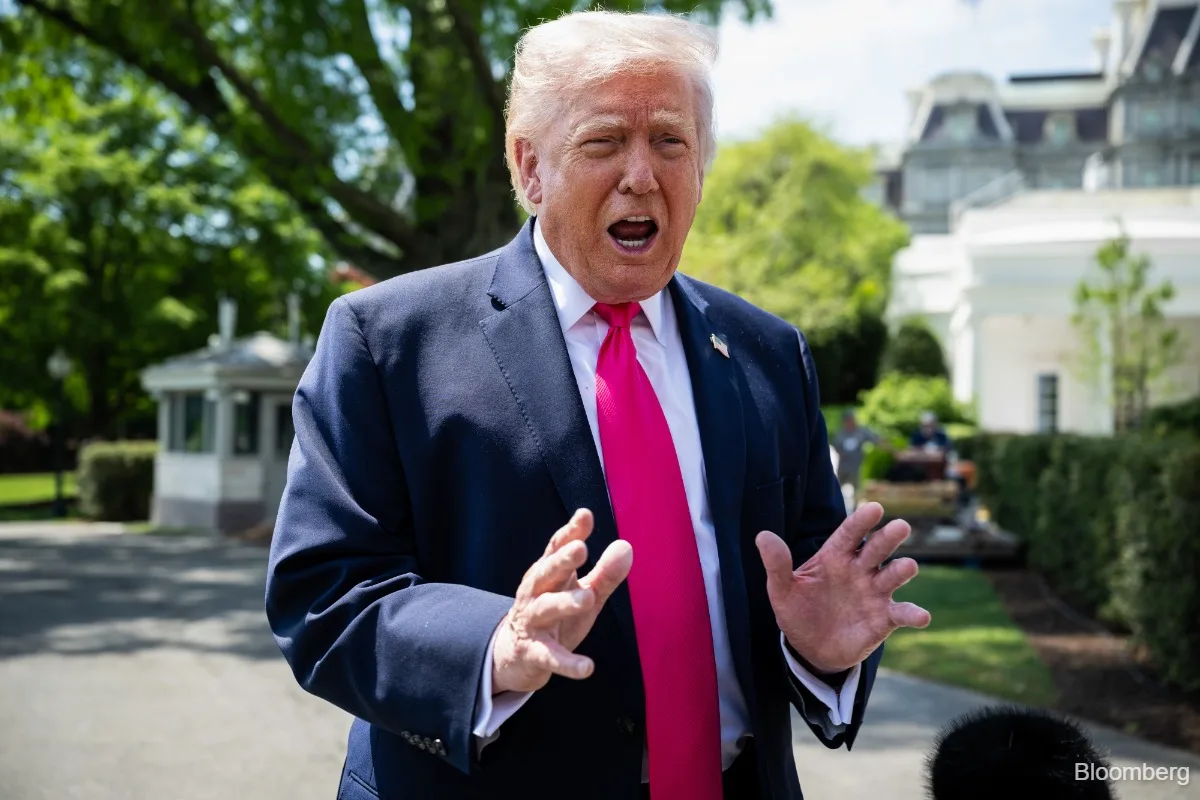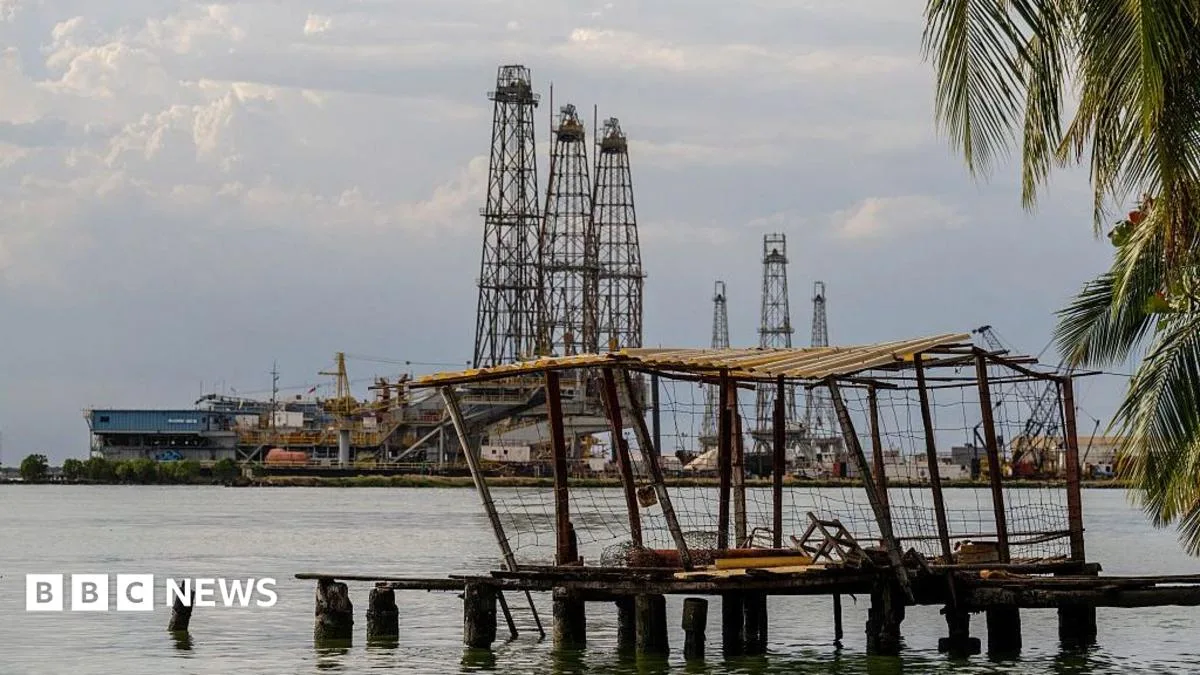
The United States and Venezuela announced a landmark oil agreement on August 28, 2026, granting the US majority control over more than 65 billion barrels of Venezuela's proven oil reserves, roughly one-fifth of the country's estimated 303 billion barrels total [1, 2, 3]. US President Donald Trump publicly revealed the deal on his Truth Social platform, calling it a historic transaction that more than doubles American oil reserves and could lower gasoline prices for consumers [1].
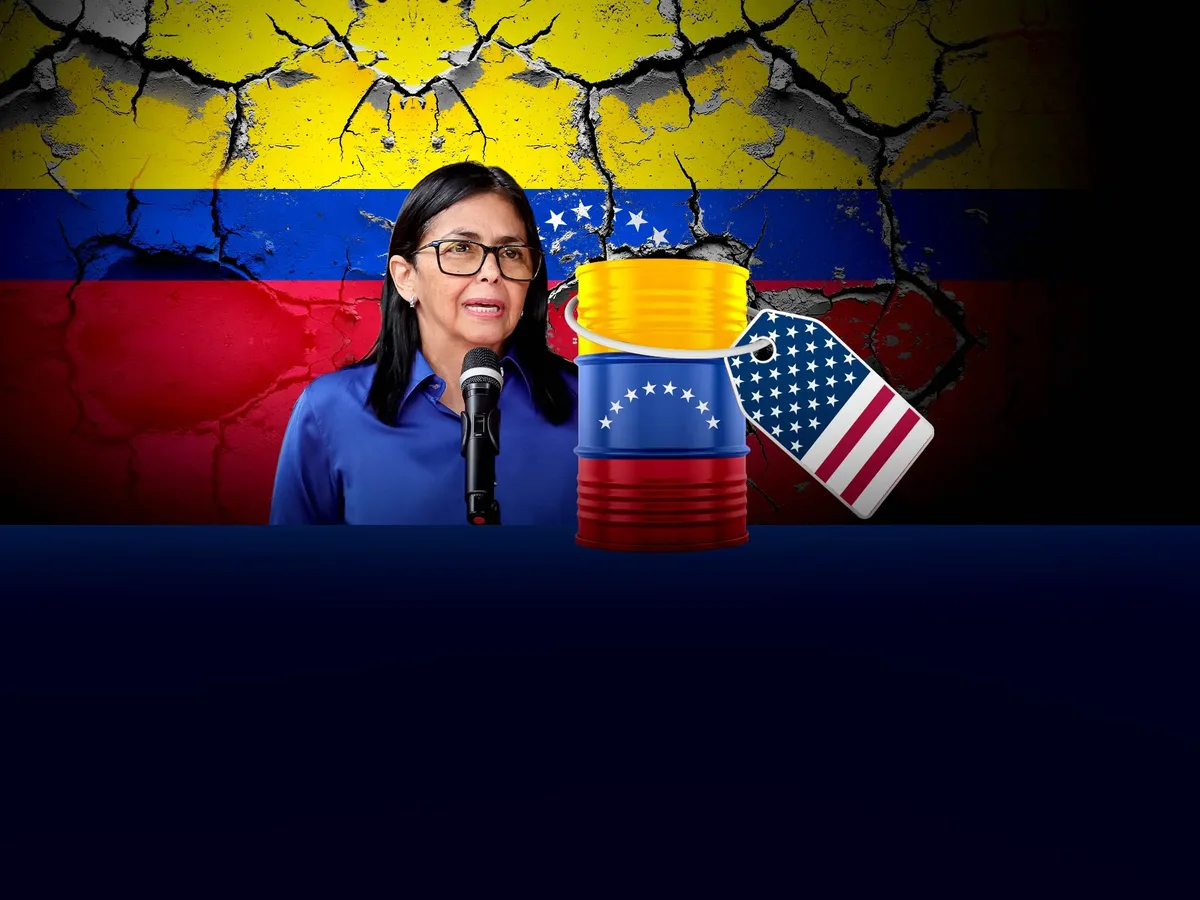
The agreement follows US forces capturing Venezuelan President Nicolás Maduro on January 3, with interim president Delcy Rodríguez assuming power. Rodríguez has supported the deal, emphasizing the need for investment, technology, and production capacity to drive Venezuela’s economic recovery [4, 2, 5, 6]. She told Venezuelan national television the agreement will have a "significant impact on the rebirth of our nation" and outlined the "endless" benefits expected from the partnership [5, 6].
The deal gives the US and private US businesses majority control and development rights to 17 strategic Venezuelan oil fields. Chevron is preparing to expand and migrate its Venezuela projects under this new framework [7, 8, 9, 10]. The arrangement may yield $100 billion in private investment and $209 billion in tax revenue for Venezuela, helping revitalize its oil production currently crippled by sanctions and mismanagement, which has fallen to 1.25 million barrels per day, well below peak levels [2, 3, 5, 9].
US officials Marco Rubio and Pete Hegseth were appointed by Trump to oversee the negotiations. Rubio called the agreement "a huge win for both the American and Venezuelan people" [2, 3]. The US plans to use Venezuelan crude to replenish its Strategic Petroleum Reserve, which depleted during the previous administration [6, 11].
However, the deal faces legal and political challenges. Venezuelan law requires the state to maintain control over core oil activities, and leasing or auctioning oil fields to US companies raises constitutional questions [7, 9]. Venezuelan opposition figures have also criticized the deal as a US land grab and questioned its legitimacy [3, 9].
The agreement’s next step includes Chevron finalizing its participation, expected imminently, to expand operations under the new energy framework [8].