The United States and Canada are close to finalizing a trade agreement aimed at reducing or eliminating tariffs on a variety of goods, including agricultural products, automobiles, steel, aluminum, lumber, and liquor, negotiators said today [1, 2, 3, 4].
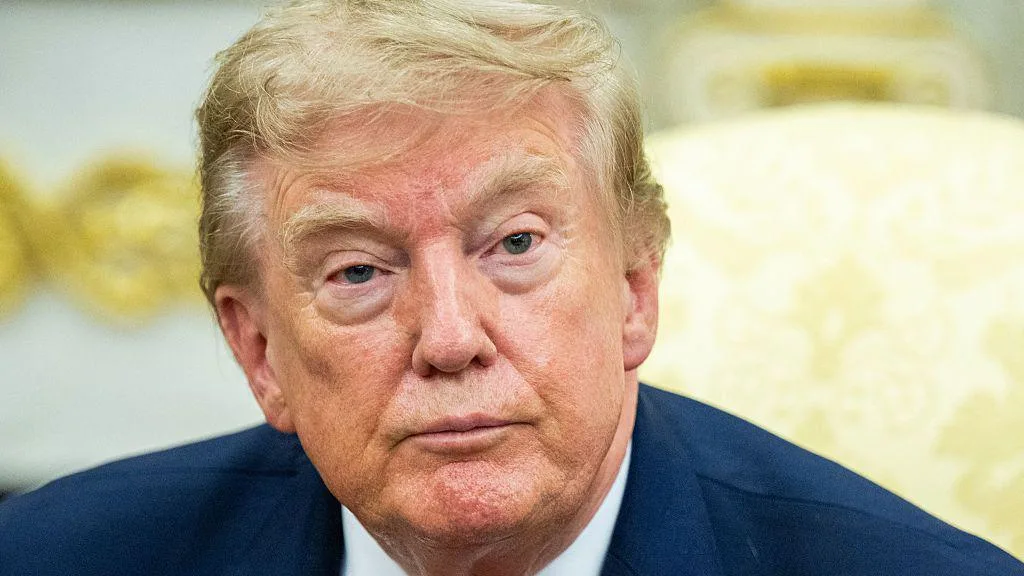
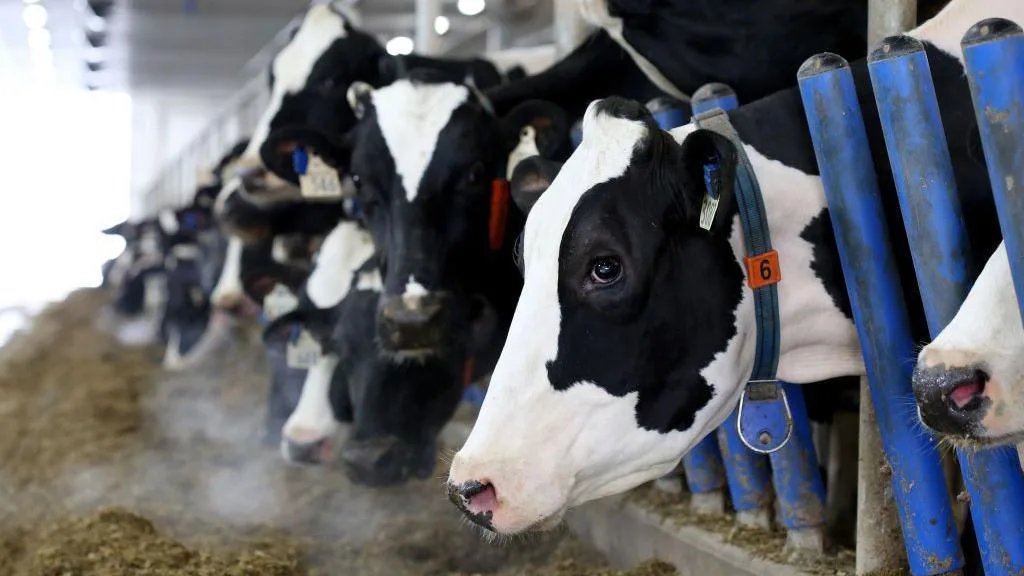
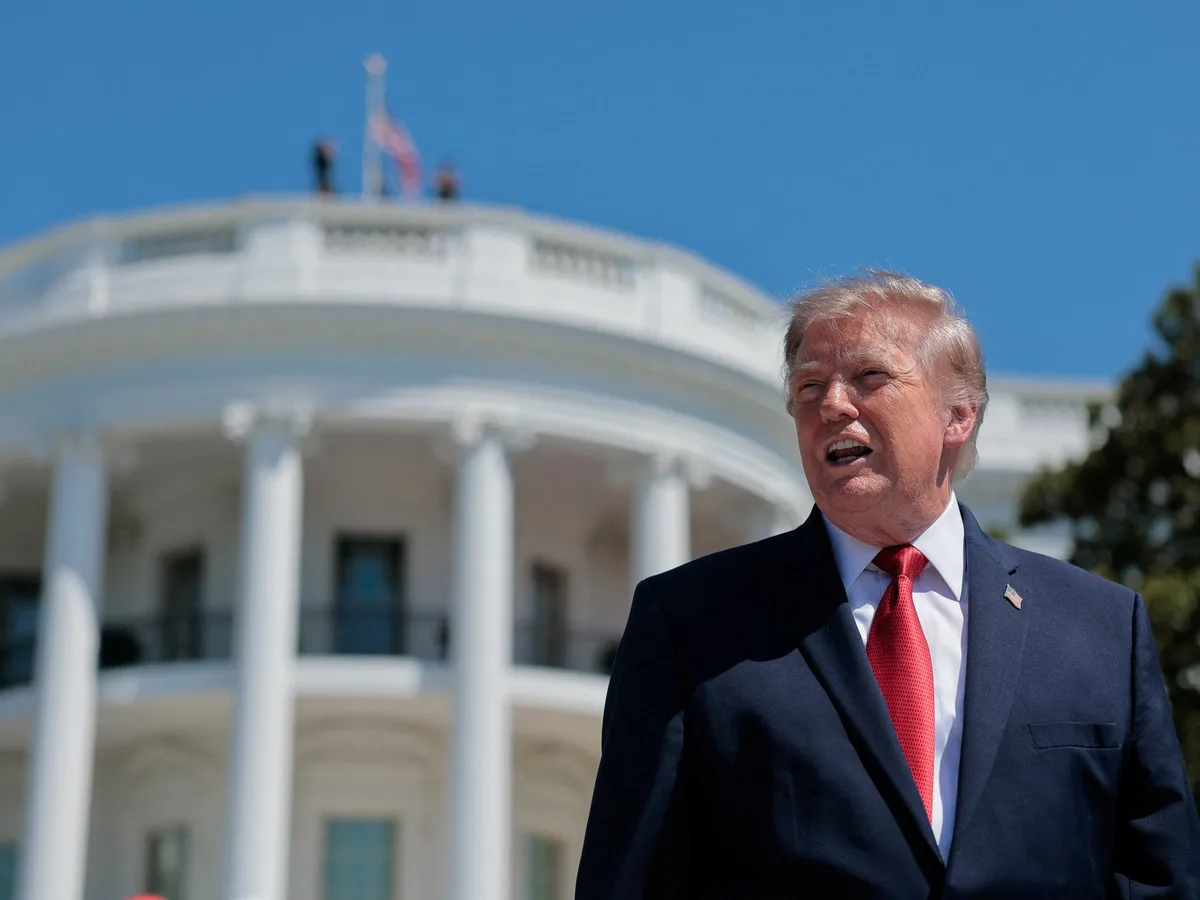
US President Donald Trump said the deal would eliminate tariffs on exports by US farmers to Canada. "We have no tariffs going into Canada. Tariffs will be non-existent for farmers," he said, adding that "our farmers were paying tremendous tariffs into Canada, and those tariffs are going to be totally eviscerated down to zero" [2, 4].
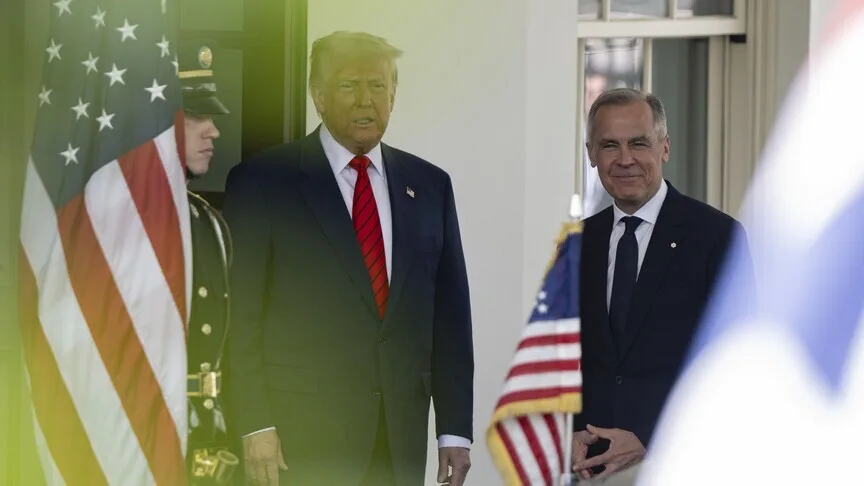
Trump paused planned 50% tariffs on roughly $20-22 billion worth of Canadian goods for a three-day period to allow finalization of the agreement after a phone call with Canadian Prime Minister Mark Carney on August 18 [2, 4]. This high-stakes pause eased tensions in the US-Canada trade relationship as negotiators pushed forward with talks [2, 4].
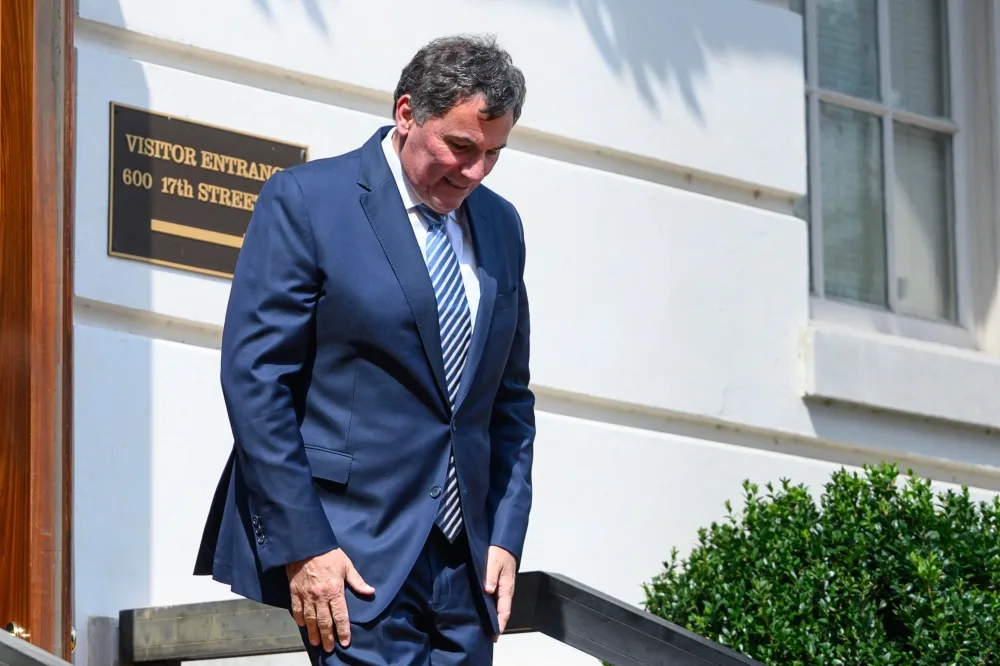
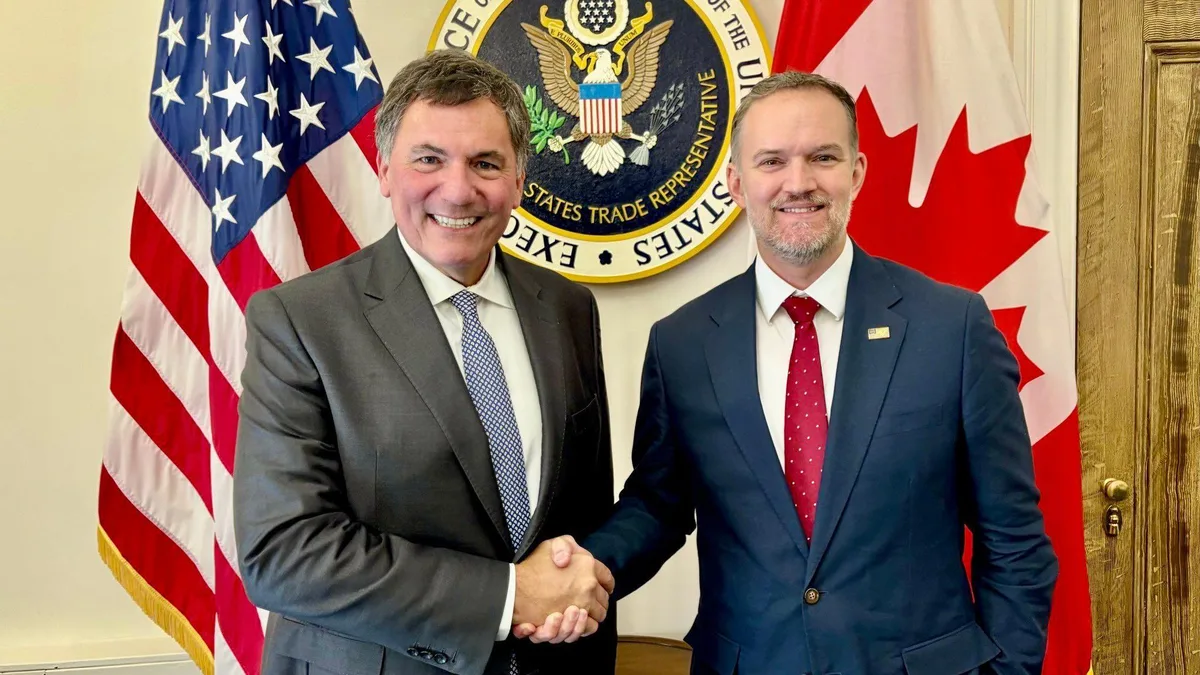
Trade officials described the deal as "very close" or "imminent." Canada's Minister of Intergovernmental Affairs Dominic LeBlanc said, "We’re very close. We continue to make progress, and we’re going to stay here and do the work that’s necessary until we get to that point" [1, 3, 4]. Prime Minister Carney and provincial leaders are involved in discussions to meet US demands, including restocking US wine and liquor that had been removed from Canadian shelves. Nova Scotia Premier Tim Houston said, "The prime minister has asked us, as premiers, as provinces, to return the US alcohol to the shelves. It’s been an irritant... that has kind of really bothered the United States" [3].
US Trade Representative Jamieson Greer expressed optimism on the deal, stating, "We feel confident that we've reached an agreement that will not only continue to protect American workers, American jobs, American supply chains, but really strengthen the North American economy" [1, 3].
Negotiations include reducing the Section 232 tariffs on Canadian vehicles from 25% to 15%, with the possibility of further reductions based on the US content in the vehicles. However, details on exact concessions and the final scope of the agreement remain unclear [2, 1, 3]. Sources differ on how significant the tariff reductions will be: some say reductions will be modest while others point to the planned drop to 15% from 25% [1, 2].
Since August 19, trade negotiators from both countries have held multiple meetings to finalize the deal. On August 21, Carney briefed provincial leaders on the key US demands still under discussion, including the liquor issue [1, 3].
The three-day tariff pause announced on August 18 is due to expire soon as negotiators continue to work toward signing the deal [2, 4].