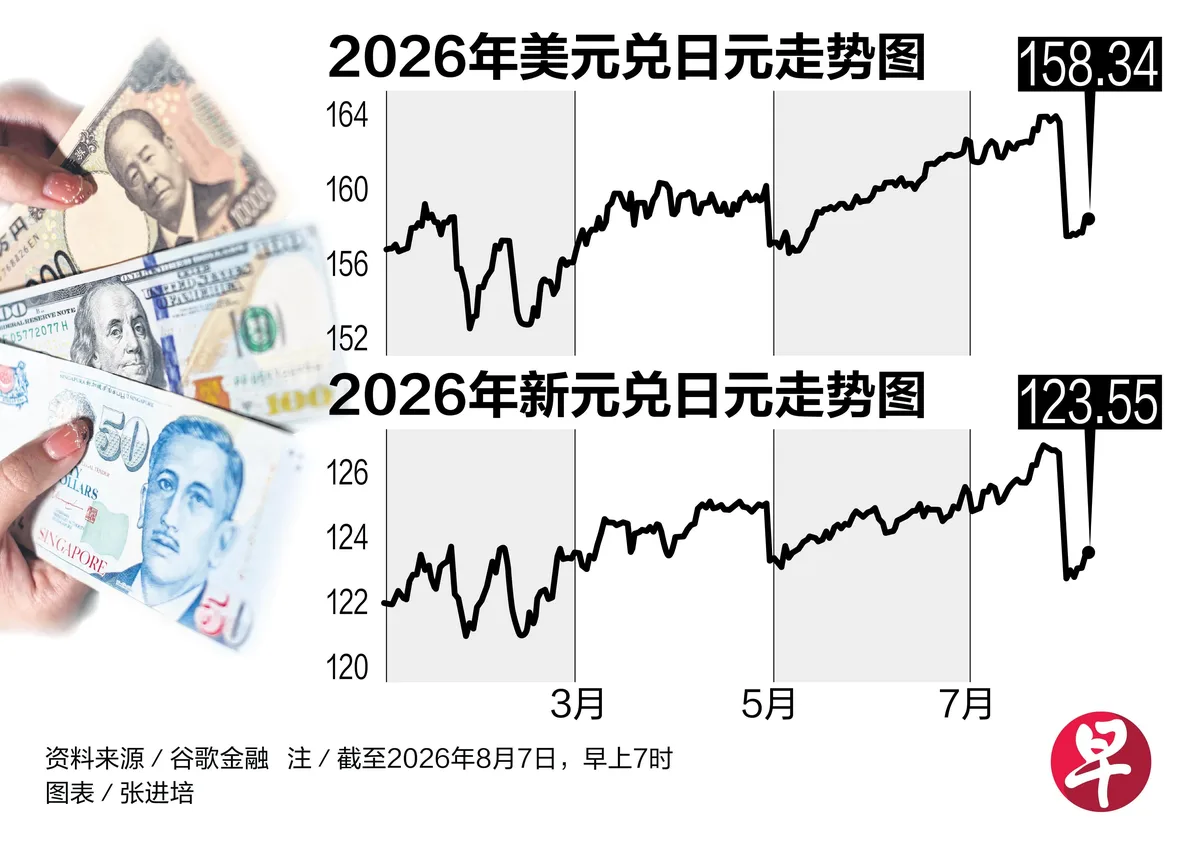
Japan and the United States carried out a coordinated intervention on July 31, 2026, to stop the yen’s collapse after it dropped close to 164 yen per US dollar, its lowest level in 40 years [1, 2, 3]. This marked the first joint forex market intervention by the two countries in 15 years, since 2011 [1, 2, 4].
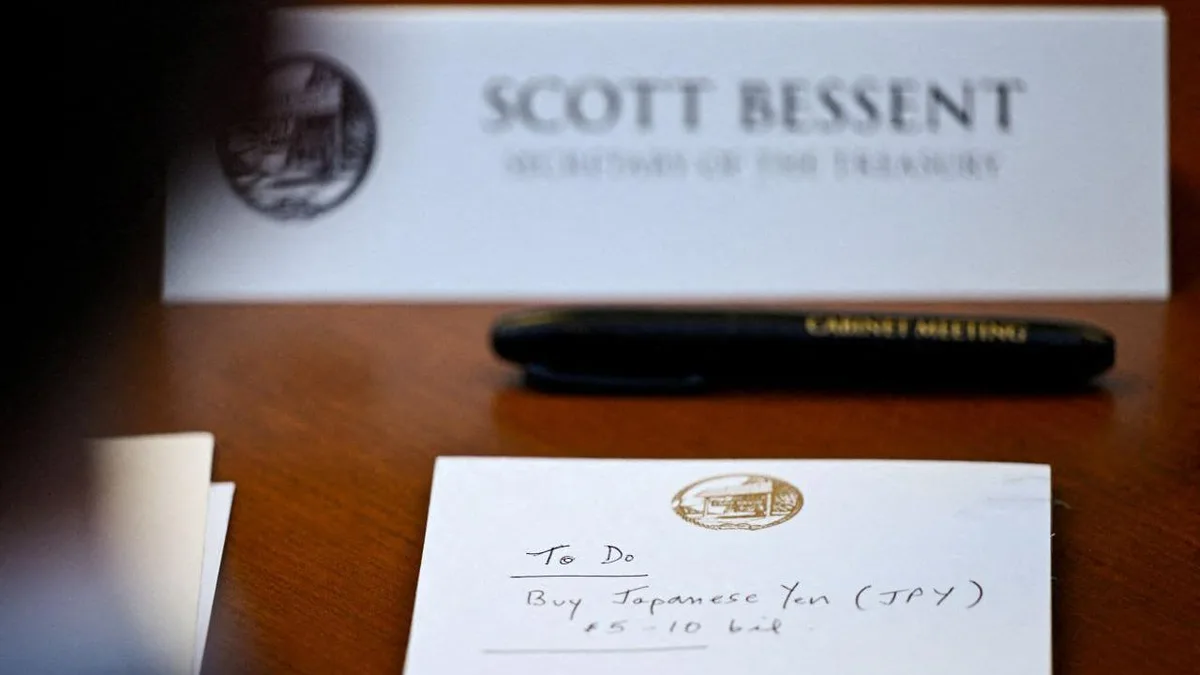
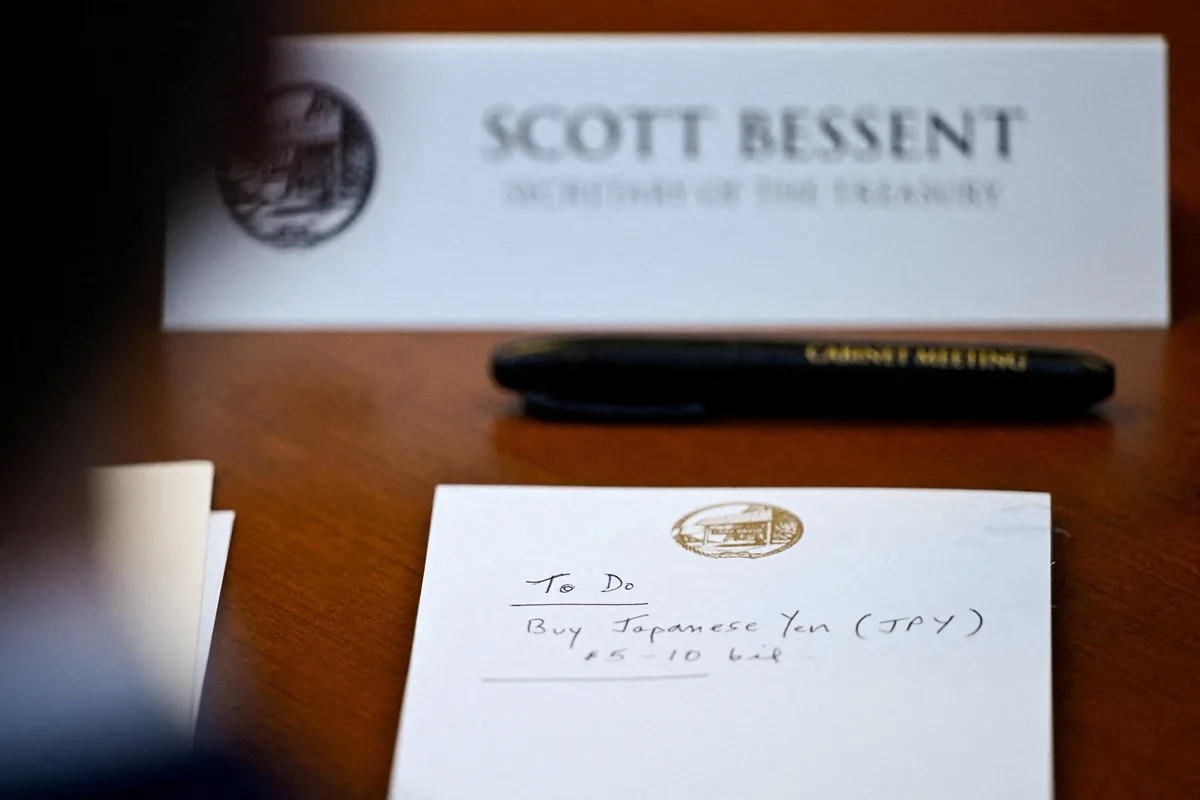
US Treasury Secretary Scott Bessent outlined plans at a cabinet meeting to purchase between 5 billion and 10 billion US dollars worth of yen as part of the effort to stabilize the currency [2, 4, 5, 6]. The yen strengthened roughly 4% following the intervention, climbing to about 157 yen per dollar by early August and reaching a three-month high of 155 yen on August 3 [1, 4, 7, 8, 6].
Japan’s Finance Minister Satsuki Katayama confirmed the joint action and said Japan ‘‘will not hesitate to take further joint interventions’’ if necessary [2, 9, 10, 5]. The intervention came after months of Japan’s own forex market activity in 2026, including selling nearly 59 billion US dollars in July, which had failed to significantly reverse the yen’s weakness until the US joined [2, 4, 8, 5].
The yen’s prolonged decline mainly reflected the gap between Japan’s low interest rates and higher rates in the US and other advanced economies, which encouraged carry trades betting against the yen [1, 5, 6]. The Bank of Japan raised its policy rate to 1% in June 2026, the highest since 1995, while the US Federal Reserve’s benchmark rate remained between 3.5% and 3.75% [1, 5].
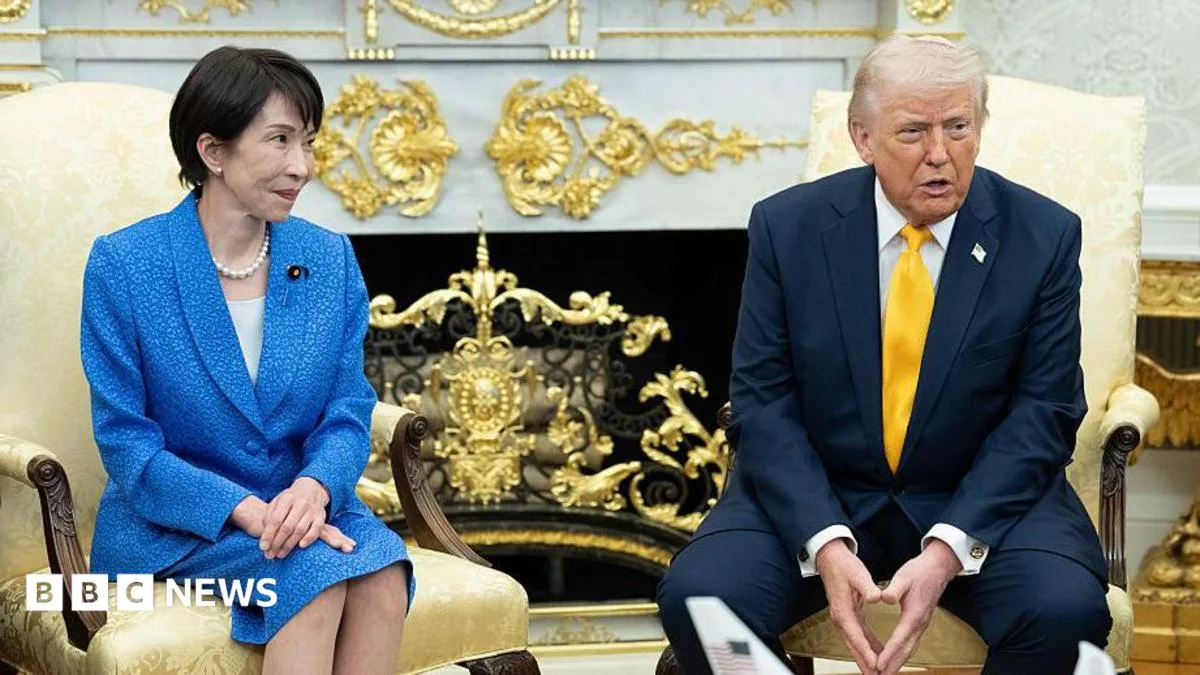
President Donald Trump said the US intervention was motivated by the friendly US-Japan relationship, noting, "They have a weakening yen, and they wanted a little bit of help. And we're always there for Japan" [1, 11, 7, 10, 12, 5, 6]. Treasury Secretary Bessent said, "We strongly support Japan's decisive market and monetary steps to correct the substantial undervaluation of the yen" and called for Japan to raise rates further to improve currency strength [1, 6]. Oxford Economics analyst Shigeto Nagai said the US joined the coordinated action because it offered significant benefits at a low cost [1, 5, 6].
The yen’s slide began before the intervention, hitting about 163 per dollar on July 21, 2026 [8]. Japan’s solo intervention on July 30, where it sold about 58.9 billion US dollars to buy yen, pushed the currency from above 163 to around 159 per dollar, setting the stage for the joint action the next day [2, 4, 8, 5].
Treasury Secretary Bessent publicly confirmed the joint intervention on August 2 and urged more Fed support for foreign central banks [7]. President Trump also publicly acknowledged US participation that day as a friendly gesture [7, 10, 12, 5, 6]. Finance Minister Katayama reaffirmed readiness for further coordinated measures on August 3 [2, 9, 10].